Turkey & The Clash Of Civilizations

Authored by Pepe Escobar via The Asia Times, (proofread by Algora)

Turkish President Erdogan’s move to make Hagia Sophia a mosque is part of his masterplan to claim leadership of global Islam…

Late afternoon in May 29, 1453, Sultan Mehmet, the third son of Murad, born of a slave-girl – probably Christian – in the harem, fluent in Turkish, Arabic, Greek, Latin, Persian and Hebrew, followed by his top ministers, his imams and his bodyguard of Janissaries, rides slowly towards the Great Church of St Sophia in Constantinople.

It’s unlikely that Sultan Mehmet would be sparing a thought for Emperor Justinian, the last of quite a breed [Emperor: 527-565]: a true Roman Emperor [on] the throne of Byzantium, a speaker of “barbarous” Greek (he was born in Macedonia) but with a Latin mind.

Much like Sultan Mehmet, Justinian was quite the geopolitician. Byzantium trade was geared towards Cathay and the Indies: silk, spices, precious stones. Yet Persia controlled all the caravan routes on the Ancient Silk Road. The sea route was also a problem; all cargo had to depart from the Persian Gulf.

So Justinian had to bypass Persia.

He came up with a two-pronged strategy: a new northern route via Crimea and the Caucasus, and a new southern route via the Red Sea, bypassing the Persian Gulf.

The first was a relative success; the second a mess. But Justinian finally got his break when a bunch of Orthodox monks offered him to bring back from Asia some precious few silkworm eggs. Soon there were factories not only in Constantinople but in Antioch, Tyre and Beirut. The imperial silk industry – a state monopoly, of course – was up and running.

A fantastic mosaic in Ravenna from the year 546 depicts a Justinian much younger than 64, his age at the time. He was a prodigy of energy – and embellished Constantinople non-stop. The apex was the Church of St. Sophia – the largest building in the world for centuries.

So here we have Sultan Mehmet silently proceeding with his slow ride all the way to the central bronze doors of St Sophia.

He dismounts and picks up a handful of dust and in a gesture of humility, sprinkles it over his turban.

Then he enters the Great Church. He walks towards the altar.

A barely perceptible command leads his top imam to escalate the pulpit and proclaim in the name of Allah, the All Merciful and Compassionate, there is no God but God and Muhammad is his Prophet.

The Sultan then touches the ground with his turbaned head – in a silent prayer. St Sophia was now a mosque.

Sultan Mehmet leaves the mosque and crosses the square to the old Palace of the Emperors, in ruins, founded by Constantine the Great [AD 306 – 337] eleven and half centuries before. He slowly wanders the ancient halls, his fine velvet slippers brushing the dust from the fabulous pebbled floor mosaics.

Then he murmurs two verses of a Persian poet:

“As the spider weaves the curtain over the palace of the Roman Caesars

The owl sings the time of the house of Afrasiab”

The Byzantine empire, founded by Constantine the Great on Monday, May 11, 330, was over on a Tuesday, May 29, 1453.

Sultan Mehmet is now the Lord of Constantinople and the Lord of the Ottoman Empire. He’s only 21 years old.

Back to the Magic Mountain

Last week, Turkish President Recep Tayyip Erdogan re-christened Hagia Sophia from a museum back into a mosque. He may have done it because his popularity is waning; his proxy wars are a disaster; his AKP party is shattered; and the economy is bleeding badly.

But what’s striking is that right at the beginning of his official televised speech, Erdogan quoted exactly the same verses by the Persian poet murmured by Sultan Mehmet in that fateful afternoon in 1453.

Erdogan’s latest move – which is part of his perennial master plan to claim leadership of global Islam over the decrepit House of Saud – was widely interpreted in myriad latitudes as yet another instance of clash of civilizations: not only Orthodox Christianity vs. Islam but once again East vs. West.

That reminded me of another East vs. West recent derivation: a revival of the Settembrini vs. Naphta debate in Thomas Mann’s The Magic Mountain, promoted by a Dutch think tank, the Nexus Institute, which aims to “keep the spirit of European humanism alive”. The debate pitted Aleksander Dugin against Bernard-Henri Levy (widely known in France as BHL). The full transcript of the debate is here.

Dugin is a leading Eurasianist and the conceptualizer of the – largely banned in the West – Fourth Political Theory. As a philosopher and political theorist, Dugin is cartoonishly demonized across the West as “Putin’s brain”, a closet fascist and “the most dangerous philosopher in the world”.

BHL, hailed as “one of the West’s leading intellectuals”, is a vain poseur who emerged as a “nouveau philosophe” in the mid-1970s and ritually regurgitates the usual Atlanticist mantras enveloped in flowery quotes. He managed, among other feats, to write a book about Pakistan without knowing anything whatsoever about Pakistan, as I trashed it on Asia Times back in 2002.

Here are a few interesting talking points throughout the debate.

Dugin stresses the end of Western hegemony and global liberalism. He asks BHL, directly, how, “interestingly, in your book, you define the American empire or the global liberal system as a system of nihilism, [an assertion] based on nothing.” Dugin does define himself as a nihilist “in the sense that I refuse the universality of modern Western values (…) I just challenge that the only way to interpret democracy is [in fact] as [a cover for] the rule of minorities against the majority, that the only way to interpret freedom is as individual freedom, and that the only way to interpret human rights is by projecting a modern, Western, individualistic version of what it means to be human on other cultures.”

BHL, [who] seems not to have read his own, dreary, book (this is something Dugin told me in person last year in Beirut, after the debate) prefers to resort to proverbial, infantile Putin bashing, picked up over and over again, stressing “there is a bad, dark wind of nihilism (blowing throw Russia, which] in its proper sense, […] is […] Nazi and […] fascist […].”

Later on in the debate, BHL adds, “I really believe that there is a link between, on the one side, your and Huntington’s way of thinking; and, on the other side, the occupation of Crimea, the 30,000 deaths in Ukraine and the war in Syria with its bloodbath, tragic and horrible.”

On racism, Dugin is adamant: he does not defend it. For him, “Racism is an Anglo-Saxon liberal construction based on a hierarchy between peoples. I think this is criminal.” Then he defines “a new Manichean division, a new racism. Those who are in favor of Western values, they are good. Everybody who challenges that, in the Islamic tradition, in the Russian tradition, in the Chinese tradition, in the Indian tradition, everywhere, they are populists, and they are classified as fascis[ts]. I think that is a new kind of racism.”

BHL prefers to concentrate on “the civilization of human rights, freedom, individual dignity, and so on. This deserves to be universalized. This should be conceived, except if you are a racist, as profitable for the entire humanity.” And then it’s Anti-Semitism all over again: “All the men who you quoted and from whom you draw your inspiration – Spengler, Heidegger, who is also a great philosopher of course, and others – are contaminated, corrupted, infected by this plague which is antisemitism. And alas – you too.”

In Paris circles, the joke is that the only thing BHL cares about is the promotion of BHL. And everyone who does not agree with one of the “leading Western intellectuals” is Anti-Semitic.

BHL insists he’s interested in building bridges. But it’s Dugin who frames the real heart of the matter: “When we try to build bridges too early, without knowing the structure of the Other – the problem is [our failure to understand] the Other. The West doesn’t understand the Other as something positive. [The West acts as if we are] all the same, and they immediately try to find bridges – [but such bridges] are illusions, and not bridges, because [they] are projecting [them]selves [on to the other]. [As if] the Other is the same, the ideology of the same. We first need to understand otherness.”

BHL totally ignores Levi-Strauss. It’s Dugin who refers to Levi-Strauss when talking about The Other, describing him as one of his teachers:

“This anthropological pluralism, I agree, is precisely the American and French tradition. But it is not reflected in politics, or it is reflected in a very perverted way. So I think there is a big contradiction between this anthropological thought in American universities and French universities, and a kind of very aggressive colonial neo-imperialist form to promote American interests on the world scale with weapons.”

BHL is left with – what else – Putin demonization: “The real imperialis[t], the real one who is interfering and sowing disorder and interfering in the affairs of others, alas, is Putin. And I need not speak of America, where it is now proved that there has been a huge, crude, and evident Russian intervention in the electoral process of the last election.” [-] BHL, who does not even qualify as a neophyte in geopolitics, is oblivious to the absolute debunking of Russiagate.

BHL is adamant “there is today a real clash of civilizations. But not the one you [Dugin] mention in your books, between the north and the east and the west and the south and all of that; there is a clash of civilizations all over the planet between those who believe in human rights, in liberty, in the right for a body not to be tortured and martyred, and those who are happy with illiberalism and the revival of authoritarianism and slavery.”

Dugin’s challenge for years has been to try to conceptualize what may come next, after the failure of Marxism, fascism and liberal democracy. As much as he thinks Eurasian, he’s inclusive – incorporating “Euro” with “Asia”. BHL for his part simplistically reduces every “evil” to “illiberalism”, where Russia, China, Iran and Turkey – no nuances – are thrown in the same dustbin alongside the vacuous and actually murderous House of Saud.

Mao returns

Now let’s attempt a light-hearted ending to our mini-triptych on the clash of civilizations. Inevitably, that has to do with the ongoing US-China Hybrid War.

Around two years ago, the following dialogue was a smash hit on Chinese Weibo. The Great Helmsman Mao Zedong – or his ghost – was back in town, and he wanted to know about everything that was goin’ on.

Mao: “Can the people eat their fill?”

Answer: “There’s so much to eat, they’re dieting.”

Mao: “Are there still any capitalists?”

Answer: “They’re all doing business overseas now!”

Mao: “Do we produce more steel than England?”

Answer: “Tangshan alone produces more than America.”

Mao: “Did we beat social imperialism (as in the former USSR)?”

Answer: “They dissolved it themselves!”

Mao: “Did we smash imperialism?”

Answer: “We’re the imperialists now!”

Mao: “And what about my Cultural Revolution?”

Answer: “It’s in America now!”

Call it a – revisionist? – realpolitik version of the clash of civilizations.

America’s Frauds: Einstein, Bell & Edison, Coca-Cola and the Wright Brothers

By Larry Romanoff • Moon of Shanghaivia Unz.com

There are only two nations in the world whose existence seems to be founded primarily on historical myths. In the US, false historical mythology permeates every nook and cranny of the American psyche, the result of more than 100 years of astonishing and unconscionable programming and propaganda, a massive crime against an entire population. This condition pertains not only to past events we think of as history, but to the extent that most items permitting Americans to “feel good by being an American” are fabricated Disney fairytales. This essay is a brief introduction to only a minor aspect of this subject.

In the introduction to my series of books (soon to be published) I wrote that “Perhaps 90%, or even 95%, of everything we know, or think that we know, or that we believe to be true about history, is wrong. To express this another way, if we were to take the history of the entire world for the past 500 years and compress it into a book of 100 pages, a full 50 of those pages would be blank. That is the extent to which our true history has been suppressed, entirely deleted from the record and from our consciousness. Of the remaining 50 pages, 45 are false in whole or in part, photoshopped, sanitised, twisted, and with critical details omitted to deliberately lead the public to the wrong conclusions.”[1]

Einstein, the Mythical Genius

One of the greatest mythical frauds in history is that of Albert Einstein, the famous physicist who invented the Theory of Relativity, E=mc² and so many other esoteric things. But this is all fabrication. The claims about Einstein inventing any theory of relativity, or light and photons, or time, are false. Almost every claim – almost everything – attributed to Einstein is simply a lie. Einstein was an inept who contributed nothing original to the field of quantum mechanics, nor any other science. Far from being a competent physicist, he once even flatly denied that the atom could be split and, much later, admitted that the idea of a chain reaction in fissile material “had never occurred to me”.[2][3]

Einstein was a third-class clerk at the government patent office in Bern, and never progressed beyond this level even with years of experience. By all contemporary reports, Einstein wasn’t even an accomplished mathematician. It has been well documented that much of the mathematical content of Einstein’s so-called theories were well beyond his ability. Walter Isaacson, president of the Aspen Institute, stated that Einstein’s first wife Mileva Marić was a “Serbian physicist who had helped him with (his) math . . .”[4] Other prominent scientists have made the claim that his wife did most of his math for him.

Henri Poincaré was the foremost expert on relativity in the late 19th century and the first person to formally present the theories, having published more than 30 books and over 500 papers on the topics. Extensive documentation exists that Einstein and his associates had studied Poincaré’s theories and mathematics for years, yet when Einstein published his almost wholly-plagiarised versions he made no reference whatever to these other works.

In the accepted historical account, Einstein is credited with having written the correct field equations for general relativity, an enormous falsehood. It is an undisputed fact that David Hilbert sent Einstein a draft of his work (which had already been submitted for publication), containing precisely these equations, evidenced by the existence of a letter from Einstein to Hilbert thanking him for doing so. Yet a few weeks later, Einstein delivered a public speech of Hilbert’s work, claiming full credit for the derivation of Hilbert’s equations. Similarly, E=mc², the famous equation relating mass, energy, and the speed of light, had been published several times by Italian physicist Olinto De Pretto, long before Einstein was suddenly given credit for it. In multiple thorough reviews of scientific literature, prominent scientists have unanimously stated that there is “absolutely nothing to connect Einstein to the derivation of this formula.”[5]

Einstein’s papers, theories, mathematics, documentation, were almost 100% plagiarised from others. He combined the prior published works of several people into one paper and claimed ownership of all of it. His so-called theories were nothing more than a composition encompassing the prior work of men like James Maxwell, Hendrik Lorentz, Joseph Larmor, Olinto De Pretto, Robert Brown, Ludwig Boltzmann, Friedrich Hasenöhrl, and many more.

In a paper he wrote in 1907, in part responding to (already-virulent) accusations of plagiarism, Einstein declared that plagiarism was perfectly acceptable as a form of ethical research, stating “… the nature [of physics is] that what follows has already been partly solved by other authors. I am [therefore] entitled to leave out a thoroughly pedantic survey of the literature…”[6][7][8] In other words, scientists all build on each others’ work, so Einstein could freely compile the work of everyone before him and re-present it as his own, with no obligation to even mention them or their work. His view of ethical science was like building a tower where each person adds one stone and, if I add the last stone, I not only take credit for the entire design and construction of the tower, but I own the building.

Perhaps the most damning evidence was when in 1953 Sir Edmund Whittaker published a very detailed account of the origin and development of all these theories and equations of physics, with extensive reference to the primary sources, documenting beyond doubt that Einstein had no priority in any of it, and clearly stating so. Einstein was alive and well when Whittaker published his book, yet he offered no dispute to the conclusions, no refutation of Whittaker’s claim that he (Einstein) had been irrelevant to the entire process. Einstein made no attempts in his own defense but simply hid in the bushes and refused to make any public comment whatever.[9]

Einstein was almost certainly the greatest fraud and plagiarist in modern science, an unashamed intellectual thief but, according to sources like Wikipedia, this is all just a minor “priority dispute” about who said what first in the realm of relativity physics. These sources misleadingly imply that several people made a discovery independently and more or less simultaneously, and we are simply debating who went public first. Nothing could be farther from the truth. Wikipedia is renowned as being virtually useless as an information source due to widespread ideological bias and censorship.

Einstein was Jewish and had the support of the Jewish-controlled media who conspired to create yet another historical myth. His fame and popularity today, his status as a hero of the scientific world, are due only to decades of a well-planned force-feeding of the Einstein myth to the masses by the media. The propaganda machine simply airbrushed out of the history books all the physicists who formulated these theories, and credited everything to Einstein. Without the extravagant generations-long PR and propaganda campaign, Einstein would have remained in the dustbin of obscurity where he belongs.

There are many Einstein apologists who produce reams of heavily-documented irrelevancies masquerading as proof, items such as a schoolmate who claimed “the flight of his mathematical genius was so high that I could no longer follow.” Many scientists and scientific historians know the truth of all this, and the accurate historical record is readily available, but many appear afraid to speak out for fear of damaging their careers. I have put the question to several prominent physicists in different countries, eliciting similar responses, namely that “it will not further one’s career to open a debate which will inevitably produce a tsunami of invective and slander, to say nothing of accusations of anti-Semitism.”

Time Magazine published more than a dozen issues on Einstein, including a special Collector’s Edition, and even ran an issue naming Einstein the “Person of the Century”. As with all other American heroes, the PR machine has worked for decades to embellish the myth with a collection of possibly hundreds of wise sayings attributed to this man where there is absolutely no historical evidence he ever said any of those things. The NYTpublished an article on a small cleverly-selected scientific dispute, in which it claimed “Findings Back Einstein in a Plagiarism Dispute”.[10] And thus is history spun by those who control the microphone. This is why so many pages in our history book consist of misrepresentations and omitted facts, painting a picture so considerably at odds with the truth. As with Thomas Edison, Alexander Graham Bell, the Wright Brothers and so many others, the false historical myths have been so deeply entwined in American and world history that they cannot be unraveled.

Einstein, the “Man of Peace”

Similarly, there has been a great campaign by Einstein’s revisionist apologists to disavow his strong support for the development of the atomic bomb, claiming him to be “a man of peace”. I have copies of correspondence from Einstein where he stated his conviction that the United States should “demonstrate” the atomic bomb to disfavored foreign countries. In one letter to then-US President Roosevelt, he wrote, “… extremely powerful bombs of a new type may thus be constructed. A single bomb of this type, carried by boat and exploded in a port, might very well destroy the whole port together with some of the surrounding territory. I am convinced as to the wisdom and the urgency of creating the conditions under which that and related work can be carried out with greater speed and on a larger scale than hitherto”.[11]

That statement is part of one of Einstein’s letter to Roosevelt, suggesting he (Einstein) be “entrusted with the task” of managing the project. Roosevelt refused Einstein’s fervent requests to manage, or even to participate in, the project, because it was an open secret that nobody trusted him and the FBI had conducted extensive investigations against him. One FBI file labeled “Secret”, stated that Einstein was affiliated with 33 organisations which had been cited by the Attorney-General and/or Congress, as being politically suspect.

It is interesting that the respected National Geographic is one of the world’s worst publications for spinning historical fact and truth. In 2017, this magazine ran an article on Einstein claiming that Hoover and the FBI despised Einstein and built a 1,400-page file on him because “the world-famous physicist was outspoken against nuclear bombs”.[12][13]

The second portion of the same letter is rather more disturbing, and has to my knowledge never been publicly referenced anywhere. It clearly reveals that Einstein had had detailed discussions with some wealthy acquaintances in Europe who were eager to personally finance the US development of atomic bombs from their own pockets. Einstein was informing the President he had access to these individuals with whom he had already confirmed available funding, baiting Roosevelt with an offer that, should he be ‘entrusted’ with management of the bomb project, he could bring the necessary financing with him. He states that, as project manager, one of his tasks would be: “providing funds … through his contacts with private persons who are willing to make contributions for this cause.”

It would be appropriate for us to ask who were these “private persons” who had the money to finance the development of the world’s first atomic bombs, and why they would want to personally fund such a project. Einstein does not mention these individuals by name, but they would surely have been Jewish and who in Europe (in the 1930s) had the kind of money to offer open-ended funding for a scientific project the cost of which was unknown and unknowable, but clearly massive.[15]This offer was not spurred by patriotism but by the prospect of financial gain and control of both the technology and the application of this ‘science’. We can therefore further question who would have taken ownership of the technology, and who would have been the intended victims of this large personal investment.

One plausible theory; I would add here that many of Einstein’s propagandists and apologists have made repeated efforts to pass the blame for the development of the atomic bomb onto Enrico Fermi, another monstrous falsehood. The US government offered Fermi a cash payment of US$100,000[16]to lead the research and development of the atom bomb, but Fermi refused. I have seen a copy of a letter from Fermi to the US President claiming that something so evil had “no right to exist”. In fact, it was Oppenheimer and Szilard who led the development of what was almost in totality a Jewish project, so much so that for many years in scientific circles the atomic bomb was widely known as “The Jewish hell-bomb”.[17] I believe it was Eustace Mullins who first coined the phrase, and I believe it was he who first suggested there was “circumstantial but compelling evidence” that the Jewish motivation for offering to finance the A-bomb’s development was to take control of the technology and use it for Germany’s total destruction.”[18] The theory is more than plausible if you are familiar with the heavily-evidenced proposition that the underlying purpose of both world wars was the total destruction of Germany). You can understand why items like this are restricted to the blank pages in our history book.

Alexander Graham Bell – The Man Who Didn’t Invent the Telephone

History books tell us the famous American, Alexander Graham Bell, invented the telephone. This claim has only two flaws; Bell was Canadian, not American, and he did not invent the telephone.

An Italian named Antonio Meucci patented a working telephone many years before Bell did anything.[19] Bell had obtained copies of Meuci’s drawings and patents and had attempted to obtain US patents on Meuci’s phone. Meucci discovered Bell’s attempted patent of his invention and filed a lawsuit against Bell, in support of which he brought from Italy all his documents, working models, original sketches and his patent, to present to the court as evidence of his prior invention. The delivery company – Western Union – was charged with the responsibility as trustee to hold this evidence for delivery to the court, but all of it “amazingly disappeared without a trace immediately prior to the court hearing, leaving Meucci with no proof of anything and thus losing his lawsuit against Bell.” It is worth noting that at the time Bell was employed at the Western Union lab where Meucci’s evidence was being stored.

The Italians are still angry about this. The Italian Historical Association informed us that their investigation produced evidence of illegal relationships between employees of the patent office and Bell’s company. And later, during a lawsuit between Bell and Western Union, it was revealed Bell had agreed to pay Western Union 20% of all profits from ‘his’ telephone, for 17 years, representing millions of dollars, sufficient temptation for Western Union to justify “losing” Meucci’s invention. US media have fabricated at least dozens of tales excusing Bell, a common one that “due to hardships, Meucci could not renew his patent” and therefore Bell could take it, but in fact the US government filed charges against Bell for fraud because of his telephone patent, but powerful friends had the lawsuit delayed year after year until Meucci died.[20]American history books and sources like Wikipedia omit these critical facts and twist the remaining information, and thus Americans grow up believing yet one more false myth about their country and their innovative ability.

I would make a note here that when doing historical research we sometimes discover that the landscape has been so badly polluted by countless individuals amending details to conform to opinion or ideology (or patriotism) that it becomes nearly impossible to ferret out the actual facts without an extraordinary amount of work. In this case, some have claimed (without evidence) that Meucci lost his patent because he hadn’t the funds to renew it. Others ignore Meucci’s lawsuit against Bell and claim Bell delivered his phone patent and samples to Western Union for evaluation and who later claimed to have lost all of it. And so on. Here are several articles purporting to tell “the real truth”[21][22][23][24]

Thomas Edison – The Man Who Didn’t Invent Anything

Every American child is taught in school that the famous American Thomas Edison invented the light bulb, Wikipedia claiming that Edison was “the fourth most prolific inventor in history, holding 1,093 US patents in his name, as well as many patents in the UK, France, and Germany”. Edison is given full credit for inventing the light bulb, electricity transmission, electric power utilities, sound recording and motion pictures. All these claims are completely false.[25] Not only was Edison not one of the most prolific inventors in history, he never invented anything. Edison himself made the statement: “patents 1047 – inventions 0”, in recognition of his situation.

The inventions for which Edison is credited by the Americans were all achieved by others, and his “1,093 US patents” were all either stolen, bullied, extorted or purchased from those same inventors. As another author pointed out, “a man who kidnaps or adopts 1,000 children can hardly be deemed the world’s most prolific father, and a man who steals 1,000 inventions and patents can hardly be deemed the world’s most prolific inventor”. Thomas Edison was unquestionably one of the world’s most prolific thieves, and widely known as a con-man and common thug who often resorted to threats and extortion, but he was no inventor. Edison was mostly just a thieving opportunist who extorted or stole everything that is listed to his credit, but in US history books Edison is revered in totally fabricated myths as the father of the light bulb and America’s most prolific inventor.

The light bulb had been invented by several people in Europe, one of whom, Heinrich Goebel, unsuccessfully tried selling it to Edison who claimed to see no value in it though he was more than happy to purchase the patent from Goebel’s estate when the man died, cheating his widow out of a substantial sum of money. In any case, another man, Joseph Wilson Swan developed and patented a working incandescent light bulb using a carbon filament 20 years before Edison made any such claim.[26][27] Edison first tried to steal Swan’s invention and, when that proved legally dangerous, he made Swan a minor partner in the Ediswan United Company, buying both Swan and his patented light bulb and claiming the invention for himself. Swan also invented sound recording and other items which are today credited to Edison.[28]

Every American is taught from birth that Edison labored for years, trying at least 1,000 different substances (some say 2,000) before he discovered that twisted carbon would function acceptably as the filament in a light bulb. The story is entirely false, a myth fabricated after the fact, a little religious morality play to support faith in the American Dream – that persistence and hard work will lead to unlimited fame and riches in the end. Edison did indeed try – and repeatedly failed – to create a light bulb, and he may well have attempted some of those filament trials. But all that is irrelevant because Swan had already proven the effectiveness of a carbon filament when Edison took ownership of his invention and patent.

Edison is given credit for the device which made x-rays possible, but the actual inventor was German scientist Wilhelm Roentgen who publicly displayed x-rays of his wife’s hand years prior to Edison’s fluoroscope. Similarly, Edison is given credit for inventing electrical transmission in various forms, but Nicola Tesla brought this invention to the US and offered it to Edison who took ownership of the process and patents under a promise of $50,000, then refused to pay Tesla and spent years in attempts to destroy his name and reputation.

The US-based Science website dismisses the entire truth about Edison in one cute sentence: “Even though many of his “inventions” were not unique – and he engaged in some well-publicized court battles with other inventors whose ideas he “borrowed” – Edison’s skill at marketing and using his [political] influence often got him the credit.”[29] And that means Edison patented items that already existed, created by others, and that had sometimes already been patented. Plus, he had a habit of stealing and patenting any ideas brought to him by other inventors. Hence, the lawsuits. But his marketing ability and some powerful political and judicial contacts kept him out of jail. Nevertheless, the myth has been so thoroughly weaved into American history, it could never be recalled.

The US government even issued a special silver dollar coin to commemorate Edison’s non-achievements. And we have an Edison museum complete with the requisite US flag, providing Americans with the unique opportunity to experience delusion and patriotism simultaneously. But the man did invent one thing the history books seem to have quietly deleted. Edison was a believer in spirits and regularly attended séances where mediums would receive and transmit messages from the dead. To more easily conduct these affairs, Edison invented a telephone that he claimed could talk to people in the spirit world, though he didn’t specify what numbers to dial. In a conversation with B.C. Forbes, the founder of Forbes magazine, Edison claimed, “I have been at work for some time building an apparatus … for personalities which have left this earth to communicate with us”. No idea what the spirits said to him, and no idea why his promoters deleted this important item from the history of the world’s greatest inventor.[30]

Coca-Cola

Coca-Cola, originally called Kola Coca, was invented more than 140 years ago in a small town in Spain, the creators of the formula for the world’s best-selling soft drink having been cheated of its ownership and billions of dollars. The process was a well-kept secret at the time and quickly became a world-famous product, winning dozens of international gold medals and other awards. Unfortunately, Bautista Aparici, one of the company’s founders, attended a trade fair in Philadelphia and made the mistake of giving a sample and a brief description of the process to an American he happened to meet, and a short time later US pharmacist John Pemberton changed the name to Coca-Cola and patented the product and process, the US government refusing to recognise the original Spanish patent.[31][32][33]

The official story is that this drink was “invented by Dr. John Smith Pemberton on May 8, 1886, at Atlanta, Georgia”, in the USA, and was named Coca-Cola because at that time it contained extracts of Coca leaves and Kola nuts, and that the company’s book-keeper renamed the drink because he thought the two ‘C’s’ would look better in advertising. None of that is true. The drink was indeed made from kola nuts and coca leaves, but the new name was a cheap attempt to differentiate itself after Pemberton stole and patented the original formula. All the stories about Pemberton inventing Coke’s secret formula in his laboratory are fabricated nonsense, with the company’s website cleverly designed to airbrush out the drink’s early history and avoid the truth becoming known. Beverage World magazine produced a special issue to commemorate the one-hundredth (American) anniversary of Coca-Cola, claiming Coke was:

“A totally American product born of a solid idea, nurtured throughout the past century with creative thinking and bold decision-making, and always plenty of good old-fashioned hard work. That is as it should be; it is the American way”.

Not by a long shot. Coca-Cola is just one of hundreds of products the Americans have stolen and patented with the full protection of their courts operating under the peculiarly American definition of ‘rule of law’. It isn’t widely-known, though well-documented, that for decades surrounding the turn of the last century, the US government offered between $20,000 and $50,000 to anyone who could steal a foreign patent or product, that amount representing a lifetime’s earnings for an average person.

To add insult to injury, Coca-Cola moved into Spain in 1953, sued the original Spanish owners, then bullied, extorted and bought the rights for a pittance, permitting the firm to continue producing only a single alcoholic beverage under their name. USA Today reported on this without even a hint of regret or shame about the rule of law or fair play or the evils of IP theft. Their only comment: “The Spanish factory has just four employees left and probably won’t last another generation.” Even more insultingly, ABC News dismisses this story as “The Spanish firm that inspired Coke”, although they do state correctly the claim: “Locals believe that the Spanish town of Aielo de Malferit is where Coca-Cola originated — and that the factory which developed the formula that inspired the world’s best-selling soda has been cheated of its rightful place in history. Not to mention profits.”[34]

The Wright Brothers

For more than 100 years, the Smithsonian Institution in Washington has had on display an aircraft that was piloted by Orville and Wilbur Wright in 1903 in Kitty Hawk, North Carolina in man’s first powered, manned aircraft flight, Americans therefore having created “The Age of Flight”.

But that was never true, and the Smithsonian was in on the fraud from the very beginning. In an agreement with the Wright family to donate the aircraft to the Institution, its officials signed a pledge to perpetuate the story that the Wrights had made the first flight, when all present were fully aware the claim was false. And for more than 100 years the Smithsonian Institution of Historical Mythology, with the full support of the US government and the media, has done everything in its power to dismiss, contradict, and just ignore, extensive documentation of other prior flights in an effort to prevent the dethroning of America in the public mind.[35][36]

Several people have thoroughly researched the matter and have written authoritative books on other prior flights but these have been “denounced by leading aeronautic agencies” (like the Smithsonian Institution), with the authors dismissed as “unqualified” and their books “unreliable”. In fact, there were many prior flights, some in Europe, Canada, South America, and others in the US itself, and the Smithsonian was fully aware of this. Recently, the editors of the authoritative Jane’s Aircraft firmly declared that Gustave Whitehead had flown years before the Wright Brothers. Alberto Santos-Dumont had done the same in Paris, as had another group in Alberta, Canada.

Moreover, there exists sufficient evidence the Wrights had access to all that prior knowledge in building their own aircraft, then claimed it as their own. In addition to other design features, the Wright brothers claimed ownership of the curved airfoil – without which no aircraft would ever have gotten off the ground anywhere, but, as one historian noted, “the Wrights stole both the concept and the actual design from an Australian who had recorded it years before, and who had himself deduced the concept from the boomerang of the Australian aboriginals.” The Wright Brothers stole the idea to build their aircraft, then patented it and sued others for using it.

Rumors had been circulating for decades that the Smithsonian had signed what was essentially a contract of fraud with the Wright family, agreeing to perpetuate the myth of the first manned flight, in exchange for having the aircraft on permanent display. But the Directors of the Smithsonian repeatedly denied the existence of such an agreement, stating that would be “tampering with history” and that they “would never agree to such a thing.” But then one day a US Senator collected a few lawyers and descended on the Smithsonian in a kind of political raid. And they did indeed locate the document, which reads in part: “Neither the Smithsonian Institution nor its successors nor any museum or other agency, bureau or facilities administered by the United States of America, shall publish or permit to be displayed a statement … in respect of any aircraft model … of earlier date than the Wright Aeroplane of 1903, claiming … that such aircraft was capable of carrying a man under its own power in controlled flight …”[37]

And now you know how the Wright Brothers became famous as the first men to fly. One historian wrote that the Smithsonian had no authority “to engage in political engineering of this sort”, noting that this “compromises history”. But compromising history is an American specialty. And this children’s tale will never end. Scientific American wrote a long, biased, and foolish article, claiming the other stories as myths and their myth as the truth.[38] Other eminent publications have done the same. This is how history is spun.

To give you an idea of the enormous influence of the US media and book publishers in maintaining these myths, in 2015 David McCullough ignored the judgment by Janes (and the world outside the US), and wrote a new book for Americans that not only perpetuates the myth but enhances it, with the major US media immediately writing glowing book reviews to help push sales and get the propaganda back into the public mind. The Washington Post modestly tells us how “two [American] boys taught the world to fly.” The publishers, Simon and Schuster, tell us the Wright brothers had “exceptional courage and determination”, and “ceaseless curiosity”.[39]

Daniel Okrent, in a review of McCullough’s book in the NYT,[40] adds that their progress was achieved through “excruciating patience and obsessive attention to detail” and with “an elegant demonstration of the creativity of their thinking”. They were “possessed by genius”. Their discovery of the necessity of a curved airfoil was not copied from Australia, but was the result of “endless calculation, application and recalculation”, every concoction being “a dazzling piece of reasoning” pursued with a “grandness of vision”, with the end result being “the most astonishing feat mankind has ever accomplished”. Yes. Except that it wasn’t.

Notes

[1] Jim Quinn: A Nation Built On Lies; https://www.zerohedge.com/news/2018-07-10/jim-quinn-nation-built-lies-part-2

[2] Einstein’s Plagiarism of the General Theory of Relativity 1st Edition; by Christopher Jon Bjerknes; https://www.amazon.com/Einsteins-Plagiarism-General-Theory-Relativity/dp/1544900872

[3] Einstein A Plagiarist Special Relativity; https://educheer.com/term-paper/einstein-a-plagiarist-special-relativity

[4] Time magazine, July 2006; http://www.time.com/time/magazine/article/0,9171,1211594,00.htm

[5] The Guardian, November 11, 1999; “Einstein’s E=mc² was Italian’s idea”; Clark, R. W. [1984], Einstein: The Life and Times, Avon Books, New York. De Pretto, O. [1904], ‘Ipo tesi dell ” et ere nell a vita dell ” universe’, Reale Istituto Veneto di Scienze, Lettere ed Arti, Feb.

[6] http://www.cartesio-episteme.net/episteme/epi6/ep6-bjerk-rec.htm

[7]https://www.bibliotecapleyades.net/esp_einstein.htm

[8] https://www.veteranstoday.com/2020/01/02/was-einstein-a-wife-beater-womanizer-plagiarizer-and-eugenicist/

[9] A history of the theories of aether and electricity: https://archive.org/details/historyoftheorie00whitrich

[10] Findings Back Einstein In a Plagiarism Dispute; https://www.nytimes.com/1997/11/18/science/findings-back-einstein-in-a-plagiarism-dispute.html

[11] Photo included:

[12]https://www.nationalgeographic.com/news/2017/04/science-march-einstein-fbi-genius-science/

[13] https://www.wsws.org/en/articles/2002/09/eins-s03.html

[14] Photo included:

[15] In the end, the Manhattan Project cost the US military between US$2 and US$3 billion, in dollars of the day.

[16] The average annual income in the US in 1935 was about $1,500, thus this represents about 65 years of average income.

[17] The Secret History Of The Atomic Bomb by Eustace C. Mullins; http://whale.to/b/mullins8.html

[18]http://www.vanguardnewsnetwork.com/2013/08/the-jewish-bomb-that-ended-world-war-ii/

[19] Antonio Meucci – Biography, Facts and Pictures; https://www.famousscientists.org/antonio-meucci

[20] The United States Government vs. Alexander Graham Bell; www.chezbasilio.org/us_bell.htm

[21]https://www.theguardian.com/world/2002/jun/17/humanities.internationaleducationnews

[22]https://www.theguardian.com/technology/2007/aug/06/bellvwestern

[23] http://wondermark.com/true-stuff-western-union-bell/

[24] https://sciencetechworld.com/10-famous-stolen-inventions/

[25] http://newsreeling.com/about-thomas-edisons-lies-and-19-stolen-inventions

[26] Joseph Swan – Wikipedia; https://en.wikipedia.org/wiki/Joseph_Swan

[27] Joseph Swan | Biography, Lightbulb, & Facts; https://www.britannica.com/biography/Joseph-Wilson-Swan

[28] Edison & Swan United Electric Light Company is Established; https://worldhistoryproject.org/1883/edison-swan-united-electric-light-company-is-established

[29] Thomas A. Edison and the Founding of Science: science.sciencemag.org/content/105/2719/142

[30] Thomas Edison, B.C. Forbes And The Mystery Of The Spirit Phone; https://www.forbes.com/…/2019/10/25/thomas-edison-bc-forbes-mystery-spirit-phone

[31] Spanish town claims origins of Coca-Cola; https://www.usatoday.com/story/news/world/2013/08/10/newser-spanish-town-coca-cola/2638515/

[32] https://www.spiegel.de/thema/coca_cola/

[33]https://www.spiegel.de/international/zeitgeist/locals-say-coca-cola-originated-in-aielo-de-malferit-in-spain-a-915371.html

[34] Fizzing Out: The Spanish Firm that Inspired Coke – ABC News; https://abcnews.go.com/International/fizzing-spanish-firm-inspired-coke/story?id=19918738

[35] https://www.foxnews.com/science/smithsonian-releases-wright-brothers-contract-detailing-first-in-flight-claims

[36]https://www.nationalgeographic.com/news/2013/5/130503-wright-brothers-first-flight-gustave-whitehead-aviation-smithsonian-institution-adventure-world/

[37] http://historybycontract.org/?tag=smithsonian-wright-agreement-1948

[38]https://www.scientificamerican.com/article/myths-about-the-wright-br/

[39] https://www.simonandschuster.com/books/The-Wright-Brothers/David-McCullough/9781476728759

[40]https://www.nytimes.com/2015/05/10/books/review/the-wright-brothers-by-david-mccullough.html

COVID-19 Is A Global False Alarm Says Leaked German Government Report

Dr. Sucharit Bhakdi, et al

We bring to the attention of our readers details concerning the Leaked Report of Germany’s Ministry of Interior.

What is at stake is a 93 page report entitled “Analysis of Crisis Management” drafted by a scientific panel appointed by the Interior Ministry composed of medical experts from several German universities.

The report was an initiative of the Interior ministry’s Unit KM4, a department responsible for the “Protection of critical infrastructures”.

This is also where the German official turned whistleblower, Stephen Kohn, worked, and from where he leaked it to the media.

The authors of the report issued a joint press release on May 11th, berating the government for ignoring expert advise, and asking for the interior minister to officially comment upon the experts joint statement.”…

The German government officially scorned the 93 page report, claiming it was an unauthorized opinion of one government employee with possible involvement of “third parties” outside the government.

On May 11, 2020, the ten German scientists and physicians (undersigned) who were involved in the 93 page report published a press release in response to the government:

See text in German:

“Don’t ignore expertise”: [German] Scientists criticize [German Ministry of Interior] BMI for handling corona paper,deutsch.rt.com, May 13, 2020

Joint Press Release by the external experts on the 93 page Corona study of the Federal Ministry of the Interior

English translation

May 11, 2020

“We, with astonishment, the doctors and scientists involved in the preparation of the aforementioned corona study take cognizance of the press release of the Federal Ministry of the Interior (BMI) from May 10 [which states the following]:

“BMI employees disseminate private opinion on corona crisis management –elaboration was carried out outside of responsibility and without a mandate and authorization.”

The Ministry writes in this press release:

To the best of our knowledge, the drafting has also involved third parties outside the BMI.”

We assume that the third parties [mentioned by the BMI] are we, the undersigned

.

Our comments on this are as follows:

We assume that the BMI has a great interest in ensuring that its specialists, who are entrusted with the extremely important task of recognizing critical developments and averting damage to Germany through timely warnings, act both on a specific order and on their own initiative. The relevant employee of the BMI contacted us when preparing the risk analysis to assess the medical collateral damage caused by the “corona measures.”

Supported by responsibility, we support the committed BMI staff in examining this essential question to the best of their knowledge and belief, in addition to our actual professional activity. Renowned colleagues, all of them excellent representatives of their field, gave factual statements on specific questions based on the expertise requested. This resulted in a first comprehensive assessment of the medical damage that has already occurred and the threat of it, including expected deaths.

The BMI employee made an assessment based on our work and forwarded the result to the responsible bodies. You can find the relevant document in the attachment to this press release. There is no question that this can only be the beginning of an even more extensive examination due to the short time.But in our opinion, our analysis offers a good starting point for the BMI and the interior ministries of the federal states to carefully weigh the possible benefits of the protective measures against the damage they cause. In our opinion, the addressed civil servants would have to initiate an immediate reassessment of the protective measures based on this paper, for which we also offer our advice.

The BMI clearly states in the press release that it will not take this [our] analysis into account. It is incomprehensible to us that the responsible Federal Ministry would like to ignore such an important assessment based on extensive technical expertise. Due to the seriousness of the situation, it must be a matter of dealing with the existing factual arguments–regardless of the history of its origin.

Therefore we ask:

Why did the BMI not support the employee’s request and why does the BMI not include the extensive analysis now available on the basis of high-quality external expertise in its assessment of the relationship between the benefits and harm of the corona protective measures?

The BMI continues in its press release:

“As a result of the risk of corona infection, the Federal Government has taken measures to protect the population. These are continuously weighed up within the Federal Government and coordinated regularly with the Prime Ministers of the federal states.”

We ask the BMI:

to tell us in a timely manner how exactly this weighing up is taking place. We ask you to prove this on the basis of data, facts and sources. We would like to compare this with our analysis. In view of the currently sometimes catastrophic patient care, we would be reassured if this analysis leads to a different assessment than ours, which we currently find difficult to imagine.

The BMI also writes that:

“The infection rate in Germany has so far been relatively low in international comparison. The measures taken are effective.”

In accordance with the international specialist literature, we [the undersigned] only partially share this statement regarding the effectiveness of the protective measures. We therefore ask the BMI for transparency:

*to disclose the sources according to which this determination is made.

Conclusion:

Overall, at the request of a courageous BMI employee, we have shown the varied and serious undesirable effects of corona protective measures in the medical field, and these are serious. The entire process gives us the impression that, after a certain difficult initial phase of the epidemic, the risks [of government mandates] have not been considered to the necessary extent and, in particular, not in a comprehensive risk assessment. With regard to the reporting on this process, we ask that you place the value of our analysis at the center and report appropriately on us, in office and in person, to the serious situation.

The disease COVID-19 triggered by the coronavirus SARS-CoV-2 is serious for many people in the known risk groups. As with any serious infectious disease, it is important to find the best treatment for the patient and prevent infection routes. But therapeutic and preventive measures must never be more harmful than the disease itself. The aim must be to protect the risk groups without endangering medical care and the health of the general population, as is unfortunately the case right now. We in science and practice as well as many colleagues experience the consequential damage of the corona protective measures to our patients every day. We therefore ask the Federal Ministry of the Interior to comment on our press release and hope for a relevant discussion that will lead to the best possible solution for the entire population with regard to the measures.

by:

Prof. Dr. Sucharit Bhakdi, University Professor of Medical Microbiology (retired), University of Mainz

Dr. med. Gunter Frank, general practitioner, member of the permanent guidelines commission of the German Society for Family Medicine and General Medicine (DEGAM), Heidelberg

Prof. Dr. phil. Dr. rer. pole. Dipl.-Soz. Dr. Gunnar Heinsohn, Emeritus of Social Sciences at the University of Bremen

Prof. Dr. Stefan W. Hockertz, tpi consult GmbH, former director of the Institute for Experimental Pharmacology and Toxicology at the University Hospital Eppendorf

Prof. Dr. Dr. rer. nat. (USA) Andreas S. Lübbe, Medical Director of the MZG-Westphalia, chief physician at the Cecilien-Klinik

Prof. Dr. Karina Reiss, Department of Dermatology and Allergology University Hospital Schleswig-Holstein

Prof. Dr. Peter Schirmacher, professor of pathology, Heidelberg, member of the National Academy of Sciences Leopoldina

Prof. Dr. Andreas Sönnichsen, Deputy Curriculum Director of the Medical University of Vienna, Department of General Medicine and Family Medicine.

Dr. med. Til Uebel, resident general practitioner, specialist in general medicine, diabetology, emergency medicine, teaching physician at the Institute of General Medicine at the University of Würzburg, academic teaching practice at the University of Heidelberg

Prof. Dr. Dr. phil. Harald Walach, Prof. Medical University of Poznan, Dept. Pediatric Gastroenterology, visiting professor. University of Witten-Herdecke, Dept. Psychology- 4

The “Corona Hoax”, The Proliferation of Racial Riots. Towards a Military Lockdown?

The original source of this article is Global Research
Copyright © Dr. Sucharit Bhakdi and et al., Global Research, 2020

TRUMP PRESIDENCY’S ECONOMIC PERFORMANCE IN FACTS & NUMBERS

via SouthFront

As the US struggles to salvage the economy, solve the most urgent needs of its citizens and regain a semblance of coherence and stability in the political, social and economic spheres, South Front takes a step back to evaluate the economic fundamentals of the Trump presidency. How has the US economy fared over the last four years, do the economic data indicate that the president has been successful in achieving his proclaimed objectives of ‘putting America first’ and ‘making America great again’, rebuilding the national economy and prioritizing the economic needs of those left behind by globalization, or at least was doing so before the COVID-19 pandemic wrought havoc on the country’s economy?

Trump Presidency’s Economic Performance In Facts & Numbers

US Real GDP Growth 1980-2020

It is universally recognized that the US is going through a severe crisis, probably the most severe in its entire history, in almost all possible dimensions – political, social, economic, cultural, health. Nonetheless, the dimensions of the respective developing crises remained largely concealed until the gravity of the situation was fully revealed by the onset of the COVID-19 pandemic earlier this year.

As of late 2019 and into early 2020 the economic data was for the most part solid if not outstanding: economic growth and employment data improved considerably in 2018, particularly in the manufacturing sector, before levelling off in 2019, and were generally as good as if not better than those of the Obama presidency in most respects. The stock market was maintaining its record high levels, and according to official estimates unemployment was at a record low of around 3.7%.

Trump Presidency’s Economic Performance In Facts & Numbers

US GDP 1980-2020

Trump Presidency’s Economic Performance In Facts & Numbers

US GDP per capita 1980-2020

Median household income was slowly if steadily increasing, and median house prices were also increasing. Another positive indicator was a substantial fall in the number of people receiving food stamps:

About 1 out of 7 Americans received food stamps (the Supplemental Nutrition Assistance Program) in 2013 in the aftermath of the Great Recession, as people struggled to find good-paying jobs again. The numbers came down slightly under Obama, and the decline has accelerated under Trump as more Americans have obtained jobs and the requirements to remain on food stamps have tightened. LINK

The Trump Administration’s Economic Plan and Objectives

Trump advocated a parochial business-magnate form of populist economic nationalism during the presidential campaign, promising to reduce the trade deficit and reinvigorate US industry, economic growth and employment. This gained him a lot of support given the extent to which companies have ‘offshored’ industrial production since the 1980s. The economic development strategy consisted of several complementary elements, including renegotiating existing trade agreements, imposing tariffs on imports of certain products and adopting other protectionist measures, reducing taxes, an extensive program of deregulation, and a massive infrastructure development spending program.

By far the most controversial element has been the imposition of tariffs on certain imports, as they have often been framed as a form of economic blackmail to demand concessions from other countries, provoking a major trade war with China and antagonizing other major trade partners.

During Trump’s presidential campaign in 2016 and since, Trump insisted that the US is being taken advantage of by its trading partners, especially though not exclusively the European Union and China.

The United States lost 34% of its manufacturing jobs between 1998 and 2010. Many were outsourced by US companies to other countries to increase profits. Others were eliminated by new technology. In 2018, manufacturers in the United States account for about 11.4% of the total output in the economy and employed approximately 8.5% of the workforce. Total output from manufacturing was $2,334 billion in 2018, and there were an average of 12.8 million manufacturing employees. LINK

Trump Presidency’s Economic Performance In Facts & Numbers

US Manufacturing Production 2019-2020

The biggest segments within the sector are: Chemicals (12% of total production); food, drink and tobacco (11%); machinery (6%); fabricated metal products (6%); computer and electronic products (6%); and motor vehicles and parts (6%).

According to the United States Census Bureau, in 2017 total US exports of goods amounted to a bit over $1.54 trillion; foreign goods imported into the United States totalled $2.34 trillion, resulting in a trade deficit of about $796 billion. With China, in particular, US exported goods totalled slightly less than $130 billion, while imports of goods from China came to around $505 billion, for a trade deficit of over $375 billion with China.

Trump Presidency’s Economic Performance In Facts & Numbers

US Trade Surplus/ Deficit by Country

In 2017, the U.S. had a balance of trade deficit with Japan. US exports of goods to Japan were almost $68 billion; but the US imported and purchased over $136 billion of Japanese goods, resulting in a trade deficit of nearly $69 billion. LINK

Trump Presidency’s Economic Performance In Facts & Numbers

US Balance Of Trade 2019-2020

An underlying assumption of the Trump administration’s trade policy has been that other countries need the US market so much more than the US needs them that they will give in to US demands to renegotiate existing trade agreements to favour US interests rather than risk the consequences of being denied access to the US market or ending up in a ‘trade war’. However, as discussed below, it appears that Trump’s brash approach to negotiations and constant attempts to cower and intimidate other countries into submission is instead bringing them together in multilateral trade agreements that will ultimately exclude the US and shift the balance of negotiating power away from the US. LINK

Trump argued that one element of his trade strategy and industrial policy would be to punish companies that have outsourced production to offshore locations and bring back jobs that have gone to Asia and Mexico. While a significant number of companies have relocated production to the US as a result of the measures, many remain reluctant to do so. Moreover, US industry has not always been able to take advantage of the protective measures to increase production in the US, resulting in shortages in the supply of key inputs or the shifting of production from China to other countries not subject to tariffs. LINK

The trade war with China

What started in 2018 with US levies on imported washing machines and solar panels to protect and stimulate domestic production escalated into a cycle of tariffs, talks, threats and temporary agreements. Beyond the disputes between the US and China over tariff levels and targeted product lists are broader and more formidable issues such as market access, intellectual property, national security, the proper role of government in the economy and competition for dominance in emerging technologies and market sectors.

Trump says China and other trading partners have long taken advantage of the US, an argument that enjoys broad support in the US. He points to the trade deficit (the difference between imports and exports) as evidence of a hollowing out of US manufacturing and the loss of US industrial power and prestige. Over more than year, he ratcheted up tariffs on specific products, which are a tax on imports, while encouraging US companies to move production back to the US.

Overall, the trade war with China has proceeded in five stages since early 2018. The first six months of 2018 featured only a moderate increase in tariffs. The months of July through September 2018 resulted in a sharp tariff increase on both sides: US average tariffs increased from 3.8% to 12.0%, and China’s average tariffs increased from 7.2% to 18.3%. In stage three, there was an 8-month period (September 25, 2018, through June 2019) of little change in tariffs. From June to September 2019, another set of tariff increases kicked in. In the current stage five, and despite the phase one agreement, tariffs between the two countries remain elevated and may remain so for a long time. LINK

Trump Presidency’s Economic Performance In Facts & Numbers

US – China Tariff Increases 2018-2020

While China, which accounts for the bulk of the deficit, has been the main target, Trump also pulled the US out of a proposed trade deal with Japan and 10 other Asia-Pacific countries, calling it unfair for US workers, and started talking directly with Japan instead. He has threatened 25% tariffs on millions of imported cars and car parts from Europe and Japan, and also threatened to impose tariffs as retaliation against France for its new digital tax on technology companies.

The Trump administration first targeted steel and aluminium imports from several countries on national security grounds, arguing that a weakened US industry would be less able to build weapons in an emergency. In January 2018, the US imposed tariffs and quotas on imported solar panels and washing machines. On March 1, 2018, he announced a 25% tariff on steel imports and a 10% tariff on aluminium.

On April 3, 2018, Trump announced 25% tariffs would be imposed on $50 billion in Chinese imported electronics, aerospace, and machinery. The administration also demanded that China to stop requiring US companies to transfer proprietary technology to Chinese firms in order to invest in China and gain access to their market, and that China stop subsidizing the 10 industries prioritized in its “Made in China 2025” plan. China retaliated immediately, announcing 25% tariffs on $50 billion worth of US exports to China. LINK

Before that year ended a truce was called and a deal seemed to be in the offing. But in May 2019, Trump started raising tariffs on a scale not seen in decades, provoking further retaliation. Trump and Chinese President Xi Jinping agreed to restart talks.

Then Trump, claiming China had failed to keep a promise to buy more from US farmers, threatened a 10% tariff on all remaining imports from China, including clothes, shoes and electronics. Some took effect on September 2019. Others were to be introduced in December, but they were headed off by a partial deal that was also to roll back some other US tariffs. Trump has said he wants to keep tariffs in place until he’s sure China is complying with any deal — which means they could remain in place for years.

At first the results suggested the strategy had been successful. In 2018 manufacturing employment as a percentage of the total workforce rose for the first time since 1984 (albeit remaining at around 8.5%, the lowest it has been basically since the early years of the industrial revolution, rising to a peak of around 38% of the workforce in the 1940s). In 2018 there were 264,000 new manufacturing jobs created, representing the highest number of new industrial workers since 1988. However, although imports fell dramatically in 2019 and the trade deficit also fell considerably, the US also suffered many negative effects as US farmers in particular lost markets and income as China and other trading partners raised tariffs in retaliation.

Moreover, employment in the manufacturing sector levelled off in 2019, with many economic experts venturing the opinion that the beneficial impact of the abrupt shift in economic policy had probably been exhausted (including the economic boost from the tax cuts and deregulation) and that many companies were becoming much more concerned about the possible detrimental impact of a trade war with China and possibly other major trade partners. The gains made were effectively wiped out when manufacturing production and employment fell sharply in April of this year (by more than 10%) as the full impact of the lockdown measures hit, before recovering slightly in May and June.

A UN report found that exports of Chinese goods hit by the tariffs dropped 25% in the first half of 2019, for a loss to China of $35 billion. That’s consistent with an earlier analysis by Bloomberg Economics that showed US imports of Chinese goods hit by tariffs in 2018 were down 26% year-on-year in the first quarter of 2019. However, in the same period, Taiwan and South Korea saw sales of electronics components accelerate, and Vietnam saw the same with furniture – a sign that tariffs have accelerated the shift of low-end manufacturing out of China to other low-wage countries rather than to the US. Giant Manufacturing Co., the world’s biggest bicycle maker, started moving production of US-bound orders out of its China facilities to its home base in Taiwan as soon as it heard Trump threaten tariff action in September. LINK

Trade relations with other countries

In January of 2017 Trump signed an order to withdraw from further negotiations on the Trans-Pacific Partnership, Trump pulled out of the Trans-Pacific Partnership, arguing it would force US workers to compete with lower-paid workers. The objective was to replace it with a series of bilateral agreements. However, as a result, Japan and the European Union announced a separate trade deal in July of the same year, agreeing to increase Japanese auto exports to the EU and European food exports to Japan.

In August 2017 the Trump administration began renegotiating the North American Free Trade Agreement with Mexico and Canada. Trump had threatened to withdraw from NAFTA and hit Mexican imports with a 35% tariff. The new treaty, called the US-Mexico-Canada Agreement (USMCA), was ratified by all three parties in early 2020.

It appears however that the Trump administration’s aggressive and abrasive approach to international trade and investment negotiations may have backfired in Asia and Europe. Although generally compliant with many of the US’ foreign policy demands, however reluctantly, both the EU and Japan and South Korea have attempted to avoid becoming embroiled in the US trade war with China and are attempting to maintain economic relations with the Asian giant.

Most recently, Japan and South Korea have announced their intention to establish a multilateral trade agreement with the ASEAN countries (Association of South East Asian Nations) to replace the Trans-Pacific Partnership, which will probably thwart the US’ intention to use its size to its advantage in bilateral negotiations and may exclude the US entirely if the US does not adopt a more conciliatory approach.

Though refreshingly direct and honest (exposing the US’ raw geostrategic and economic interests that remained concealed by Trump’s more diplomatically-minded predecessors), the deterioration in the US’ geostrategic relations with key allies in Europe and Asia due to Trump’s nonchalant abrogation of fundamental treaties and international obligations and extortionist negotiating style may yet have major ramifications that go well beyond the economic realm.

In Europe numerous relatively insignificant countries, apart from the importance of their geographic location (i.e., talking purely in terms of their economic and geopolitical weight) – such as Poland and the Ukraine – are eager to follow the US’ lead in confronting Russia economically and militarily, as the politicians in power in those countries score many points from Russia bashing. However, the economic and political heavyweights on the continent, particularly France and Germany and to a lesser extent Italy, appear increasingly reluctant to continue sanctioning Russia and cutting all economic and development ties, whilst simultaneously confronting and provoking Russia militarily, as they have borne the brunt of the abrupt disruption to economic relations, and they might also be among the first casualties if the incessant NATO war games and shadow play along the Russian border result in a catastrophic live-fire clash.

A similar development may be taking shape in Asia, where South Korea and Japan also appear reluctant to continue supporting the US’ reckless military and economic provocations against China given that they too will suffer the heaviest economic and military consequences of any resultant clash while the US remains far removed from the immediate impacts of its actions. This was demonstrated by two apparently unrelated events, Japan’s decision to cancel the purchase of two ‘Aegis Ashore’ anti-missile systems, and the announcement of a multilateral trade agreement being formed in the Asian region.

The Japanese purchase of the anti-missile systems would have been a huge financial windfall for its manufacturer Lockheed Martin, and moreover it would have been operated by US military personnel thereby enabling them to put US interests first in an emergency situation in the event they diverged from those of the host nation. Of these developments Salman Rafi Sheikh argues:

Whereas the deployment of the Aegis Ashore missile system as a part of its strategic deployment in the Asia-Pacific region would have boosted the US capability to monitor China and Russia, Japan’s abrupt cancellation of the deal, particularly at a time when the Chinese were already showing their grave concerns about it, does strongly show that the US influence even on its traditional allies is decreasing fast.

Nothing better illustrates the decreasing US economic influence than the recent announcement by the member countries of The Regional Comprehensive Economic Partnership (RCEP), confirming that the agreement will be signed in 2020.

RCEP … brings together the 10-member Association of Southeast Asian Nations (ASEAN), China, Japan, South Korea, Australia and New Zealand. LINK

An increasing number of articles have appeared in Japanese media outlets reconsidering the overriding strategic priority since the end of World War II of unquestioning allegiance to the US military alliance (LINK), and the wisdom of pursuing confrontation with China. (LINK1, LINK2)

National Debt and Budget Deficits

Trump promised to reduce the national debt by reducing federal spending and eliminating some federal agencies. But federal government spending has increased and the national debt has increased substantially under his administration, going from just under $20 trillion in January 2017 to more than $24 trillion by April 2020.

Trump Presidency’s Economic Performance In Facts & Numbers

US National Debt 2005-2018

Trump Presidency’s Economic Performance In Facts & Numbers

US National Debt to GDP 1965-2019

Trump promised to eliminate the Department of Education and the Environmental Protection Administration, but instead cut funding for the Education Department by $10.4 billion and cut the Energy Department budget by $2.2 billion, insignificant sums relative to the deficit.

Trump promised to keep existing Medicare and Social Security benefits in place. Social Security is self-funded, Medicare is only 53% self-funded. These two programs cost $1.587 trillion, or 39% of total federal spending.

Trump stated his objective of achieving economic growth of 4% annually to increase tax revenues and create jobs. Cutting taxes was a key part of the economic growth plan, on the basis that the resulting stimulus to the economy would be sufficient to offset the loss of revenue.

In January 2018, the administration released its infrastructure plan. It provided details lacking in the June 8, 2017, “Rebuild America” plan. That plan outlined $200 billion in spending over 10 years to leverage $800 billion in business spending, in order to construct or repair roads, bridges, and airports throughout the country. However. disagreements between Trump and Congress about long-term infrastructure plans and priorities have prevented progress from being made. LINK

The ‘Defense’ Sector

Trump promised to increase the Department of Defense budget. The FY 2020 budget authorized $738 billion in national security spending, far above the $606 billion in the FY 2017 budget.

In 2018, U.S. aerospace sales (NAICS 3364) were up 8.5% to a bit over $320 billion (from $295 billion in 2017), while net income set a new all-time annual high of $36.3 billion, up and impressive 64.9% from 2017 ($22 billion). In 2018, stockholders’ equity increased to $90.9 billion, up 13.3% from 2017 resulting in a higher equity ratio (equity/assets) of 19.1%. The US aerospace industry has overall been performing well for most of the Trump presidency, however it has been hit hard by the economic slump this year. Companies with a large proportion of military sales however are well placed to weather the storm as military spending continues to climb pushed ever higher by bipartisan competition to provide most support to the sector. LINK

Deregulation

During Trump’s first 100 days, he asked federal departments for a list of unnecessary or counterproductive regulations to be eliminated. The US Chamber of Commerce subsequently reported the Trump administration had issued 29 deregulatory executive actions, and federal agencies issued many more, including a Consumer Finance Protection Bureau regulation that allowed consumers to sue credit card companies. The administration also made significant efforts to revoke Clean Air Act and Clean Water Act regulations.

In 2018, President Trump signed the Economic Growth, Regulatory Relief, and Consumer Protection Act. The act eased regulations on banks with assets from $100 billion to $250 billion and weakened the Dodd-Frank Wall Street Reform and Consumer Protect Act of 2010.

On June 1, 2017, Trump announced the US withdrawal from the Paris Climate Agreement. The 195 signatories had pledged to cut their greenhouse-gas emissions to a level that’s 26% to 28% below 2005 levels by 2025.

On October 9, 2017, the Trump Administration announced it would repeal the Clean Power Plan. The repeal would withdraw Obama-era limits on carbon emissions at U.S. power plants. That was part of Trump’s campaign promise to revive the coal industry while remaining committed to clean coal technology. Trump claimed this would raise wages by $30 billion over seven years.

On September 10, 2018, the administration planned to allow oil drillers to emit more methane into the atmosphere. It also began opening up more federal land to oil drillers. LINK

Shale Sector

One of the sectors most favoured by the Trump administration’s policies of extensive deregulation and fiscal incentives was shale oil production. However, production costs are high compared to oil and gas production in many countries and the sector has been hit hard by the fall in oil prices. Any attempt to rescue the sector from widespread default and bankruptcy would be extremely costly and, unless there is a severe disruption to global supply chains in the future, it is likely that much of the investment in this sector will have to be written off. One of the pioneers and largest players in the sector (Chesapeake Energy) recently filed for bankruptcy, and many more will surely follow. LINK

Thus it appears that the decision to back the shale oil sector in particular, but also other fossil fuel sectors, at the expense of supporting ‘clean’ and renewable energy sectors, was a major and extremely costly strategic blunder. Almost all other countries remain committed to the climate change commitments, and it is most likely that the economic, technological and strategic importance of clean and renewable energy sectors will only increase over time as the importance of fossil fuel sectors declines. Failing to recognize this and pouring more money into subsidizing the fossil fuel sectors – and above all the shale oil sector – when there are so many low cost oil and gas producers with abundant supplies would just perpetuate and exacerbate the error.

Post-virus outbreak damage control

The economic damage caused by the pandemic outbreak in the US has been staggering, as it continues to reap a huge number of victims and disrupt economic activities. Experts and pundits will no doubt be arguing for many years whether or not this is the fault of the Trump administration, an act of God, a freak of nature, or something else.

The Congressional Budget Office said in April that it expects the federal budget deficit to hit $3.7 trillion by the end of fiscal year 2020

The CBO is predicting that the national debt will eclipse the annual economic output of the United States in 2020, with the ratio of federal debt to GDP rising to 101%.

That would be the deficit’s largest size as a portion of the economy since World War II.

The CBO projected that the economy will shrink by 5.6% over the course of the year, and that the unemployment rate will rise to 16% in the third quarter and remain at a high 11.7% by the end of 2020, averaging 11.4% for the year. LINK

Mortgage defaults hit record levels in June, and the situation is not likely to improve soon. LINK

On 9 July Reuter reported that as the number of new coronavirus cases in the United States rose to a single-day record, fresh government data showed another 1.3 million Americans filed for jobless benefits, highlighting the pandemic’s devastating impact on the economy.

Moreover, the virus is surging again as over 60,000 new COVID-19 infections were reported on Wednesday of last week (the 8th of July) and deaths in the US rose by more than 900 for the second straight day, the highest since early June.

Unemployment claims hit a historic peak of nearly 6.9 million in late March. Although they have gradually fallen, claims remain roughly double their highest point during the 2007-2009 economic slump. With coronavirus cases rising in 41 of the 50 US states over the past two weeks, many states have had to suspend plans to reopen businesses and lift restrictions. LINK

Conclusion

As is usually the case, experts and commentators remain divided over the economic performance of the Trump administration, and supporters and critics can each cite relevant data and economic and financial sectors and indicators to justify their opinions.

As of late 2019 and into early 2020 the economic data was for the most part positive if not as outstanding as Trump predicted during the presidential campaign: economic growth and employment data improved considerably in 2018, particularly in the manufacturing sector, before levelling off in 2019, and were generally as good as if not better than those of the Obama presidency in most respects. The stock market was maintained its record high levels even if the rate of growth stalled, and according to official estimates unemployment was at a record low of around 3.7% by late 2019 (critics noting that the official statistics in the latter respect in particular were dubious). Median household income was slowly if steadily increasing, and median house prices were also increasing.

However, although the Trump administration’s trade policies, sweeping deregulation and tax cuts were followed by improved trade balance and manufacturing production results in 2018, the improvements levelled off in 2019 suggesting that the gains were limited.

The utter devastation wrought by the COVID-19 pandemic in the US, by far the country most affected in the world, threw all the previous results and calculations into turmoil. Even a preliminary assessment of the Trump administration’s performance in this respect is beyond the scope of this essay, other than to note that the administration, and the US as a whole, were clearly extremely unprepared for the catastrophe. Two of the most concerning developments in this regard were the inability to provide adequate protective equipment for medical personnel on the front line in the fight against the virus, and the failure to implement measures to guarantee continued essential production resulting in huge waste of food production in particular even as millions were passing through serious food shortages. LINK1, LINK2, LINK3

At the same time, it should be noted that most of the difficulties faced by the Trump administration and the US in general amid the coronavirus crisis were a result of the internal political struggle and even sabotage by political opponents of President Trump. In these complicated conditions, the US is yet to even begin the long and arduous process of damage control, stabilization and regaining lost ground. Whether and how efficiently and effectively this can be done will be the ultimate litmus test for the Trump administration and US society as a whole.

What Coronavirus? This is about Unprovoked War against China

34f61fc4-24ef-4602-a1e2-4ee1cafba416.jpeg

The Type 054A guided-missile frigate Yulin (Hull 569) and the Type 052D guided-missile destroyer Hohhot (Hull 161) attached to a destroyer flotilla with the navy under the PLA Southern Theater Command steam in a stern formation during a maritime maneuver operation in waters of the South China Sea on June 18, 2020. (eng.chinnmil.com.cn/Photo by Li Hongming)

by Cao Siqi Source: Global Times
Sowing discord

Coming on the fourth anniversary of the South China Sea “arbitration,” the US statement criticized China for bullying Southeast Asian coastal states out of offshore resources and asserting unilateral dominion. The US criticism was seen by Western analysts as a full-throated endorsement of the tribunal’s ruling.

The US statement followed a call issued on Monday by Philippine Foreign Secretary Teodoro Locsin Jr. for compliance with the arbitration ruling.

China has solemnly declared that the award is null and void and has no binding force. China neither accepts nor recognizes it. Beijing and Manila have reached consensus on shelving the decision of the South China Sea arbitration since the second half of 2016.

“The timing proved that Washington has taken advantage of opposition in the Philippines and other countries to sow discord. It is trying to instigate ASEAN members to be tougher against Beijing in terms of the South China Sea issue,” Chen Xiangmiao, a research fellow at the Hainan Province-based National Institute for South China Sea Studies, told the Global Times on Tuesday.

China’s conflicts with Vietnam, the Philippines, and Malaysia on the South China Sea had been declining since 2016. Positive momentum has been built toward the resolution of maritime disputes.

In 2019, progress was made via a dual-track approach on multilateral and bilateral levels. Disputes between China and the other claimant states, including the Philippines, Vietnam, Malaysia and Brunei, were controlled and stability was generally maintained in the South China Sea.

However, the situation has changed. The South China Sea issue became a focal point grabbing headlines in major international media outlets, and occupying space on the agenda of many bilateral and multilateral political summits and academic conferences. Conflicts between China and Vietnam and Malaysia over oil and gas development, and maritime jurisdiction have worsened.

“With faster progress in negotiating the text of the Code of Conduct in the South China Sea (COC), and the close cooperation between China and Southeast Asia in fighting the COVID-19 pandemic, the US shook its legs,” Chen said, noting that the US has tried to intensify its competition with China for influence and leadership in the region, and new turbulence is on the horizon.

Negotiations over the COC may encounter unexpected hurdles, he predicted.

The US has always regarded itself as a loyal defender of the United Nations Convention on the Law of the Sea (UNCLOS), and thought it has the responsibility to safeguard the freedom of navigation and overflight, and to maintain global maritime peace.

With the support of the alliance and partner countries, the US is the owner of modern international institutional powers and has the right to interpret the rules of international law, which observers believe are the reasons why the country has the courage to stick its nose into China on the South China Sea issue in the past decades.

The Chinese Embassy in the US and the Chinese Foreign Ministry rebuked the statement on Tuesday, saying that the US is not a country directly involved in the disputes, but continues to interfere in the issue. In the name of preserving stability, the US is flexing its muscles, stirring up tensions and inciting confrontations in the region.

Under the pretext of endorsing rules, the US is using the Convention to attack China while refusing to ratify the UNCLOS itself. Under the pretext of upholding freedom of navigation and overflight, the US is recklessly infringing on other countries’ territorial sea and airspace, and throwing its weight around in every ocean of the world, the Chinese Embassy said.

The international community sees exactly who is trying to build a “maritime empire.” The behavior of the US has exposed its naked logic of power and hegemony, and it is the US which is a disrupter and troublemaker of peace and stability in the region, analysts noted.

Wu Xinbo, dean of the Institute of International Studies at Fudan University in Shanghai, said it is clear that the US is instigating the world, especially countries neighboring China, to increase their confrontations with China, and further decouple from China.

The US and Malaysia are not allies, and there is no treaty obligation for the US to protect the country. “It is evident that the US is telling Malaysia that you do not have to be afraid of confronting China. I am supporting you. ” Wu told the Global Times on Tuesday, noting that it is an old trick played by the US to fool other nations and turn them into pawns.

9a26a903-8f01-44e9-a8df-ac3dbfff579c.jpeg

Xisha Islands in the South China Sea Photo: VCG

Prepare for the worst

Experts predicted that the US can be anticipated to step up military activities, make more forward deployments, and take provocative actions related to the South China Sea issue more often, reminding Southeast Asian countries not to fall in a “geopolitical trap” thus become a victim of the US’ strategy to contain China.

Close cooperation between the US and Vietnam on the South China Sea issue may create a new “black swan” event, Chen said.

Since China and Vietnam confronted each other on the Wan’an Tan in 2019, US diplomats and media outlets have frequently voiced their support for Vietnam. The two countries seized this opportunity to step up their defense and security cooperation on intelligence sharing, port calls by military vessels, and arms aid.

Vietnam, which holds the ASEAN rotating presidency and a non-permanent seat in the UN Security Council in 2020, may take new steps to internationalize and expand the South China Sea issue, analysts predicted.

They suggested China prepare for the worst as the US may take Vietnam as its new “agent” in destabilizing the South China Sea, and use the Asian country as an important base for forward deployment of its military and coast guard, stepping up intelligence gathering, reconnaissance, and containment of Chinese activities in the South China Sea.

China has reiterated that China’s oil and gas development and fishing activities in the South China Sea are all carried out in waters under China’s jurisdiction. China has always been committed to negotiating with countries surrounding the South China Sea to shelve maritime disputes, and promote joint development of oil and gas resources.

Maritime claims are just one of several areas where the administration of Donald Trump has turned increasingly aggressive to China, amid a swath of issues ranging from technology and national security, to borderland and Hong Kong affairs.

The next battlefield that the US aims to besiege China might be in Central Asia in the name of human rights, Wu said.

He also predicted the US will also likely shift more of its resources to the Taiwan Straits and create more trouble there.

Testing at “Alien” Area 51 Didn’t Help the US Solve the Mystery of the Russian S-400

Will America be able to unravel the technology of the Russian S-400 “Triumf” system? In a conversation with “Tsargrad”, military expert Aleksey Leonkov stated that based on past experience, it is obvious that the United States cannot understand the tricks of Russian weapons, and not even the principles behind them. “They have a lot of our Soviet air defence systems at the Tonopah air base, in the “Alien” Area 51. They are still trying to figure them out, but nothing is working,” he explained. The Americans still cannot understand some of the features of our technologies.

But the US obviously has a great interest in this. For example, the recent incident in Turkey, where Russian S-400 “Triumf” systems were tested, must have made the United States redouble their efforts to come up with a clever approach to deciphering the secrets. But despite their efforts, the Russian system has been able to “catch” American fighter jets flying 170-200 kilometers from the Turkish base.

In the meantime, the American side hands out ultimatums to the Turks. In response to Ankara’s purchase of Russian S-400s, Washington excluded Turkey from the program to build F-35 fighter jets and set conditions for it to purchase the “Patriot” air defence system.

America’s efforts to reverse engineer our weapons face a major obstacle: buyer countries cannot resell our systems, no matter how much NATO might want them.

READ: Turks Called the American F-16 “Junk” After Watching the Russian Su-35 in Action

“When we sell such systems, we always include a clause that prohibits re-sale to third parties. This is a strict requirement so that this type of anti-aircraft defense does not fall into undesirable hands. Because, for example, the MANPADS that the Americans once supplied to the Mujahideen [in Afghanistan] are still in circulation around the world,” he said.

In addition, Turkey itself may well seek to annoy the United States in response to such ultimatums. “Turkey, which participates in the F-35 program, supplied a certain number of components that the F-35 cannot fly without. For this reason it received the aircraft at a discount. But the Americans cut off their participation and the Turks apparently cut off their supplies of components. Therefore, there is a question of how to solve this problem and not lose face,” the military expert said.

Regardless of this Turkish-American issue, Russia probably should not be afraid that the US will eventually be able to obtain our weapons through third parties.

“[What] is the point of selling the S-400 to Turkey if it undermines the security of our country? How about the secrets? We once sold S-300 systems to Greece, and, frankly, the Americans learned about this system. The Greeks, of course, did not sell them anything, as it was Ukraine which gave them its system, but this did not lead to any changes in American’s aviation system. The metal was sold – but you need to understand how this metal works, what technologies were used, etc., and the Americans cannot. They try to be clever, but it doesn’t work. It is clear that we are still secure with these systems, so that if any unauthorised ‘partner’ rummages around there, he will not find anything; everything will fail,” he concluded.

The Test Set: Another Brick In The COVID-19 Disinformation Game Plan

By Dr. Pascal Sacré
Global Research

Do you want the true answer, or do you want the answer given by propaganda, official government versions and the mainstream media?

I will give you the true, medical answer: the tests do not answer any of these questions, they are unreliable, they give overly simplistic answers that can be used by governments to make people believe what they want them to believe.

There are two main types of tests:

  1. Molecular tests: RT-PCR
  2. Serological tests: looking for antibodies in blood

RT-PCR [1]

In cells taken from the back of the nose, RT-PCR searches for fragments of SARS-CoV-2 viral RNA, forms the corresponding DNA using the enzyme Reverse Transcriptase (RT) and amplifies (multiplies) the RNA-DNA fragments found using the polymerase chain reaction (PCR) technique. By a complicated technique, therefore subject to many missteps, we are told that this test could quantify the viral load.

This test, the results of which can take 2 to 7 days, is supposed to prove that you are infected (RT-PCR +) or not (RT-PCR -) by the SARS-CoV-2 coronavirus and that you are contagious or not contagious.

This is not the truth.

Yet it has guided all medical decisions around the world to categorize patients into COVID and NON-COVID, to isolate the former and confirm them as COVID-19.

The presence of a clinical picture composed of major signs (including cough, fever) and minor signs, with in some cases a chest CT scan, has led to the classification of symptomatic patients as either suspicious (awaiting RT-PCR result) or confirmed (positive RT-PCR and/or evocative chest CT scan), with minor, moderate and severe forms.

This theory based on quicksand proves that human beings always prefer a logical and reassuring lie, simplistic, to the more complex and frightening truth.

Many studies and articles by recognized experts in their field, including some from prestigious universities, have shown the unreliability of RT-PCR, which can give false positive or false negative results or are disrupted by a lot of elements at all stages of its technique [2].

Clinical pictures and images from chest scans are not specific and can be found in any broad viral or infectious disease [3].

SARS-CoV-2 is part of a family of many similar viruses, most of which are benign: cold viruses.

It is most likely that this specific virus has had time to circulate in a large part of the population before the end of March and containment measures.

These strict isolation measures did not destroy the virus or extinguish the pandemic. On the contrary, they destroyed the economy of many countries and many lives (unemployment, loneliness, poverty, depression, untreated diseases, anxiety, famine).

“Kerry Pollard, a microbiologist from the Commonwealth of Pennsylvania, performs a manual extraction of the coronavirus in the extraction laboratory of the Pennsylvania Department of Health’s Office of Laboratories on Friday, March 6, 2020 ”

Source: flickr.com

Serological tests to help COVID-19 propaganda? [4]

Serological tests are done using blood, 8 ml taken in a dry tube or a single drop in the case of rapid tests.

The biologist looks for the presence of antibodies (Ac) or immunoglobulins (Ig) specific to the SARS-CoV-2 coronavirus.

There are two main types of antibodies:

  1. IgM: recent or ongoing infection, phase of contagion.
  2. IgG: older infection, healing, more contagion

Some serological tests only detect IgG. Studies have shown that virtually all subjects with symptomatic COVID-19 produced detectable IgG antibodies as long as the blood sample was taken at least 3 weeks after the first symptoms [5].

There are several types of IgG.

S1/S2 IgG are neutralizing antibodies, protecting against the virus.

However, not all identified IgG antibodies are protective or neutralizing; in fact, the opposite is true with the phenomenon of facilitating infection via antibodies (ADE Antibody Dependent Enhancement, as in dengue fever). In this case, rather than blocking the key (Spike protein of the viral envelope) that allows the virus to enter the target cells (neutralizing antibodies), these facilitating antibodies promote the penetration of the virus into the target cells! [6-7]

Rapid tests, such as the one from BioLab Sciences [8] based in Scottsdale, Arizona (USA), allow rapid antibody detection within 10 minutes with a specificity of 98%. These are the claims of the laboratory. A drop of blood is enough, as in blood glucose tests with a fingertip prick.

There are several types of rapid tests, 12 tests approved by the FDA in the USA alone (as of June 1st), but also others in Malaysia, China or Europe.

A laboratory like the one in Scottsdale, Arizona, claims to be able to provide up to 9 million tests per week.

Interpretation of the quick-test results:

1. IgM positive alone: recent infection/contact (days), within the previous 4 weeks at most
2. IgM and IgG positive: infection/contact that occurred 4-8 weeks prior to the infection
3. IgG positive alone: infection/contact more than 8 weeks ago

Yes, so what?

What can we really conclude from this?

Let’s take a look at the theory of human immunity to better understand [9] :

The human immune defense is composed of two main lines.

  1. Innate or natural immunity
  2. Acquired or adaptive immunity

A. Innate immunity is not specific, it is very rapid, intervenes first in case of aggression and is often sufficient. It is not based on the production of antibodies. This means that antibodies are absolutely not essential to eliminate an infection. It also means that the absence of antibodies or a low level of antibodies in the blood does not rule out a viral infection that will have been managed by the exclusive innate immunity. This is even a sign of good immune health!

COVID-19 Testing: What Are We Doing? What Does “Positive” Test Really Mean?

B. Adaptive immunity is specific, it is slower, it is only activated when innate immunity is overwhelmed or insufficient, and it is based, but not only, on the production of antibodies.

Therefore, to sum up an individual’s immune defence to his or her antibody production is as false and simplistic as summing up a country’s defence to its special forces. Yet this pirouette is the main dogma of immunology, the sacred basis of vaccinology.

What does the orthodox immune theory say?

Positive test

It says that a positive serological test (the presence of sufficient SARS-CoV-2 coronavirus-specific antibodies in the blood) indicates recent (IgM-days/weeks) or past (IgG-weeks/month) infection.

It also says that a positive IgG test (a sufficient level in the blood) means that the person is protected against a new infection.

But it’s not that simple.

Remember AIDS (HIV infection or HIV). Before AIDS, any seroconversion was considered a good sign, reflecting the adaptive immune system’s response to an infection.

After AIDS, seroconversion (the presence of antibodies to HIV) became a bad sign, leading to the diagnosis of an active disease: HIV-positive [10].

Negative test

The orthodox theory says that a negative test (little or no IgG in the blood) means that the person has not become infected and is not protected.

However, that is not entirely true.

The absence of IgG antibodies (or a low serum level) does not mean that a person has not been infected because he or she may have relied solely on innate immunity (immunity without antibodies) or may have relied on other types of antibodies such as Immunoglobulin A (IgA) secreted locally in infected mucous membranes (nasopharyngeal mucosa).

The antibodies are secreted by activated B-lymphocytes during the late, adaptive and specific immune response. However, this adaptive immunity also relies on other cells that do not produce antibodies, such as T lymphocytes, which also constitute a very important antiviral and antimicrobial line of defence, not taken into account by blood serologies that only measure serum antibodies.

In addition, there is an important immunological concept, that of cross-immunity [11]. Yes, doctors should re-read their immunology courses!

The coronavirus family is a large family!

For the most part, these viruses are benign and cause colds every year. By dint of early childhood, true coronavirus immunity has developed, facilitating the innate immune response to SARS-CoV-2 so that in many people it may have been enough to shorten viral multiplication.

The adaptive (antibody-mediated) immune response in all of these people did not have time to come into play, so there were no antibodies.

This is not bad at all and means, on the contrary, that the previous colds prepared the person to react well to SARS-CoV-2 (effective cross-immunity).

In summary, a negative serology (insufficient antibodies to SARS-CoV-2) DOES NOT EXCLUDE being infected and DOES NOT EXCLUDE the existence of protective immunity to a severe form of COVID-19.

IgG serology alone will underestimate the true rate of cured infections and the true immunity of the population to SARS-CoV-2!

It would be more interesting to assay the entire coronavirus antibody pool, not just those specific to SARS-CoV-2.

Immunological hypothesis to explain severe forms of COVID-19:

Severe forms (intensive care, death) have mostly been observed in elderly patients (even very elderly, >/= 80 years old) and/or with one or more chronic diseases (obesity, diabetes, hypertension, cardiovascular disease…).

These chronic Western pathologies (increasingly global and mainly linked to sweet diets associated with excessive sedentary lifestyle) have become so commonplace that they are now overly commonplace in hospitals. It has almost become “normal” to be fat, hypertensive, quickly out of breath, diabetic or inactive.

However, this is THE scourge of modern times, much more than the lack of vaccination!

All of these diseases and lifestyle habits severely depress the immune system [12].

a) Innate, natural immunity has been unable in these people to eliminate the virus or slow its multiplication.

b) Adaptive, specific immunity, which produces antibodies of several types, may have led to the secretion of ADE antibodies, facilitating viral invasion in tissues with specific receptors for these antibodies, leading to an excessive, exaggerated inflammatory reaction (Th2 immunological response) and more destruction than cure [13], especially in the lungs.

In this case, the very high levels of antibodies against SARS-CoV-2 rather reflected a bad situation, synonymous with severe infection and deleterious immune reactions!

CONCLUSIONS

Both molecular tests of RT-PCR type (diagnosis, contagiousness) and serological tests with IgM-IgG antibodies (diagnosis, immunity) are unreliable.

They do not take into account the cross-immunity to other coronaviruses (very similar to SARS-CoV-2 but more numerous and benign) which has certainly been able to play a great role in the protection of a whole section of the population, especially the young and relatively healthy individuals (60 to 85% of people are able to eliminate coronaviruses using only their innate immune system, without developing antibodies for this).

Many people are and will be protected by this cross-immunity, provided by all the ambient coronaviruses that we have been breathing without any concern or hardly (common cold) for decades and without going through the specific antibody box.

Moreover, it is not because the antibodies in question disappear quickly [14] or decrease very strongly in the bloodstream that the individual no longer has immune protection.

There are many lines of protection (helper T cells, cytotoxic, regulatory, other molecules made by B cells, innate immunity…) and to reduce everything to antibodies alone to say that you are protected or not is profoundly dishonest, or stupid.

Immunity is not only based on antibodies, far from it [15]!

Patients with moderate COVID-19 showed low levels of serum IgA and IgG specific for the SARS-CoV-2 Spike protein.

Patients with severe COVID showed high levels of specific serum IgA and IgG, the higher the severity of the disease [16].

While the orthodox immunological theory would say that the sicker you are, the more Ac you make to protect yourself, in reality the high level of Ac is partly responsible for the severity of the disease (ADE phenomenon).

The high level of antibodies, far from reflecting protection, reflects an inadequate (maladjusted) immune response leading to a Th2 (humoral and inflammatory) rather than a Th1 (cellular) immune response. And this is not good.

Why is it not good?

Because of the overall poor health status of patients with severe IDVOC (one or more severe co-morbidities, high age)!

The most important thing is good coordination between the innate and adaptive immune systems and this is based on good health (dietary, physical, mental).

Low antibody levels may simply mean that your innate immune system has been effective and has been sufficient to protect you. That’s good!

Anything can be made to say at the tests, including serological (antibody) tests, and it all depends on the intention, benevolent and honest OR malevolent and dishonest, of those who will tell you what they want you to believe.

P.S. my advice as a doctor:

Strengthen your immunity by a healthy (balanced) diet, moderate, varied and regular physical activity and daily mental hygiene (meditation, self-hypnosis, sophrology, breathing, walking in nature without masks).

And if you and your children have colds, that’s fine.

Dr Pascal Sacré

Translation from French by Maya, Centre for Research on Globalization (CRG)

Featured Image: pixabay.com

Note to readers: please click on the share buttons above or below. Forward this article to your mailing lists. Publish this article on your blog site, web forums, etc.

Notes :

[1] Tutoriel prélèvement nasopharyngé : Un geste technique, essentiel à la fiabilité du test COVID-19

[2] Les tests: talon d’Achille du château de cartes COVID-19, mondialisation.ca, 28 mai 2020

[3] Utilité du CT-scan thoracique pour le diagnostic et le triage des patients suspects de COVID-19, Swiss Medical Journal RMS 2020, Vol. 16, 955-957. The role of CT in the management of suspected or confirmed COVID-19 patients remains uncertain.

[4] Place des tests sérologiques dans la stratégie de prise en charge de la maladie COVID-19

[5] Le Journal du Médecin, 4 juin 2020, n° 2632

[6] Anticorps facilitants et pathogénèse du COVID 19, Swiss Medical Journal 25 April 2020. This article highlights the complexity of the immune response. Complexity that prompts us to reflect on the meaning of the presence of antibodies: can a positive serology over time say that there is immunity? Moreover, as can be suspected in some severe cases, the immune response could play a role in the pathogenesis of the disease.

[7] Molecular Mechanism for Antibody-Dependent Enhancement of Coronavirus Entry

[8] Rapid serological tests : RAPID RESULT COVID-19 TEST KITS

[9] Immunologie approfondie

[10] LE DIAGNOSTIC DE L’INFECTION PAR LE VIH, Diagnosis is made through a blood test that detects the presence of anti-HIV antibodies as early as three weeks after contamination.

[11] Immunité croisée entre les coronavirus des rhumes et SARS-CoV-2

[12] SARS-CoV-2 specific antibody responses in COVID-19 patients

[13] Antibodies to coronaviruses are higher in older compared with younger adults and binding antibodies are more sensitive than neutralizing antibodies in identifying coronavirus‐associated illnesses

[14] Coronavirus : les anticorps ne resteraient que deux à trois mois dans le sang

[15] Les anticorps ne sont PAS nécessaires pour la protection contre certains virus, article source en anglais : Antibodies are not required for immunity against some viruses

[16] Systemic and mucosal antibody secretion specific to SARS-CoV-2 during mild versus severe COVID-19

Pascal Sacré graduated in medicine in Belgium in 1995. He started a specialization in anesthesia and intensive care in 1997, completed in 2002 and completed a specialization in critical care in 2003. He has been working in a hospital environment since then, in intensive care, with a 2.5 year stay in a centre for burn victims (Queen Astrid Military Hospital HMRA in Brussels) between 2009 and 2011. Since 2011, he has been working in a medical-surgical intensive care centre in Charleroi, Belgium. He is trained in hypnotherapy in a medical environment since 2014 and as such, he is responsible for stress management training for the staff of his hospital. He has been collaborating with the Centre for Research on Globalization since 2009.

The original source of this article is Mondialisation.ca
Copyright © Dr. Pascal Sacré, Mondialisation.ca, 2020

Swine flue vaccine of 1976

The censorship continues?

Beware of certain vaccines?

Facts about Covid-19 – July 2020

Swiss Policy Research
On the development of the pandemic

In most Western countries, the peak of coronavirus infections was already reached in March or April and often before the lockdown. The peak of deaths in most Western countries was in April. Since then, hospitalizations and deaths have been declining in most Western countries (see graphs below).

This development also applies to countries without a lockdown, such as Sweden, Belarus and Japan. Cumulative annual mortality in most western countries continues to be in the range of a mild (e.g. CH, AT, DE) to strong (e.g. USA, UK) influenza season.

After the end of the lockdowns, the number of corona tests in the low-risk general population has increased strongly in many countries, for example in connection with people returning to work and school.

This led to a certain increase in positive test results in some countries or regions, which was portrayed by many media and authorities as an allegedly dangerous increase in “case numbers” and sometimes led to new restrictions, even if the rate of positive tests remained very low.

“Case numbers” are, however, a misleading figure that cannot be equated with sick or infected people. A positive test can, for example, be due to non-infectious virus fragments, an asymptomatic infection, a repeated test, or a false-positive result.

Moreover, counting alleged “case numbers” is not meaningful simply because antibody tests and immunological tests have long shown that the new coronavirus is up to fifty times more widespread than assumed on the basis of daily PCR tests.

Rather, the decisive figures are the number of sick people, hospitalisations and deaths. It should be noted, however, that many hospitals are now back to normal operation and all patients, including asymptomatic patients, are additionally tested for the coronavirus. Therefore, what matters is the number of actual Covid patients in hospitals and ICUs.

In the case of Sweden, for example, the WHO had to withdraw the classification as a “risk country” after it became clear that the apparent increase in “cases” was due to an increase in testing. In fact, hospitalisations and deaths in Sweden have been declining since April.

Some countries have already been in a state of below-average mortalitysince May. The reason for this is that the median age of corona deaths was often higher than the average life expectancy, as up to 80% of deathsoccurred in nursing homes.

In countries and regions where the spread of the coronavirus has so far been greatly reduced, it is nevertheless entirely possible that there will be a renewed increase in Covid patients. In these cases, early and effective treatment is important (see below).

Global Covid-19 mortality is currently – despite the significantly older population nowadays – a whole order of magnitude below the flu pandemics of 1957 (Asian flu) and 1968 (Hong Kong flu) and in the range ofthe rather mild “swine flu pandemic” of 2009.

The following charts illustrate the discrepancy between “cases”, patients and deaths.

Worlwide: "cases" vs. deaths

USA: "cases" vs. deaths
Florida: "cases" vs. deaths

UK overall mortality 2020 (shifted) vs. 1999 and 2000

Sweden: "cases" vs. deaths

Swedish overall mortality 1990-2020 (November to May)

Switzerland: Cumulative mortality vs. expectation value (2010-2020)

German overall mortality (2017 to 2020)

Global Covid mortality compared to earlier pandemics

Charts: “Cases”, deaths, and mortality in different countries

On the lethality of Covid-19

Most antibody studies have shown a population-based Infection Fatality Rate (IFR) of 0.1% to 0.3%. The US health authority CDC published in May a still cautious “best estimate” of 0.26% (based on 35% asymptomatic cases).

At the end of May, however, an immunological study by the University of Zurich was published, which for the first time showed that the usual antibody tests that measure antibodies in the blood (IgG and IgM) can detect at most about one fifth of all coronavirus infections.

The reason for this is that in most people the new coronavirus is already neutralised by antibodies on the mucous membrane (IgA) or by cellular immunity (T cells) and no symptoms or only mild symptoms develop.

This means that the new coronavirus is probably much more widespread than previously assumed and the lethality per infection is around five times lower than previously estimated. The real lethality could therefore be significantly below 0.1% and thus in the range of influenza.

At the same time, the Swiss study may explain why children usually develop no symptoms (due to frequent contact with previous corona cold viruses), and why even hotspots such as New York City found an antibody prevalence (IgG/IgM) of at most 20% – as this already corresponds to herd immunity.

The Swiss study has in the meantime been confirmed by several more studies:

  1. A Swedish study showed that people with mild or asymptomatic disease often neutralized the virus with T-cells without the need to produce antibodies. Overall, T-cell immunity was about twice as common as antibody immunity.
  2. A large Spanish antibody study published in Lancet showed that less than 20% of symptomatic people and about 2% of asymptomatic people had IgG antibodies.
  3. A German study (preprint) showed that 81% of the people who had not yet had contact with the new corona virus already had cross-reactive T-cells and thus a certain background immunity (due to contact with previous corona cold viruses).
  4. A Chinese study in the journal Nature showed that in 40% of asymptomatic persons and in 12.9% of symptomatic persons no IgG antibodies are detectable after the recovery phase.
  5. Another Chinese study with almost 25,000 clinic employees in Wuhan showed that at most one fifth of the presumably infected employees had IgG antibodies (press article).
  6. A small French study (preprint) showed that six of eight infected family members of Covid patients developed a temporary T-cell immunity without antibodies.

Video interview: Swedish Doctor: T-cell immunity and the truth about Covid-19 in Sweden

In this context, a US study in the journal Science Translational Medicine, using various indicators, concluded that the lethality of Covid-19 was much lower than originally assumed, but that its spread in some hotspots was up to 80 times faster than suspected, which would explain the rapid but short-duration increase in patients.

A study in the Austrian ski resort of Ischgl, one of the first European “corona hotspots”, found antibodies in 42% of the population. 85% of the infections went “unnoticed” (i.e. very mild), about 50% of the infections went completely without (noticeable) symptoms.

The high antibody value of 42% in Ischgl was due to the fact that Ischgl also tested for IgA antibodies in the blood (instead of only IgM/IgG). Additional tests for mucosal IgA and for T-cells would undoubtedly have shown even higher immunity levels close to herd immunity.

With only two deaths (both of them men over 80 years of age with preconditions), the population-based covid lethality (IFR) in the “hotspot” Ischgl is significantly below 0.1%.

Due to its rather low lethality, Covid-19 falls at most into level 2 of the five-level pandemic plan developed by US health authorities. For this level, only the “voluntary isolation of sick people” is to be applied, while further measures such as face masks, school closings, distance rules, contact tracing, vaccinations and lockdowns of entire societies are not recommended.

The new immunological results also mean that “immunity passports” and mass vaccinations are unlikely to work and are therefore not a useful strategy.

Some media continue to speak of allegedly much higher Covid lethality levels. However, these media refer to outdated simulation models, confuse mortality and lethality, or CFR and IFR, or “raw IFR” and population-based IFR. More about these errors here.

In July, an antibody prevalence of allegedly up to 70% was reported in some New York City districts. However, this is not a population-based figure, but rather antibodies in people who had visited an urgent care center.

The following graph shows the actual development of corona deaths in Sweden (no lockdown, no face mask obligation) compared to the forecasts of Imperial College London (orange: no measures; grey: moderate measures). Swedish annual all-cause mortality actually is in the range of a medium flu wave and 3.6% lower than in previous years.

Corona deaths in Sweden: ICL prediction versus reality (HTY/FOHM)

On the health risks of Covid-19

Why is the new coronavirus harmless for many people, but very dangerous for some people? The reason has to to with special features of the virus and the human immune system.

Many people, including almost all children, can neutralise the new corona virus with an existing immunity (due to contact with previous corona cold viruses) or through antibodies on the mucous membranes (IgA), without it causing much damage.

However, if this does not succeed, the virus can penetrate the organism. There the virus can cause complications in the lung (pneumonia), the blood vessels (thromboses, embolisms), and other organs due to its efficient use of the human ACE2 cell receptor.

If in this case the immune system reacts too weakly (in older people) or too strongly (in some younger people), the course of the disease can become critical.

It has also been confirmed that the symptoms or complications of serious Covid-19 disease can last for weeks or even months in some cases.

Therefore, the new coronavirus should not be underestimated and earlyand effective treatment is absolutely crucial for patients at risk.

In the longer term, the new coronavirus could develop into a typical cold virus, similar to the coronavirus NL63, which also uses the ACE2 cell receptor and nowadays affects primarily young children and nursing patients, causing upper and lower respiratory tract infections.

On the treatment of Covid-19

Note: Patients are asked to consult a doctor.

Several studies have now confirmed what some front-line physicians have been saying since March: Early treatment of Covid patients with zinc and the malaria drug hydroxychloroquine (HCQ) is indeed effective. US doctors have reported a reduction in hospitalisation rates of up to 84% and a stabilisation of the health condition often within a few hours.

Zinc has antiviral properties, HCQ supports zinc absorption and has additional antiviral properties. These drugs are supplemented by doctors if necessary with an antibiotic (to prevent a bacterial superinfection) and a blood thinner (to prevent infection-related thromboses and embolisms).

The alleged or actual negative results with HCQ in some studies were based, according to the current state of knowledge, on delayed use(intensive care patients), excessive doses (up to 2400mg per day), manipulated data sets, or ignored contraindications (e.g., favism or heart problems).

Sadly, the WHO, many media and some authorities may have caused considerable and unnecessary damage to public health in recent months through their negative stance, which may have been politically motivated or influenced by pharmaceutical interests.

French professor of medicine Jaouad Zemmouri, for example, estimates that Europe could have avoided up to 78% of Covid deaths by adopting a consistent HCQ treatment strategy.

HCQ contraindications such as favism or heart problems need to be considered, but the recent Ford Medical Center study achieved a reduction in hospital deaths of around 50% even with 56% African-American patients (who more often have favism).

However, the crucial point in the treatment of high-risk patients is early intervention as soon as the first typical symptoms develop and even without a PCR test in order to prevent progression of the disease and avoid intensive care hospitalization.

Most countries did the exact opposite: after the infection wave in March, they imposed a lockdown, so that infected and frightened people were locked up in their homes without treatment and often waited until they developed severe respiratory distress and had to be taken directly to the intensive care unit, where they were often sedated and intubated and were likely to die.

It is conceivable that a zinc HCQ combination protocol, which is simple, safe and inexpensive, could make more complex drugs, vaccinations and measures largely obsolete.

More recently, a case study from France showed that in four of the first five patients treated with the much more expensive drug Remdesivir from the pharmaceutical company Gilead, treatment had to be discontinued due to liver issues and kidney failure.

Read more: On the treatment of Covid-19

On the effectiveness of masks

Various countries have introduced or are currently discussing the introduction of mandatory masks in public transport, in shopping malls, or generally in public.

Due to the lower-than-expected lethality of Covid-19 and the available treatment options, this discussion might become obsolete. The original argument regarding a reduction of hospitalizations (“flatten the curve”) is also no longer relevant, as the hospitalization rate was and is about twenty times lower than initially assumed.

Nevertheless, the question of the effectiveness of masks can be asked. In the case of influenza epidemics, the answer is already clear from a scientific point of view: masks in everyday life have no or very little effect. If used improperly, they can even increase the risk of infection.

Ironically, the best and most recent example of this is the often-mentioned Japan: Despite its ubiquitous masks, Japan experienced its most recent strong flu wave – with around five million people falling ill – just one year ago, in January and February 2019.

However, unlike SARS corona viruses, influenza viruses are transmitted also by children. Indeed, Japan had to close around ten thousand schools in 2019 due to acute outbreaks of the flu.

With the SARS 1 virus of 2002 and 2003, there is some evidence that medicalmasks can provide partial protection against infection. But SARS-1 spread almost exclusively in hospitals, i.e. in a professional environment, and hardly to the general public at large.

In contrast, a study from 2015 showed that the cloth masks in use today are permeable to 97% of viral particles due to their pore size and can further increase the risk of infection by storing moisture.

Some studies recently argued that everyday masks are nevertheless effective in the case of the new coronavirus and could at least prevent the infection of other people. However, these studies suffer from poor methodology and sometimes show the opposite of what they claim.

Typically, these studies ignore the effect of other simultaneous measures, the natural development of infection numbers, changes in test activity, or they compare countries with very different conditions.

An overview:

  1. A German study claimed that the introduction of compulsory masks in German cities had led to a decrease in infections. But the data does not support this: in some cities there was no change, in others a decrease, in others an increase in infections (see graph below). The city of Jena, presented as a model, simultaneously introduced the strictest quarantine rules in Germany, but the study did not mention this.
  2. A study in the journal PNAS claimed that masks had led to a decrease in infections in three hotspots (including New York City). This did not take into account the natural decrease in infections and other measures. The study was so flawed that over 40 scientists recommended that the study be withdrawn.
  3. A US study claimed that compulsory masks had led to a decrease in infections in 15 states. The study did not take into account that the incidence of infection was already declining in most states at that time. A comparison with other states was not made.
  4. A Canadian study claimed that countries with compulsory masks had fewer deaths than countries without compulsory masks. But the study compared African, Latin American, Asian and Eastern European countries with very different infection rates and population structures.
  5. A meta-study in the journal Lancet claimed that masks “could” lead to a reduction in the risk of infection, but the studies considered mainly hospitals (Sars-1) and the strength of the evidence was reported as “low”.

The medical benefit of compulsory masks therefore continues to remain questionable. In any case, a comparative study by the University of East Anglia came to the conclusion that compulsory masks had no measurable effect on the incidence of Covid infections or deaths.

It is also clear that widespread face masks couldn’t stop the initial outbreak in Wuhan.

Sweden showed that even without a lockdown, without compulsory masks and with one of the lowest intensive care bed capacities in Europe, hospitals need not be overburdened. In fact, Sweden’s annual all-cause mortality is in the range of previous flu seasons.

At any rate, authorities shouldn’t suggest to the population that compulsory masks reduce the risk of infection, for example in public transport, as there is no evidence of this. Whether with or without masks, there is an increased risk of infection in densely packed indoor areas.

Interestingly, the demand for a worldwide obligation to wear masks is led by a lobby group called “masks4all” (masks for all), which was founded by a “young leader” of the Davos forum.

Mandatory masks in German cities: no relevant impact. (IZA 2020)

The role of contact tracing

Numerous countries have introduced smartphone apps and special units for “contact tracing”. However, there is no evidence that these can make an epidemiologically relevant contribution.

In the case of tracing pioneer Iceland, the app has largely failed, in Norway it was stopped for data protection reasons, in India, Argentina, Singapore and other countries it became mandatory after all, in Israel contact tracing is operated directly by the secret service.

A WHO study on influenza pandemics in 2019 came to the conclusion that contact tracing is not useful from an epidemiological point of view and “is not recommended in any circumstances”. The typical area of application is rather sexually transmitted diseases or food poisoning.

Moreover, serious concerns about data protection and civil rights remain.

NSA whistleblower Edward Snowden warned as early as March that governments could use the corona crisis as an occasion or pretext for expanding global surveillance and control, thus creating an “architecture of oppression”.

A whistleblower who had taken part in a training program for contact tracers in the US described it as “totalitarian” and a “danger to society”.

Swiss computer science professor Serge Vaudenay showed that the contact tracing protocols are by no means “decentralized” and “transparent”, because the actual functionality is implemented through a Google and Apple interface (GAEN) that is not “open source”.

This interface has now been integrated by Google and Apple into three billion mobile phones. According to Prof. Vaudenay, the interface may record and store all contacts, not just those that are medically “relevant”. A German IT expert, for his part, described tracing apps as a “Trojan horse”.

For more information on “contact tracing”, see the June update.

See also: Inside the NSA’s Secret Tool for Mapping Your Social Network(Wired)

“Contact Tracing” powered by Google und Apple

On the origin of the new coronavirus

In the June update it was shown that renowned virologists consider a laboratory origin of the new coronavirus to be “at least as plausible” as a natural origin. This is due to some genetic peculiarities of the virus in the area of receptor binding, which lead to particularly high transmissibility and infectivity in humans.

In the meantime, further evidence for this hypothesis has emerged. It was already known that the virus most closely related to SARS-CoV-2 was found in 2013 in southwest China. This bat corona virus was discovered by researchers from the Wuhan Virological Institute and is known as RaTG13.

However, researchers with access to Chinese papers have since found out that the Wuhan scientists did not reveal the whole story. In fact, RaTG13 was found in a former copper mine with a lot of bat feces after six miners fell ill with pneumonia during clean-up work. Three of the miners died.

According to the original Chinese papers, the medical assessment at the time was that these pneumonia cases were caused by a SARS-like virus. But the head of the Wuhan Laboratory strangely said in an interview with the Scientific American in April 2020 that the cause was allegedly a fungus. The institute didn’t disclose that RaTG13 came from that fateful mine, either.

The head of the US “Eco Health Alliance”, which worked together with the Wuhan Institute on virological “gain of function” research (which produces potentially pandemic viruses), claimed that RaTG13 was partially sequenced at the time and then put in a freezer and “not used again until 2020” (when it was compared to SARS-CoV-2).

However, virological database entries found in the meantime show that this is not true either: the virus – then known under the internal code 4991 – was already used for research purposes in the Wuhan laboratory in 2017 and 2018. Moreover, various Chinese virus databases have since been strangely deleted.

Virologists agree that SARS-CoV-2 cannot be a direct, natural successor to RaTG13 – the necessary mutations would take several decades at least, despite a 96 percent genetic match. However, it is theoretically possible that SARS-CoV-2 was generated, based on RaTG13, by virological “gain of function” research in a laboratory, or was itself present in the 2013 mine.

In this sense, it would be conceivable that SARS-CoV-2 could have escaped from the laboratory in Wuhan in September or October 2019 – during a laboratory inspection at that time or during preparations for it. Such laboratory accidents are unfortunately nothing unusual and have already occurred in the past in China, the US, Russia and other countries.

Read more: Seven year coronavirus trail from bat cave via Wuhan lab(Times, July 4, 2020)

Besides the Chinese aspect there is, however, also an American aspect.

It has long been known that US researchers at the University of North Carolina are world leaders in the analysis and synthesis of SARS-like, potentially pandemic viruses. Due to a temporary moratorium in the US, this research was partially transferred to China (i.e. Wuhan) a few years ago.

In April, the Bulgarian investigative journalist Dilyana Gaytandzhieva published information and documents that show that the US Department of Defense, together with the US health authority CDC, was also conducting research on potentially pandemic SARS-like corona viruses.

This corona virus research was carried out in a Pentagon biological laboratory in Georgia (near Russia), among other places, and was also coordinated by the above-mentioned US “Eco Health Alliance”, which cooperated with the Institute of Virology in Wuhan, too. In this respect, the “Eco Health Alliance” may be seen as a military research service provider or contractor.

Thus, apart from its own SARS corona virus research, the US military must have been very familiar with Chinese research in Wuhan, due to its partnership with “Eco Health Alliance”.

Read more: Pentagon biolab discovered MERS and SARS-like coronaviruses in bats (DG)

US investigative journalist Whitney Webb already pointed out that the Johns Hopkins Center for Health Security – which organized the well-known coronavirus pandemic exercise “Event 201” in October 2019 together with the Gates Foundation and the WEF Davos – had also organized the anthrax exercise “Dark Winter” in 2001.

This exercise took place a few months before the actual anthrax attacks in September 2001, whose origin could later be traced back to a Pentagon laboratory. Some of the participants of “Dark Winter” are also involved in the current management of the Corona pandemic.

Developments since the beginning of 2020 show that the new corona virus cannot be seen as a “bioweapon” in the strict sense of the term, as it is not deadly enough and not targeted enough. However, it may well – similar to “terrorists” and amplified by the media – cause fear and terror among the global population and be exploited politically.

In this context, it is noteworthy that vaccine investor and Event 201 cosponsor Bill Gates repeatedly spoke of seeing the current corona virus as “pandemic one”, while “pandemic two” would be a genuine bioterrorist attack for which one must be prepared against.

Nevertheless, besides a potential lab origin, a natural origin continues to be a realistic possibility, even though the “Wuhan wet market” hypothesis and more recently the pangolin hypothesis have already been ruled out by experts.

Lugar Center: A Pentagon biolab in Georgia that was researching bat coronaviruses (Photo: D. Gaytandzhieva)
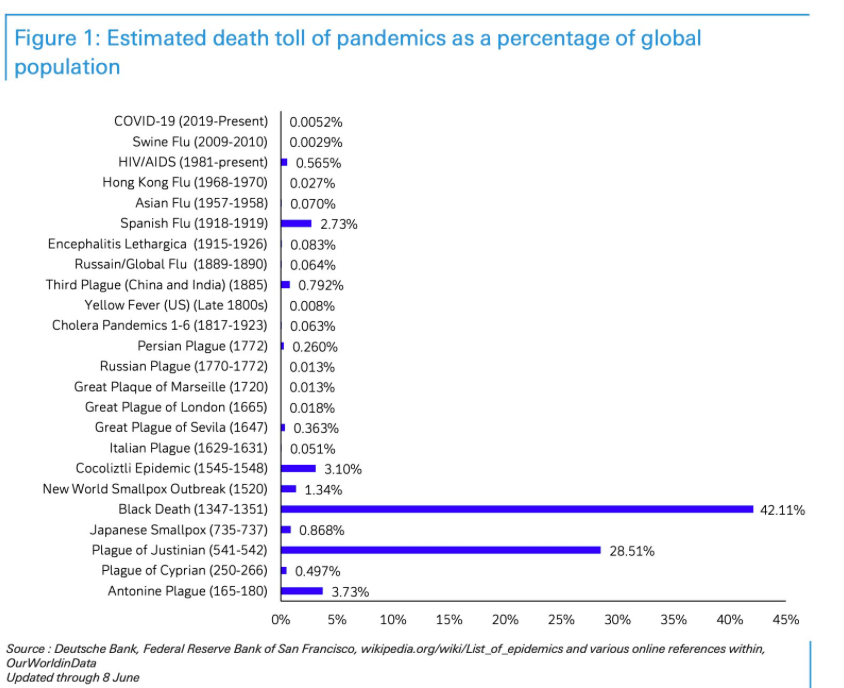
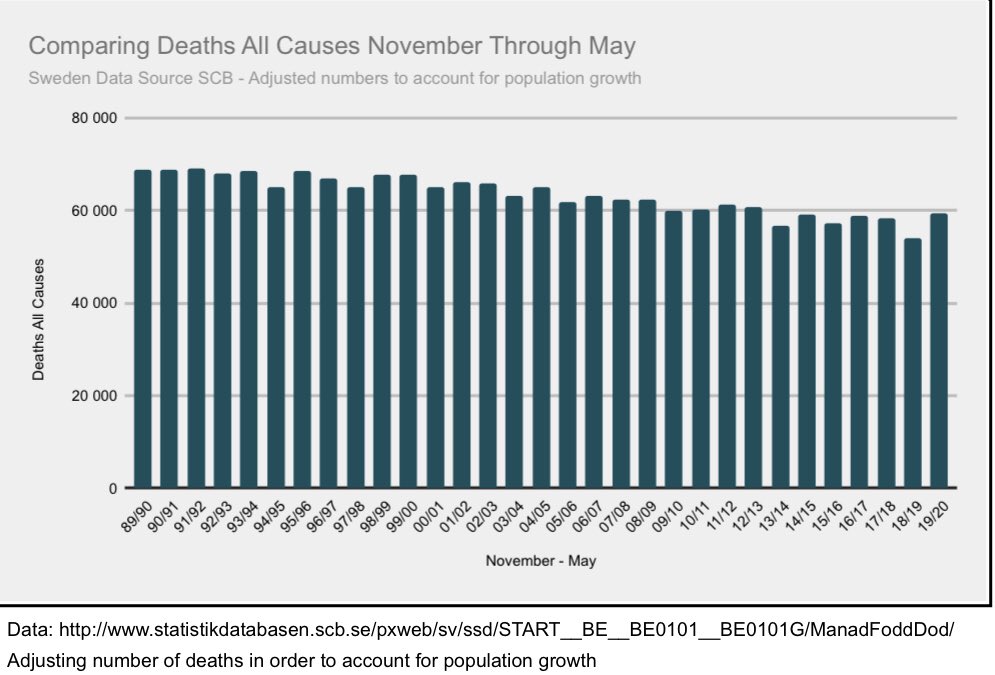
(Last updated: July 11)

Vaccines Bait & Switch: as Millions Pulled from WHO, Trump Gives Billions to Gates-Founded GAVI

Derrick Broze, Guest

Waking Times

In mid-May US President Donald Trump announced that the US would be ending their financial support for the World Health Organization (WHO) and COVID-19 relief. The move was lambasted in the mainstream press as an out of touch politician pulling funding from a vital global health organization during the middle of a pandemic. To Trump’s supporters the decision was met with the typical cheering and celebrated as another Trump victory against the “globalists.” To understand what is actually going on we need to examine Donald Trump’s actions, not his tweets or media statements.

Let us start by looking at the funding provided by the US government to the WHO in previous years. The latest numbers from fiscal year 2018 (numbers are not available for 2019-20) show an estimated $281.6 million to the WHO from the US. The records indicate that after the US government, the Bill and Melinda Gates Foundation and GAVI, the Vaccine Alliance, are the 2nd and 3rd top financiers of the WHO. The US defunding the WHO actually tightens the technocrats already firm grip on another global institution.

This means when Donald Trump stated the US will no longer fund the WHO, the Gates Foundation and GAVI stepped into the top financial role. Additionally, GAVI was founded by and largely funded by the Bill and Melinda Gates Foundation in 2000. Either way, Bill Gates is the top donor and will continue to expand his influence and dominance of global health policy. As reported in Part 2 of my Bill Gates investigation, in 2010 the Bill and Melinda Gates Foundation launched the “Decade of Vaccines” and called for a “Global Vaccine Action Plan.” Since that time they have only grown their network and influence on WHO, GAVI and other organizations in order to shape public health policy in a way that reaps profits for the Gates themselves.

While Trump’s supporters viewed the US withdrawal from WHO financing as a win for nationalism or a black eye to the globalists, the truth is a bit more nuanced.In early June, the Trump administration declared support for GAVI to the tune of a $1.16 billion USD donation. Trump’s support for GAVI came via the first ever virtual Global Vaccine Summit. At this summit GAVI surpassed the goal of $7.4 billion, instead raising $8.8 billion USD and securing commitments from most major nations around the world. GAVI even received a $5 million dollar donation from the Rockefeller Foundation. GAVI stated that the funding will go to “routine immunization programs” and will also help the public-private partnership “play a major role in the rollout of a future Covid-19 vaccine.”

More than 25 heads of state and 50 leaders of international agencies, NGOs and private industry attended the fundraising event. Participants included Germany’s Chancellor Angela Merkel, UN Secretary General António Guterres, European Commission President Ursula von der Leyen, and World Health Organization Director-General Dr Tedros Adhanom Ghebreyesus.

UN Secretary Guterres stated that the vaccine would not be enough and instead called for “global solidarity…to ensure that every person everywhere gets access to the vaccine.” Guterres also noted that “our individual health depends on our collective health.”

Donald Trump, GAVI, and Bill GatesIt was at this Global Vaccine Summit where a pre-recorded message from Donald Trump was played. In his video statement Trump said UK Prime Minister Boris Johnson asked him to record a message.

During his short speech, Donald Trump stated, “It’s great to be partnering with you. We will work hard, we will work strong.” Trump also called COVID-19 “mean” and “nasty” and said it has shown “there are no borders, it doesn’t discriminate.”

Trump’s support for GAVI was echoed on the Twitter account for the United States Agency for International Development (USAID). “USAID echo’s @Realdonaldtrump‘s words and is proud to be partnering with @Gavi by committing $1.16 billion to protect people through vaccines, because #VaccinesWork,“ the tweet reads. (It should be noted that USAID has also been accused of creating fake social media networks in an attempt to foment unrest in foreign nations.)It was actually USAID who first announced the pledge of US $1.16 billion in February. The Trump administration included that $1.16 commitment as part of the budget for Fiscal Years 2020-2023. The budget for Fiscal Year 2021 included $290 million for GAVI. Remember that the records from fiscal year 2018 show an estimated $281.6 million to the WHO from the US. The Trump administration’s announcement of an initial $290 million investment easily surpassed the US investment in the WHO. Over the next three years the US will give more than $800 million to GAVI for their vaccination programs.

Once again, this puts Bill Gates and his organizations at the top of the global health pyramid. So what did Mr. Gates have to say about the success of the Global Vaccine Summit?“

Since its inception GAVI has helped vaccinate more than three-quarters of a billion children … And now, it’s stepping up and saying it’s willing to deliver a Covid-19 vaccine as soon as one is available to end the pandemic as soon as possible,” he said at the Summit. “We must also renew our commitment to delivering every life-saving vaccine there is to every child on earth.”

The Trump administration’s support for the development of vaccines to fight COVID-19 is also visible in a more recent virtual event organized by Global Citizen and the European Commission. On June 27, Global Citizen hosted the “Global Goal: Unite for Our Future – The Concert” which was supported by Bloomberg Philanthropies, Bill & Melinda Gates Foundation, Wellcome Trust, and Corporate Partners Citi, Procter & Gamble, SAP, Verizon and Vodafone. Once again, the funds raised at the event went to the Gates-founded GAVI.

During this event, Kelly Craft, United States Ambassador to the United Nations announced the US commitment of $545 million for GAVI towards COVID-19 relief efforts. “Together, we must work in an open, transparent, and supportive manner to build a safer, more resilient world. We must be the true multilateralist in the best sense of the word, working toward the common good,” Craft said.

At a May 2020 virtual summit, also organized by the European Commission, the Trump administration committed to giving another $775 million in emergency health, humanitarian, economic and development aid for governments, international organizations and charities fighting the pandemic. At this same event the Bill and Melinda Gates Foundation contributed $125 million. Either Way, Gates WinsTaken together – the May payment of $775 million; the early June announcement of $1.16 billion; and the late June gift of $545 million – these taxpayer funded investments will provide abundant resources for GAVI, and subsequently, the Bill and Melinda Gates Foundation. These funds easily outweigh the paltry $281.6 million the US was giving to the WHO.

It is important to understand that the WHO is a part of the United Nations, which itself is an “intergovernmental organization” that is attempting to replace nation-states as we know them today in favor of global governance schemes. GAVI is a “public-private partnership” where governmental bodies and private organizations partner up to provide some sort of public service. Neither of these organizations has been elected by the free people of the nations in which they operate.

Despite this fact, the Trump administration is continuing to give billions to GAVI and in doing so, furthering Bill Gates’ goal to vaccinate 7 billion people. Trump may have pulled funds from the WHO, but that decision allows Gates to take full control of WHO policy and continue to use US taxpayer dollars to fund vaccine projects, including a rushed vaccine for COVID-19. This was likely the plan the whole time.

As we have clearly demonstrated in previous reports, Gates has an outsized influence on the COVID-19 recovery and global health in general. A 2015 report titled, Philanthropic Power and Development: Who shapes the agenda?, examines the influence of global philanthropy and provides examples of the undue influence Gates and others can wield. The report noted that researchers have been critical of GAVI for following a “Gates-approach” on global health challenges, “focusing on disease-specific vertical health interventions (through vaccines), instead of horizontal and holistic approaches (e.g., health system strengthening).” Further, in May 2019, Gavi CEO Seth Berkley referred to “anti-vaccine sentiment” as a disease that needs to be censored from the internet. Berkley’s statements are perfectly in line with Bill Gates’ vision and the larger agenda of eugenics. The public cannot be allowed to question the safety of vaccines — no matter how rushed they are.

This is why the Trump administration appointed a Big Pharma lackey to head “Operation Warp Speed,” Trump’s plan to fast track the development of vaccines for COVID-19. In May, Trump appointed Moncef Slaoui, a former executive with vaccine manufacturer GlaxoSmithKline, to serve in a volunteer position, assisted by Army Gen. Gustave Perna, the commander of United States Army Materiel Command. According to the Trump administration, Operation Warp Speed program is focusing on four vaccines, with the hopes of testing and producing 100 million doses by October 2020, 200 million by December, and 300 million doses by January. Slaoui has said he believes the goal of vaccines by January 2021 is a “credible goal.”Once again, Gates’ fingerprints are all over the situation. Slaoui himself has a long history with the Bill and Melinda Gates Foundation, sitting on the boards of companies that are connected to the organization.It appears that despite the public pronouncements of divesting from the WHO or tweets about standing up to the globalists, the Trump administration continues to push the agenda to vaccinate every person on the planet.

About the Author

Derrick Broze is an investigative journalist and liberty activist. He is the founder of the TheConsciousResistance.com. Follow him on Twitter. Derrick is the author of three books: The Conscious Resistance: Reflections on Anarchy and Spirituality and Finding Freedom in an Age of Confusion, Vol. 1, Finding Freedom in an Age of Confusion, Vol. 2 and Manifesto of the Free Humans. Derrick is available for interviews. Please contact Derrick@activistpost.com

This article (Your “Immunity Passport” Future Begins To Materialize As Airlines Call For Digital ID Tracking Systems) was originally featured at The Mind Unleashed and is reposted here with permission.