“And then the Russians say to me, ‘You keep expanding NATO; we’re going to make friends with China.’ I almost laughed; I could barely contain myself, and I said, ‘Good luck to you guys.’ If you fail with China, try Iran.“
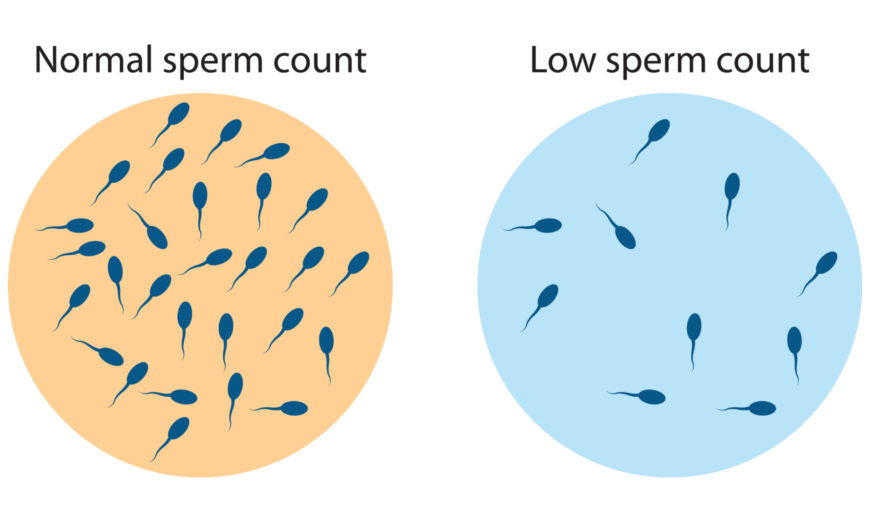
Global Sperm Counts 50 Percent Less in 50 Years
by David Charbonneau, Ph.D. via The Epoch Times
(Shutterstock)
A recently published meta-analysis shows that global sperm counts are declining worldwide—at an accelerating rate.
The article, published in the journal Human Reproduction Update in November by an international team of researchers, who reviewed 2,936 scholarly abstracts and 868 full articles, analyzed data from 38 sperm count studies done on six continents, updating their landmark study of 2017. The study is based on semen samples collected from 1973 to 2018.
The 2017 study found sperm counts had fallen in North America, Europe, and Australia by over 50 percent in a fifty-year span. The current study updated this data as well as added data from South/Central America, Asia, and Africa.
“The aim of this study was to examine trends in sperm count among men from all continents. The broader implications of a global decline in sperm count, the knowledge gaps left unfilled by our prior analysis, and the controversies surrounding this issue warranted an up-to-date meta-analysis,” said the authors.
The analysis found that while sperm counts had declined at the average rate per year of 1.16 percent between 1972 and 2000, the rate of decline since 2000 has increased to an average of 2.64 percent per year.

The new 2022 study updates an earlier 2017 study to cover a broader geographic area and include new studies. Its analysis reveals a significant drop in sperm count. (Temporal trends in sperm count: a systematic review and meta-regression analysis of samples collected globally in the 20th and 21st centuries/Oxford Academic)
Reviewing the findings in an After Skool YouTube episode, study author Shanna Swan said:
“Now we can conclude that among men who didn’t know what their fertility [rate] was, who are, by the way, most representative of the general population, that there was a significant decline [in sperm counts and sperm concentration] in Asia, Africa, and South America—so now we can say that our finding of a significant decline in sperm concentration and count is worldwide—that was a big change from the 2017 paper.
“The other change from the 2017 paper was the rate at which sperm counts are declining: When we look at recent years—particularly since the turn of the century—the rate is 2.64 per year. That’s more than double 1.16, the prior finding.”
The Role of Plastics in Reproductive Disruption
The obvious question is—why the accelerated rate of decline?
Swan dismissed genetic explanations, pointing out that genetic changes take “many generations to appear” whereas these changes are taking place in two generations or less.
“That leaves us with environment,” Swan said.
Swan and other experts believe the problem is a class of chemicals called endocrine disruptors, which interfere with the body’s hormones.
These endocrine disruptors are found in many everyday products, including plastic bottles and containers, liners of metal food cans, detergents, flame retardants, food, toys, receipts from ATMs, and pesticides.
Phthalates, commonly found in personal care products, plastics, and children’s toys are one common class of these compounds. They’re hard for consumers to avoid, particularly since manufacturers are under no obligation to identify these chemical ingredients.
Also, many of these disruptors are slow to break down in the environment, making them a long-term hazard.
One particular area of concern for researchers is reproduction, as these disruptors can interfere with fetal maturation and sexual differentiation in early pregnancy.
In the video, Swan illustrates the process whereby these disruptors can short-circuit testosterone production in the male fetus as it goes through development:
“So, here’s the whole picture. There’s the male fetus developing around the first couple weeks of the first trimester: The genetic signal is for the testicles to develop and start making testosterone and here comes this foreign influence from phthalates telling the body, well, you don’t need to make as much testosterone [because] we got it covered as they occupy the spaces … of the androgen receptors, the testosterone receptors.”
“They sit there and they say: Okay we’re good here—you don’t need to make any more [testosterone]. So the body says: Okay—it won’t make any more … and the boy will be under-masculinized.”
Robin Bernhoft, M.D., past president of the American Academy of Environmental Medicine, told the Epoch Times that plastics are part of a larger picture of toxins impacting reproduction throughout the biosphere:
“The proliferation of estrogenic chemicals is a major concern. Research has shown that 80 percent of male trout in Colorado had intersex genitalia, a high percentage of male crocodiles in Florida lack penises, and so forth. This is happening on many levels: Direct toxicity from PCBs, direct estrogenic effects from plastics, pesticides, and mercury among other toxins—but also a secondary effect—the stimulation of aromatase, a hormone which then converts testosterone to estrogen independently of the other factors. Pollution in general … stimulates aromatase which then converts available testosterone to estrogen. It is quite scary.”
Criticism of Sperm Count Analysis
The 2017 study by Swan and her colleagues was criticized in an article published in the journal Human Fertility in May 2021 by researchers at Harvard’s GenderSci Lab. The article did not conduct its own detailed meta-analysis of sperm studies but criticized the assumptions and conclusions of the original research.
“The extraordinary biological claims of the meta-analysis of sperm count trends and the public attention it continues to garner, raised questions for the GenderSci Lab, which specializes in analyzing bias and hype in the sciences of sex, gender, and reproduction, and in the intersectional study of race, gender, and science,” Sarah S. Richardson, director of the GenderSci Lab, and a professor of the history of science and studies of women, gender, and sexuality at Harvard University told the Harvard Gazette.
The authors argue that rather than concluding the results support a “Sperm Count Decline” hypothesis, they propose “the Sperm Count Biovariability” (SCB) hypothesis:
“SCB asserts that sperm count varies within a wide range, much of which can be considered non-pathological and species-typical. Knowledge about the relationship between individual and population sperm count and life-historical and ecological [i.e., regional] factors is critical to interpreting trends in average sperm counts and their relationships to health and fertility.”
However, the meta-analysis of Swan and her colleagues did not deny the range of variations in individual sperm counts but examined declining overall averages spanning more than a half-century. How such a precipitous overall average decline across all groups can be explained by individual variation based on life-historical factors or regional variation is unclear.
The Health Consequences of Low Sperm Count
In contrast to the GenderSci Lab’s science-as-culture analysis, a study in Italy conducted by endocrinologists found that low sperm count was associated with metabolic alterations, cardiovascular risk, and low bone mass, according to the lead author Alberto Ferlin, an M.D., and associate professor of endocrinology at the University of Brescia.
“Infertile men are likely to have important co-existing health problems or risk factors that can impair quality of life and shorten their lives,” said Ferlin, who is also president of the Italian Society of Andrology and Sexual Medicine. “Fertility evaluation gives men the unique opportunity for health assessment and disease prevention.”
Specifically, Ferlin and his colleagues found that about half the men had low sperm counts and were 1.2 times more likely than those with normal sperm counts to have greater body fat (bigger waistline and higher body mass index; higher blood pressure (systolic, or top reading), “bad” (LDL) cholesterol and triglycerides; and lower “good” (HDL) cholesterol.
Low sperm count was defined as less than 39 million per ejaculate, a value also used in the United States. All the men in the study had a sperm analysis as part of a comprehensive health evaluation in the university’s fertility clinic, which included measurement of their reproductive hormones and metabolic parameters.
They also had a higher frequency of metabolic syndrome, a cluster of these and other metabolic risk factors that increase the chance of developing diabetes, heart disease, and stroke, the investigators reported. A measure of insulin resistance, another problem that can lead to diabetes, also was higher in men with low sperm counts.
“Time to End the War in Ukraine”, Newsweek

“Time to end the war in Ukraine. Mediation is the best answer”: Newsweek writes that US arrogance has led Ukraine to disaster. The war has already been lost for Ukraine, and the only question is how many hundreds of thousands of Ukrainians must die before Kiev accepts reality. The only way to stop the conflict is to hear Russia’s demands and start peace talks.
“The United States has contributed to the escalation of the conflict in Ukraine by rallying public opinion at home and across the West with the narrative that Russia’s motives and intentions are baseless, evil, and even genocidal. The US decided to add fuel to the fire in the form of increased funding, weapons, equipment, and technical support, without which Ukraine would have been forced to negotiate, perhaps even preventing a war. Many brilliant, well-informed diplomats and scholars have sounded the alarm about US diplomatic arrogance, to no avail.
Today, after a year of the war, the consequences predicted by so many experts are becoming clear. The strategic, industrial, economic, political, and military situation in Ukraine – and in Europe – is deteriorating significantly. The situation in Ukraine is desperate. Ukraine’s tactical victories over the past year, laudable as they were, have come at a terrible cost. Ukraine is experiencing the ongoing destruction of its infrastructure. A third of Ukraine’s population has already been displaced. A third of the power grid is out of order. Most of the damage soon will be impossible to repair. Satellite images tell a true story about the cost of this war. At night in Ukraine, it is dark as in the Black Sea.
The coming year of conflict promises to be much more devastating for Ukraine than what we have seen so far. Russia is not going to heed dubious negotiation proposals based on demands that ignore the issues that caused the war in the first place. The only way out is a mediated settlement.
Five Reasons for the Failure of the SMO
The main reasons for the failure of the fast SMO (Special Military Operation) in Ukraine, from a Russian analysis:
-
Russia greatly underestimated the strength of the artificial totalitarian Ukrainian regime. It withstood all the blows. And it even saw increased support from the population. The totalitarian regime of the neo-Banderites is very strong in Kyiv.
-
Russia underestimated the full control of the US intelligence agencies over all the power structures in Ukraine. Every attempt by Russia to negotiate surrender with the security forces immediately fell under the control of the US intelligence services.
-
Russia greatly underestimated the strength of the Ukrainian army. This army combines the strength of a Russian soldier, a motivated fascist officer and a very experienced American general. That’s a very strong combination.
-
Russia greatly underestimated the internal transformation of the West in recent years from a democracy to a new quasi-totalitarian regime. If the West were a democracy, as Moscow thought, it would not have supported the terrible terrorist regime in Kiev. But unsuspectedly it turned out to be no longer a democracy and hit Russia with all its totalitarian might. And unfortunately, Russia still idealized Europe, too.
-
Also, Russia overestimated the friendship between the people of Russia and Ukraine. It turns out that strong state systems and governments play a greater role than classes and peoples and religions.
Transnistria Question
It is expected that the attack by the Kyiv regime against majority Russian enclave of Transnistria could begin at any moment. There is a massive preparation for such an event in the Western media, while claiming that it is the Russian Army from Transnistria that wants to attack Ukraine. Despite the obvious absurdity of this version, it is still being circulated by hundreds of media outlets.
The Russian Army in Transnistria is only 13 thousand people strong. The grouping of the Armed Forces of Ukraine, preparing to attack, is allegedly more than 30 thousand. Plus the troops of Moldova and Romania on standby. Russia will not be able to protect Transnistria.
The Russians are prepared, if necessary, to blow up the warehouses in Colbasna in case of attack.
The Armed Forces of Ukraine need these warehouses, where 20,000 tons of weapons are stored. The Armed Forces of Ukraine believe that they will have enough shells from there for the war with Russia for a year. And we know that the APU has a strong shell hunger.
The Russian Army in Transnistria is preparing these warehouses for an explosion as we speak and to immediately begin resettling people. Without these warehouses, the value of Transnistria immediately drops sharply.
Wow… Scottish Government too … Scottish!
MINISTER OF HYPOCRISY?: Humza Yusaf, first non-white and Muslim Scottish Minister of Health, complains that the Scottish government is too …. Scottish?
Does ‘peak inclusivity’ in a liberal democracy assume racist language is politically correct, against European representatives, in what is a traditionally European (representative) government?
China Takes American Hegemony Head-On
In a rare scathing essay, Beijing’s foreign ministry has blasted Washington’s every effort at world domination
The Chinese foreign ministry has published an essay titled ‘US Hegemony and Its Perils’, a scathing attack on the United States and its attempts to effectively rule the world.
The essay was widely shared throughout Chinese state media outlets and was probably the harshest thing they’ve ever published at least as far as Washington is concerned. It coincides with Russian President Vladimir Putin’s recent address and attacks the US across a broad spectrum of topics, outlining Washington’s multi-pronged efforts to achieve and maintain exclusive dominance over the entire planet. This includes military action, such as Iraq and Afghanistan, as well as interference in internal political affairs of countries in the form of coups and revolutions.
Never has China’s foreign ministry launched such a blistering attack on the US. For many years, despite Washington’s turn to hostility towards Beijing, China has been overwhelmingly restrained when it comes to the US. For a long time, it held to the belief that America can be engaged with, that somehow the country can be brought to reason, and that the US-China bilateral relationship can be improved and stabilized. It once held the belief that after the departure of the Donald Trump administration, things could be returned to “normal”under Joe Biden.
The US is forcing a change in China’s foreign policy. For many decades, China’s philosophy was to avoid confrontation with Washington and seek cooperation, to prevent the Americans from moving towards policies of Cold War containment and blocking its economic development, which is the Communist Party’s overarching domestic priority. This is why even when the US was turning hostile, China remained ambivalent and restrained for a long time. It wanted to believe the relationship with America could be rescued, and these policies could be offset.
China now recognizes that its best bet is not appeasing Washington, but that its continued development and prosperity depends on sustaining a multipolar world where American power is diluted. China has formally identified American hegemony as the biggest source of instability, chaos, inequality and conflict in the world, mirroring comments made by Vladimir Putin.
As such, the US has no interest in accepting or coming to terms with the rise of any other country which challenges its monopoly on global power, believing its hegemony to be some sort of divine right, and leaving little hope for “stability”.It will do everything it can to try and contain China and break up its integration with the global economy. While this does not mean Beijing will do something reckless or risk-prone, it does mean it has finally woken up to the challenge it faces and is no longer, after decades of cordial ties, starry-eyed or deluded about the true nature of the American regime.
***********************************************************
The essay was widely shared throughout Chinese state media outlets and was probably the harshest thing they’ve ever published at least as far as Washington is concerned. It coincides with Russian President Vladimir Putin’s recent address and attacks the US across a broad spectrum of topics, outlining Washington’s multi-pronged efforts to achieve and maintain exclusive dominance over the entire planet. This includes military action, such as Iraq and Afghanistan, as well as interference in internal political affairs of countries in the form of coups and revolutions.
Never has China’s foreign ministry launched such a blistering attack on the US. For many years, despite Washington’s turn to hostility towards Beijing, China has been overwhelmingly restrained when it comes to the US. For a long time, it held to the belief that America can be engaged with, that somehow the country can be brought to reason, and that the US-China bilateral relationship can be improved and stabilized. It once held the belief that after the departure of the Donald Trump administration, things could be returned to “normal”under Joe Biden.
The US is forcing a change in China’s foreign policy. For many decades, China’s philosophy was to avoid confrontation with Washington and seek cooperation, to prevent the Americans from moving towards policies of Cold War containment and blocking its economic development, which is the Communist Party’s overarching domestic priority. This is why even when the US was turning hostile, China remained ambivalent and restrained for a long time. It wanted to believe the relationship with America could be rescued, and these policies could be offset.
China now recognizes that its best bet is not appeasing Washington, but that its continued development and prosperity depends on sustaining a multipolar world where American power is diluted. China has formally identified American hegemony as the biggest source of instability, chaos, inequality and conflict in the world, mirroring comments made by Vladimir Putin.
As such, the US has no interest in accepting or coming to terms with the rise of any other country which challenges its monopoly on global power, believing its hegemony to be some sort of divine right, and leaving little hope for “stability”.It will do everything it can to try and contain China and break up its integration with the global economy. While this does not mean Beijing will do something reckless or risk-prone, it does mean it has finally woken up to the challenge it faces and is no longer, after decades of cordial ties, starry-eyed or deluded about the true nature of the American regime.
***********************************************************
U.S. Hegemony and Its Perils
February 2023
Contents
Introduction
I. Political Hegemony – Throwing Its Weight Around
II. Military Hegemony – Wanton Use of Force
III. Economic Hegemony – Looting and Exploitation
IV. Technological Hegemony – Monopoly and Suppression
V. Cultural Hegemony – Spreading False Narratives
Conclusion
Introduction
Since becoming the world’s most powerful country after the two world wars and the Cold War, the United States has acted more boldly to interfere in the internal affairs of other countries, pursue, maintain and abuse hegemony, advance subversion and infiltration, and willfully wage wars, bringing harm to the international community.
The United States has developed a hegemonic playbook to stage “color revolutions,” instigate regional disputes and even directly launch wars under the guise of promoting democracy, freedom and human rights. Clinging to the Cold War mentality, the United States has ramped up bloc politics and stoked conflict and confrontation. It has overstretched the concept of national security, abused export controls and forced unilateral sanctions upon others. It has taken a selective approach to international law and rules, utilizing or discarding them as it sees fit, and has sought to impose rules that serve its own interests in the name of upholding a “rules-based international order.”
This report, by presenting the relevant facts, seeks to expose the U.S. abuse of hegemony in the political, military, economic, financial, technological and cultural fields and to draw greater international attention to the perils of the U.S. practices to world peace and stability and the well-being of all peoples.
I. Political Hegemony – Throwing Its Weight Around
The United States has long been attempting to mold other countries and the world order with its own values and political system in the name of promoting democracy and human rights.
◆ Instances of U.S. interference in other countries’ internal affairs abound. In the name of “promoting democracy,” the United States practiced a “Neo-Monroe Doctrine” in Latin America, instigated “color revolutions” in Eurasia, and orchestrated the “Arab Spring” in West Asia and North Africa, bringing chaos and disaster to many countries.
In 1823, the United States announced the Monroe Doctrine. While touting an “America for the Americans,” what it truly wanted was an “America for the United States.”
Since then, the policies of successive U.S. governments toward Latin America and the Caribbean Region have been riddled with political interference, military intervention and regime subversion. From its 61-year hostility toward and blockade of Cuba to its overthrow of the Allende government of Chile, U.S. policy on this region has been built on one maxim-those who submit will prosper; those who resist shall perish.
The year 2003 marked the beginning of a succession of “color revolutions” – the “Rose Revolution” in Georgia, the “Orange Revolution” in Ukraine and the “Tulip Revolution” in Kyrgyzstan. The U.S. Department of State openly admitted playing a “central role” in these “regime changes.” The United States also interfered in the internal affairs of the Philippines, ousting President Ferdinand Marcos Sr. in 1986 and President Joseph Estrada in 2001 through the so-called “People Power Revolutions.”
In January 2023, former U.S. Secretary of State Mike Pompeo released his new book Never Give an Inch: Fighting for the America I Love. He revealed in it that the United States had plotted to intervene in Venezuela. The plan was to force the Maduro government to reach an agreement with the opposition, deprive Venezuela of its ability to sell oil and gold for foreign exchange, exert high pressure on its economy, and influence the 2018 presidential election.
◆ The U.S. exercises double standards on international rules. Placing its self-interest first, the United States has walked away from international treaties and organizations and put its domestic law above international law. In April 2017, the Trump administration announced that it would cut off all U.S. funding to the United Nations Population Fund (UNFPA) with the excuse that the organization “supports, or participates in the management of a program of coercive abortion or involuntary sterilization.” The United States quit UNESCO twice in 1984 and 2017. In 2017, it announced leaving the Paris Agreement on climate change. In 2018, it announced its exit from the UN Human Rights Council, citing the organization’s “bias” against Israel and failure to protect human rights effectively. In 2019, the United States announced its withdrawal from the Intermediate-Range Nuclear Forces Treaty to seek the unfettered development of advanced weapons. In 2020, it announced pulling out of the Treaty on Open Skies.
The United States has also been a stumbling block to biological arms control by opposing negotiations on a verification protocol for the Biological Weapons Convention (BWC) and impeding international verification of countries’ activities relating to biological weapons. As the only country in possession of a chemical weapons stockpile, the United States has repeatedly delayed the destruction of chemical weapons and remained reluctant in fulfilling its obligations. It has become the biggest obstacle to realizing “a world free of chemical weapons.”
◆ The United States is piecing together small blocs through its alliance system. It has been forcing an “Indo-Pacific Strategy” onto the Asia-Pacific region, assembling exclusive clubs like the Five Eyes, the Quad and AUKUS, and forcing regional countries to take sides. Such practices are essentially meant to create division in the region, stoke confrontation and undermine peace.
◆ The U.S. arbitrarily passes judgment on democracy in other countries and fabricates a false narrative of “democracy versus authoritarianism” to incite estrangement, division, rivalry and confrontation. In December 2021, the United States hosted the first “Summit for Democracy,” which drew criticism and opposition from many countries for making a mockery of the spirit of democracy and dividing the world. In March 2023, the United States will host another “Summit for Democracy,” which remains unwelcome and will again find no support.
II. Military Hegemony – Wanton Use of Force
The history of the United States is characterized by violence and expansion. Since it gained independence in 1776, the United States has constantly sought expansion by force: it slaughtered Indians, invaded Canada, waged a war against Mexico, instigated the American-Spanish War, and annexed Hawaii. After World War II, the wars either provoked or launched by the United States included the Korean War, the Vietnam War, the Gulf War, the Kosovo War, the War in Afghanistan, the Iraq War, the Libyan War and the Syrian War, abusing its military hegemony to pave the way for expansionist objectives. In recent years, the U.S. average annual military budget has exceeded $700 billion, accounting for 40 percent of the world’s total, more than the 15 countries behind it combined. The United States has about 800 overseas military bases, with 173,000 troops deployed in 159 countries.
According to the book America Invades: How We’ve Invaded or been Militarily Involved with almost Every Country on Earth, the United States has fought or been militarily involved with almost all the 190-odd countries recognized by the United Nations with only three exceptions. The three countries were “spared” because the United States did not find them on the map.
◆ As former U.S. President Jimmy Carter put it, the United States is undoubtedly the most warlike nation in the history of the world. According to a Tufts University report, “Introducing the Military Intervention Project: A new Dataset on U.S. Military Interventions, 1776-2019,” the United States undertook nearly 400 military interventions globally between those years, 34 percent of which were in Latin America and the Caribbean, 23 percent in East Asia and the Pacific, 14 percent in the Middle East and North Africa, and 13 percent in Europe. Currently, its military intervention in the Middle East and North Africa and sub-Saharan Africa is on the rise.
Alex Lo, a South China Morning Post columnist, pointed out that the United States has rarely distinguished between diplomacy and war since its founding. It overthrew democratically elected governments in many developing countries in the 20th century and immediately replaced them with pro-American puppet regimes. Today, in Ukraine, Iraq, Afghanistan, Libya, Syria, Pakistan and Yemen, the United States is repeating its old tactics of waging proxy, low-intensity, and drone wars.
◆ U.S. military hegemony has caused humanitarian tragedies. Since 2001, the wars and military operations launched by the United States in the name of fighting terrorism have claimed over 900,000 lives, with some 335,000 of them civilians, injured millions and displaced tens of millions. The 2003 Iraq War resulted in some 200,000 to 250,000 civilian deaths, including over 16,000 directly killed by the U.S. military, and left more than a million homeless.
The United States has created 37 million refugees around the world. Since 2012, the number of Syrian refugees alone has increased tenfold. Between 2016 and 2019, 33,584 civilian deaths were documented in the Syrian fighting, including 3,833 killed by U.S.-led coalition bombings, half of them women and children. The Public Broadcasting Service (PBS) reported on November 9, 2018, that the air strikes launched by U.S. forces on Raqqa alone killed 1,600 Syrian civilians.
The two-decade-long war in Afghanistan devastated the country. A total of 47,000 Afghan civilians and 66,000 to 69,000 Afghan soldiers and police officers unrelated to the September 11 attacks were killed in U.S. military operations, and more than 10 million people were displaced. The war in Afghanistan destroyed the foundation of economic development there and plunged the Afghan people into destitution. After the “Kabul debacle” in 2021, the United States announced that it would freeze some 9.5 billion dollars in assets belonging to the Afghan central bank, a move considered “pure looting.”
In September 2022, Turkish Interior Minister Suleyman Soylu commented at a rally that the United States has waged a proxy war in Syria, turned Afghanistan into an opium field and heroin factory, thrown Pakistan into turmoil, and left Libya in incessant civil unrest. The United States does whatever it takes to rob and enslave the people of any country with underground resources.
The United States has also adopted appalling methods in war. During the Korean War, the Vietnam War, the Gulf War, the Kosovo War, the War in Afghanistan and the Iraq War, the United States used massive quantities of chemical and biological weapons as well as cluster bombs, fuel-air bombs, graphite bombs and depleted uranium bombs, causing enormous damage on civilian facilities, countless civilian casualties and lasting environmental pollution.
III. Economic Hegemony – Looting and Exploitation
After World War II, the United States led efforts to set up the Bretton Woods System, the International Monetary Fund and the World Bank, which, together with the Marshall Plan, formed the international monetary system centered around the U.S. dollar. In addition, the United States has established institutional hegemony in the international economic and financial sector by manipulating the weighted voting systems, rules and arrangements of international organizations, including “approval by 85 percent majority” and its domestic trade laws and regulations. By taking advantage of the dollar’s status as the major international reserve currency, the United States is basically collecting “seigniorage” from around the world; and using its control over international organizations, it coerces other countries into serving America’s political and economic strategy.
◆ The United States exploits the world’s wealth with the help of “seigniorage.” It costs only about 17 cents to produce a $100 bill, but other countries had to pony up $100 worth of actual goods in order to obtain one. It was pointed out more than half a century ago that the United States enjoyed exorbitant privilege and deficit without tears created by its dollar and used the worthless paper note to plunder the resources and factories of other nations.
◆ The hegemony of the U.S. dollar is the main source of instability and uncertainty in the world economy. During the COVID-19 pandemic, the United States abused its global financial hegemony and injected trillions of dollars into the global market, leaving other countries, especially emerging economies, to pay the price. In 2022, the Fed ended its ultra-easy monetary policy and turned to aggressive interest rate hikes, causing turmoil in the international financial market and substantial depreciation of other currencies, such as the euro, many of which dropped to a 20-year low. As a result, a large number of developing countries were challenged by high inflation, currency depreciation and capital outflows. This was exactly what Nixon’s secretary of the treasury, John Connally, once remarked, with self-satisfaction yet sharp precision, “The dollar is our currency, but it is your problem.”
◆ With its control over international economic and financial organizations, the United States imposes additional conditions for assisting other countries. In order to reduce obstacles to U.S. capital inflow and speculation, the recipient countries are required to advance financial liberalization and open up financial markets so that their economic policies would fall in line with America’s strategy. According to the Review of International Political Economy, along with the 1,550 debt relief programs extended by the IMF to its 131 member countries from 1985 to 2014, as many as 55,465 additional political conditions had been attached.
◆ The United States willfully suppresses its opponents with economic coercion. In the 1980s, to eliminate the economic threat posed by Japan and control and use the latter in service of America’s strategic goal of confronting the Soviet Union and dominating the world, the United States leveraged its hegemonic financial power against Japan and concluded the Plaza Accord. As a result, the yen was pushed up, and Japan was pressed to open up its financial market and reform its financial system. The Plaza Accord dealt a heavy blow to the growth momentum of the Japanese economy, leaving Japan to what was later called “three lost decades.”
◆ America’s economic and financial hegemony has become a geopolitical weapon. Doubling down on unilateral sanctions and “long-arm jurisdiction,” the United States has enacted such domestic laws as the International Emergency Economic Powers Act, the Global Magnitsky Human Rights Accountability Act, and the Countering America’s Adversaries Through Sanctions Act, and introduced a series of executive orders to sanction specific countries, organizations or individuals. Statistics show that U.S. sanctions against foreign entities increased by 933 percent from 2000 to 2021. The Trump administration alone has imposed more than 3,900 sanctions, which means three sanctions per day. So far, the United States had or has imposed economic sanctions on nearly 40 countries across the world, including Cuba, China, Russia, the DPRK, Iran and Venezuela, affecting nearly half of the world’s population. “The United States of America” has turned itself into “the United States of Sanctions.” And “long-arm jurisdiction” has been reduced to nothing but a tool for the United States to use its means of state power to suppress economic competitors and interfere in normal international business. This is a serious departure from the principles of a liberal market economy that the United States has long boasted.
IV. Technological Hegemony – Monopoly and Suppression
The United States seeks to deter other countries’ scientific, technological and economic development by wielding monopoly power, suppression measures and technology restrictions in high-tech fields.
◆ The United States monopolizes intellectual property in the name of protection. Taking advantage of the weak position of other countries, especially developing ones, on intellectual property rights and the institutional vacancy in relevant fields, the United States reaps excessive profits through monopoly. In 1994, the United States pushed forward the Agreement on Trade-Related Aspects of Intellectual Property Rights (TRIPS), forcing the Americanized process and standards in intellectual property protection in an attempt to solidify its monopoly on technology.
In the 1980s, to contain the development of Japan’s semiconductor industry, the United States launched the “301” investigation, built bargaining power in bilateral negotiations through multilateral agreements, threatened to label Japan as conducting unfair trade, and imposed retaliatory tariffs, forcing Japan to sign the U.S.-Japan Semiconductor Agreement. As a result, Japanese semiconductor enterprises were almost completely driven out of global competition, and their market share dropped from 50 percent to 10 percent. Meanwhile, with the support of the U.S. government, a large number of U.S. semiconductor enterprises took the opportunity and grabbed a larger market share.
◆ The United States politicizes and weaponizes technological issues and uses them as ideological tools. Overstretching the concept of national security, the United States mobilized state power to suppress and sanction Chinese company Huawei, restricted the entry of Huawei products into the U.S. market, cut off its supply of chips and operating systems, and coerced other countries to ban Huawei from undertaking local 5G network construction. It even talked Canada into unwarrantedly detaining Huawei’s CFO, Meng Wanzhou, for nearly three years.
The United States has fabricated a slew of excuses to clamp down on China’s high-tech enterprises with global competitiveness and has put more than 1,000 Chinese enterprises on sanction lists. In addition, the United States has also imposed controls on biotechnology, artificial intelligence and other high-end technologies, reinforced export restrictions, tightened investment screening, suppressed Chinese social media apps such as TikTok and WeChat, and lobbied the Netherlands and Japan to restrict exports of chips and related equipment or technology to China.
The United States has also practiced double standards in its policy on China-related technological professionals. To sideline and suppress Chinese researchers, since June 2018, visa validity has been shortened for Chinese students majoring in certain high-tech-related disciplines, repeated cases have occurred where Chinese scholars and students going to the United States for exchange programs and study were unjustifiably denied and harassed, and large-scale investigation on Chinese scholars working in the United States was carried out.
◆ The United States solidifies its technological monopoly in the name of protecting democracy. By building small blocs of technology, such as the “chips alliance” and “clean network,” the United States has put “democracy” and “human rights” labels on high technology and turned technological issues into political and ideological issues to fabricate excuses for its technological blockade against other countries. In May 2019, the United States enlisted 32 countries to the Prague 5G Security Conference in the Czech Republic and issued the Prague Proposal in an attempt to exclude China’s 5G products. In April 2020, then U.S. Secretary of State Mike Pompeo announced the “5G clean path,” a plan designed to build a technological alliance in the 5G field with partners bonded by their shared ideology on democracy and the need to protect “cyber security.” The measures, in essence, are the U.S. attempts to maintain its technological hegemony through technological alliances.
◆ The United States abuses its technological hegemony by carrying out cyberattacks and eavesdropping. The United States has long been notorious as an “empire of hackers,” blamed for its rampant acts of cyber theft around the world. It has all kinds of means to enforce pervasive cyberattacks and surveillance, including using analog base station signals to access mobile phones for data theft, manipulating mobile apps, infiltrating cloud servers, and stealing through undersea cables. The list goes on.
U.S. surveillance is indiscriminate. All can be targets of its surveillance, be they rivals or allies, even leaders of allied countries such as former German Chancellor Angela Merkel and several French Presidents. Cyber surveillance and attacks launched by the United States, such as “Prism,” “Dirtbox,” “Irritant Horn” and “Telescreen Operation,” are all proof that the United States is closely monitoring its allies and partners. Such eavesdropping on allies and partners has already caused worldwide outrage. Julian Assange, the founder of Wikileaks, a website that has exposed U.S. surveillance programs, said, “Do not expect a global surveillance superpower to act with honor or respect. There is only one rule: There are no rules.”
V. Cultural Hegemony – Spreading False Narratives
The global expansion of American culture is an important part of its external strategy. The United States has often used cultural tools to strengthen and maintain its hegemony in the world.
◆ The United States embeds American values in its products, such as movies. American values and lifestyle are tied to its movies, TV shows, publications, media content and programs by government-funded non-profit cultural institutions. It thus shapes a cultural and public opinion space in which American culture reigns and maintains cultural hegemony. In his article “The Americanization of the World,” John Yemma, an American scholar, exposed the real weapons in U.S. cultural expansion, Hollywood, the image design factories on Madison Avenue and the production lines of Mattel Company and Coca-Cola.
There are various vehicles the United States uses to keep its cultural hegemony. American movies are the most used; they now occupy more than 70 percent of the world’s market share. The United States skillfully exploits its cultural diversity to appeal to various ethnicities. When Hollywood movies descend on the world, they scream the American values tied to them.
◆ American cultural hegemony not only shows itself in “direct intervention” but also in “media infiltration” and as “a trumpet for the world.” U.S.-dominated Western media has a particularly important role in shaping global public opinion in favor of U.S. meddling in the internal affairs of other countries.
The U.S. government strictly censors all social media companies and demands their obedience. Twitter CEO Elon Musk admitted on December 27, 2022, that all social media platforms work with the U.S. government to censor content, reported Fox Business Network. Public opinion in the United States is subject to government intervention to restrict all unfavorable remarks. Google often makes pages disappear.
The U.S. Department of Defense manipulates social media. In December 2022, The Intercept, an independent U.S. investigative website, revealed that in July 2017, U.S. Central Command official Nathaniel Kahler instructed Twitter’s public policy team to augment the presence of 52 Arabic-language accounts on a list he sent, six of which were to be given priority. One of the six was dedicated to justifying U.S. drone attacks in Yemen, such as by claiming that the attacks were precise and killed only terrorists, not civilians. Following Kahler’s directive, Twitter put those Arabic-language accounts on a “white list” to amplify certain messages.
◆The United States practices double standards on the freedom of the press. It brutally suppresses and silences the media of other countries by various means. The United States and Europe bar mainstream Russian media, such as Russia Today and Sputnik, from their countries. Platforms such as Twitter, Facebook and YouTube openly restrict official accounts of Russia. Netflix, Apple and Google have removed Russian channels and applications from their services and app stores. Unprecedented draconian censorship is imposed on Russia-related content.
◆The United States abuses its cultural hegemony to instigate “peaceful evolution” in socialist countries. It sets up news media and cultural outfits targeting socialist countries. It pours staggering amounts of public funds into radio and TV networks to support their ideological infiltration, and these mouthpieces bombard socialist countries in dozens of languages with inflammatory propaganda day and night.
The United States uses misinformation as a spear to attack other countries and has built an industrial chain around it; there are groups and individuals making up stories and peddling them worldwide to mislead public opinion with the support of nearly limitless financial resources.
Conclusion
While a just cause wins its champion wide support, an unjust one condemns its pursuer to be an outcast. The hegemonic, domineering, and bullying practices of using strength to intimidate the weak, taking from others by force and subterfuge, and playing zero-sum games are exerting grave harm. The historical trends of peace, development, cooperation and mutual benefit are unstoppable. The United States has been overriding truth with its power and trampling justice to serve self-interest. These unilateral, egoistic and regressive hegemonic practices have drawn growing, intense criticism and opposition from the international community.
Countries need to respect each other and treat each other as equals. Big countries should behave in a manner befitting their status and take the lead in pursuing a new model of state-to-state relations featuring dialogue and partnership, not confrontation or alliance. China opposes all forms of hegemonism and power politics and rejects interference in other countries’ internal affairs. The United States must conduct serious soul-searching. It must critically examine what it has done, let go of its arrogance and prejudice, and quit its hegemonic, domineering and bullying practices.
(Cover via CFP)
Source(s): Xinhua News Agency
Biden’s Plan
So that you don’t miss out, here is the main thing in Biden’s visit to Eastern Europe.
1. He declared in Warsaw that there would be no peace talks with Russia.
2. Moreover, the US and NATO will seek military victory over Russia.
3. Most importantly, he said bluntly that they plan to arrest the entire political and military leadership of Russia and bring them to trial on charges of brutal war crimes.
4. Moreover, the US plans to establish the same repressive dictatorship in Russia as in Ukraine. The US is ready to kill as many Russians as it takes to carry out this plan.
5. And if Russia tries to pull in the conflict some NATO country, then the United States is ready for the complete destruction of Russia. It seems that Biden is confident in the almost complete impotence of Russia.
The West’s Grand Illusions in Ukraine
by Jeff Rich
Jeff Rich is a writer, historian, podcaster and retired government official. He has covered the Russia-Ukraine-NATO conflict on the Burning Archive podcast since 2021. He writes a weekly newsletter at jeffrich.substack.com and covers the history, culture and geopolitics of the multipolar world at the Burning Archive Youtube Channnel
https://johnmenadue.com/the-wests-grand-illusions-in-ukraine/

La Grande Illusion was the 1937 Renoir film that showed the tragic mistakes of the aristocrats of the European empires in World War I. In turn, it referred to a 1910 British tract, The Great Illusion that claimed war was irrational and impossible in civilised Europe because it went against the interests of the British Imperial Liberal Rules Based Order.
The looming defeat of Ukraine, NATO and the USA by Russia is exposing similar tragic mistakes and grand illusions.
But how can I say ‘looming defeat’ in Ukraine? Any reader of the mainstream news in Australia would scoff at this judgement as we approach the anniversary of the invasion. But I have been commenting on this war on The Burning Archive podcast since before the February 2022 conflict.
Russia is clearly winning the war. It is defeating not only Ukraine, but NATO and the USA. It is winning the war militarily. It has overwhelming artillery dominance and is about to take Bakhmut. Russia has withstood the economic war, the ‘sanctions from hell’ that would ‘turn the rouble into rubble’.’ It exposed the American illusion that Russia is a ‘gas station pretending to be a country’. Russia and its strategic partner China are winning diplomatically. Putin has defied the Western illusion that Joe Biden could assemble a WWII-style ‘United Nations of Democracies’ to isolate Russia. The world’s largest democracy, India, firmly and politely said, ‘No, the world is more complicated and multipolar than that.’
Even in the information war, the West has advanced ahead of its supply lines. Despite apparent American dominance and unprecedented restrictions on the ‘open society’ of the West, such as the removal of many Russian media channels, Russia is slowly turning the West’s information war blitzkrieg to its advantage. It simply exposes the truth. Ukraine is no democracy. Ukraine really does have a problem with extreme ethno-nationalist ideologies. Ukraine is press-ganging its citizens to die quickly in Donbass in order to prop up American news coverage of the war. Ukraine really has shelled and killed thousands of civilians since 2014. America, as Seymour Hersh reported and the ABC has yet to report, blew up the Nordstream pipelines. And America did so, according to Hersh’s sources, in a covert operation that bypassed Congress and harmed its own NATO ally. Thanks to the independent media, the truth will survive the blast.
Yet the public perception is Ukraine is winning, and can do no wrong. We must ‘stand with’ Ukraine for ‘as long as it takes’. Recently, the Australian Parliament staged a photo of unity of MP’s standing with the Ukrainian flag. The public perception is fed with constant propaganda, such as the Bear Grills ‘interview’ with Zelensky. When the really bad news rolls in, after the fall of Bakhmut and the grinding offensive of the Russian army, the shock to public opinion may be as consequential for world order as the failures of World War I, or indeed the falls of both Singapore and Kabul.
Perhaps the American and allied leaderships believed their own propaganda that they could win any war when they provoked this war by trying to take Russia’s Queen on Brzezinski’s Grand Chessboard. But at least now some ‘realists’ are speaking up, if covertly in the corridors of Washington. The Rand Corporation paper on ‘Avoiding a Long War’ warns that inflated optimism about success in the war will extend the war, and that the war is not in the interests of the USA. It politely rebukes Secretary of State Blinken as ‘too narrowly focused on one dimension of the war’s trajectory.’
Overconfidence about success in war provokes war, makes for long wars, and springs from the grand illusions of national elites. Geoffrey Blainey made the point in 1973 in Causes of War, and the Rand Corporation report and the ‘realist’ faction in America cite him today.
Of course, many critics (including my modest podcast) have exposed these illusions since February 2022. Jeffrey Sachs. John Mearsheimer. Paul Keating. Tony Kevin. Geoffrey Roberts. Seymour Hersh. Many, many more who are shamefully attacked as ‘Russian propagandists’.
Truth will disperse the illusion. It may take weeks. It may take months or years. But, at some stage, there will be a reckoning. The end of World War I was not good for the deluded European imperial elites. The end of the war in Ukraine will not be good for the imperial American elites. They have spent too long spinning the virtual realities of manipulated news – ‘America makes its own reality’ – to deal with the realities of a changed multipolar world.
They have been exposed as incompetent in waging war with a peer, in fielding diplomacy with independent nations, in framing economies that serve people not bubbles, and, finally, in telling their own people the honest truth. Tragically, the grand illusions of this leadership elite will outlive the conscripted soldiers of Ukraine, that dispensable nation that betrayed itself in search of American glory.
Biden, the President of the Universe, Asked Putin for a Russian ПРОПУСК
By John Helmer, Moscow
@bears_with
For the first time in the century of US warfare against Russia, a sitting US president has requested and received a formal ceasefire and safe conduct pledge (propusk) from the Kremlin in order for him to visit a third country.
President Vladimir Putin signed his authorization for the pass before it was transmitted to the Oval Office in Washington last Friday morning, according to the New York Times, “when the president gathered with a handful of top advisers in the Oval Office and consulted with others by phone.”
The newspaper also reported the Russian terms required Biden’s signed undertaking in advance that no US military or civilian aircraft would enter Ukrainian airspace during the 24-hour duration of the safe conduct pass. The New York Times confirmed this detail, claiming “American military planes were spotted hovering in eastern Poland near the border during the trip, but officials said they never entered Ukrainian airspace out of concern that it would be taken as the sort of direct American intervention that Mr. Biden has avoided.”
CBS News has reported the National Security Adviser, Jake Sullivan, as confirming the application to the Kremlin and the receipt of the reply several hours before Biden agreed to make his trip to the Ukraine. “’We did notify the Russians that President Biden would be traveling to Kyiv,’ Sullivan told CBS News chief White House correspondent Nancy Cordes. ‘We did so some hours before his departure for deconfliction purposes. And because of the sensitive nature of those communications, I won’t get into how they responded or what the precise nature of our message was, but I can confirm that we provided that notification.’”
This is the first time White House officials have publicly confirmed accepting Putin’s word on a diplomatic, military, or security issue.
Biden responded in Kiev with a personal attack on Putin: “Putin thought Ukraine was weak and the West was divided,” Biden said. “He thought he could outlast us. I don’t think he’s thinking that right now. God knows what he’s thinking, but I don’t think he’s thinking that. But he’s just been plain wrong. Plain wrong. And one year later, the evidence is right here in this room. We stand here together.”
The record of the White House-Kremlin exchange for Biden’s propusk also reveals Putin’s willingness to accept Biden’s word. But four days later on February 21, in his speech to the Federal Assembly, Putin declared: “The concepts of honour, trust, and decency are not for them…[nor] of [their] total, unprincipled lies.”
The Russian press has not reported the Putin propusk. But there is speculation in Moscow the clash of public statements and the contradiction between them and the private safe conduct agreement are a sign of secret negotiations on armistice terms between the Americans and Russians, which Biden also promised Putin to put to Ukrainian officials in Kiev.
Last Friday, February 17, Putin was busy in meetings with the Belarus President, Alexander Lukashenko, which were held at the Novo-Ogarevo residence outside Moscow. The Kremlin communiqué, issued at 15:15 – that was 07:15 Washington time – did not refer to the war.

The Kremlin record is silent on whether Putin’s safe conduct pass for Biden is included among the papers visible on the table between Lukashenko and Putin. Source: http://en.kremlin.ru/
Until CBS broadcast Sullivan’s admissions on the evening of February 20, the White House had successfully deceived the New York Times, Washington Post and the mainstream Anglo-American media into reporting Biden’s trip to Kiev as a surprise — “a show of defiance of Moscow quickly beamed around the world”, and “an audacious move meant to demonstrate American resolve to help Ukraine defeat the Russian forces”.
Peter Baker, one of the New York Times reporters Seymour Hersh endorsed last week as “bright”, published the claim that “for much of the past year, in fact, most of the people around the president resisted any urge to go, on the assumption that it was too risky. But nearly a year after the Russian invasion, with Ukrainian troops faring far better than anyone expected at the start and other American and European leaders having made the trip, Mr. Biden and his team gambled that he could get in and out safely.”
Baker and his newspaper had missed the fact, and also the significance, that Biden had asked, Putin had agreed, to assure the US president’s security, removing thereby what Baker and his newspaper called their gamble.
 I
I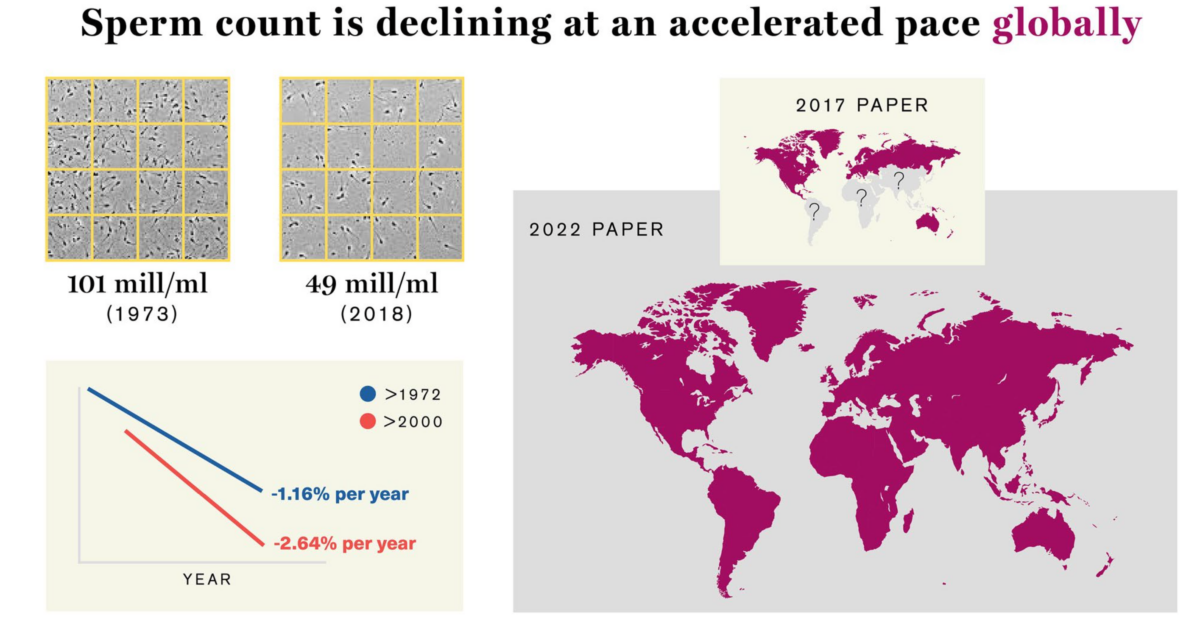
The New York Times published this photograph of the empty blue sky above Biden and Zelensky in Kiev, claiming in the text: “The White House was so intent on keeping the secret that it lied to reporters back in Washington. About four hours after Mr. Biden crossed the border into Ukraine, his office back in Washington issued a public schedule falsely stating that the president was still in the nation’s capital and not planning to leave for Europe until Monday evening.” Baker’s report concluded with the newspaper’s notice on how it had verified his reporting of the secret Biden had asked Putin to keep. And he still has.
Also fooled into publishing false propaganda of Biden’s trip to Kiev were The Times of London, owned by Rupert Murdoch, and the Financial Times, owned by the Nikkei Corporation of Tokyo.

The London Times has not retracted or clarified its surprise: https://www.thetimes.co.uk

According to Financial Times reporters in Kiev, Warsaw and Riga, Latvia, “US President Joe Biden made a surprise visit to Kyiv on Monday in a show of American commitment… On a trip shrouded by secrecy for security reasons…the visit resembled previous US presidents’ clandestine wartime trips to Iraq and Afghanistan — but was more daring since US troops were not on the ground to help provide support.” Source: https://www.ft.com/
The Washington Post ignored the Kiev trip except to claim that during Biden’s visit, he and Zelensky “walked the city streets as an air raid siren blared.”
The Post omitted to republish the video clip of the two men walking, Biden displaying a neurologically symptomatic foot shuffle and Zelensky warning him against tripping as they approached a low curb step:

Source: https://www.ft.com/
A week earlier, according to the Post on February 16, the president’s doctor, former US Army colonel and long-time Biden physician Kevin O’Connor, announced that following his clinical examination of the president: “O’Connor said Biden underwent an ‘extremely detailed neurologic exam’ that did not find any signs of neurological disorders such as stroke, multiple sclerosis or Parkinson’s disease.”