Robert F. Kennedy Jr.: The CIA Killed My Father & Uncle – Do Not Trust The Medical Or The National Security Establishment!

Tim Brown

Agency had his father and uncle assassinated, and in that light, he has been speaking out against the medical community with regard to vaccines. Kennedy warns Americans not to trust the same people, the national security establishment, who murdered his father and uncle and added not to trust the medical establishment as well.

Nephew of President John F. Kennedy, son of Robert F. Kennedy, and tireless crusader against the tyranny of the mainstream medical establishment, Robert F. Kennedy, Jr. joins today’s Liberty Report to discuss his startling discoveries about who really killed his father and uncle…and why.

Plus, Mr. Kennedy, an environmental lawyer, has been among the most vocal and most successful opponents of the mainstream medical establishment, driven by big Pharma to inoculate and medicate everything that moves.

He tells the Liberty Report how he very reluctantly decided to dedicate his career to fighting the mandatory vaccines that have resulted in so many documented injuries to the recipients.

Biran Shilhavy has the story.

Mr. Kennedy begins by mentioning a book he has written, American Values, which he says documents his family’s almost 75-year battle with the CIA.

He says the fight with the CIA started in the mid 1950s when President Truman asked his grandfather, Joseph Kennedy, to serve on a commission called “The Hoover Commission.”

Their task was to look at the CIA, because the CIA was not originally chartered to engage in paramilitary activities, fixing elections, murdering world leaders, and interfering with the democracies of other countries.

Mr. Kennedy mentioned that the CIA was created with great reluctance by both Democrats and Republicans, because the precursor to the CIA, the “Office of Strategic Services,” a military secret intelligence agency, was liquidated after WWII, because the belief at the time was that secret police organizations were inconsistent with a democracy ruled by a Constitution.

In those days, when Americans thought of secret police, they thought of the “Stasi” (German secret police), or they thought of the “KGB” (Russian secret police), or they thought of the “Gestapo” (Nazi Germany secret police).

So there were debates in Congress when the CIA was being launched, and both Republicans and Democrats did not believe this was something America should be doing.

When the CIA was started, it was supposed to be exclusively an “espionage” program for gathering intelligence. It was not meant to interfere.

But Alan Dulles, the first director of the CIA, apparently had other plans, and soon they were overthrowing democracies in Guatemala, Iran, and all over the world. So when Joseph Kennedy was on the Hoover Commission, he recommended dismantling the CIA.

Mr. Kennedy continues:

Alan Dulles manipulated the law, and did a lot of backroom deals to get these huge secret budgets and began really engaging in all of the mischief. And my grandfather was on a commission that looked at this and saw what they had done.

And when they were overthrowing democracies in Guatemala and Iran and all over the world, he said “we should dismantle it. We should remove the Plans Division,” which was the “dirty tricks” division.

Alan Dulles never forgave him, or my family for that. And when my Uncle came in, and did the Bay of Pigs, he then fired Dulles.

When President Johnson came into the room, in the East Room of the White House, I was standing beside my father when he said to my father that Lee Harvey Oswald had just been killed by Jack Ruby, he told my father and Jackie that, and I said to my father, “Did Jack Ruby love our family?”

And nobody answered that question.

Mr. Kennedy’s father later discovered that Jack Ruby was connected to the Mob and to the CIA. He believed that the CIA killed his brother, President John F. Kennedy.

While this is important. This is not all. Shilhavy points out that the conversation turns towards medical tyranny.

You are watching two men, Dr. Ron Paul, who himself was a career Republican Congressman, and Mr. Kennedy from a famous career Democratic family, who both agree on the issues of medical tyranny facing us today, because they both understand that the threat to America today over the fear of COVID, is a non-partisan issue.

Mr. Kennedy actually quotes the words spoken by Franklin Delano Roosevelt at his inaugural as president in 1933, in the midst of the Great Depression, “We have nothing to fear but fear itself,” because “fear” is the tool of tyrants. Tyrants rule by fear, and by claiming they are the only ones to rescue people from the perceived threat that causes fear.

That is happening today, in an unprecedented way, with COVID fear.

While neither man waxes eloquently as some who use those teleprompters. What you will find are men who, though coming from politically ideological different viewpoints, agree about medical tyranny. It needs to be stomped out.

Mr. Kennedy’s Children’s Health Defense can be found at http://www.childrenshealthdefense.org. Ron Paul’s Liberty Report can be found at http://www.ronpaullibertyreport.com/

Renowned European scientist: COVID-19 was engineered, effective vaccine ‘unlikely’

Professor Giuseppe Tritto, an internationally known expert in biotechnology and nanotechnology, says that the China Virus definitely wasn’t a freak of nature that happened to cross the species barrier from bat to man.Featured ImageProf. Giuseppe Tritto in a March 2020

PETITION: No to mandatory vaccination for the coronavirus! Sign the petition here.

August 10, 2020 (LifeSiteNews) – It will not be possible for the Dr. Fauci’s of the world to dismiss Professor Giuseppe Tritto as a crank. Not only is he an internationally known expert in biotechnology and nanotechnology who has had a stellar academic career, but he is also the president of the World Academy of Biomedical Sciences and Technologies (WABT), an institution founded under the aegis of UNESCO in 1997.

In other words, he is a man of considerable stature in the global scientific community. Equally important, one of the goals of WABT is to analyze the effect of biotechnologies—like genetic engineering—on humanity.

In his new book, this world-class scientist does exactly that. And what he says is that the China Virus definitely wasn’t a freak of nature that happened to cross the species barrier from bat to man. It was genetically engineered in the Wuhan Institute of Virology’s P4 (high-containment) lab in a program supervised by the Chinese military.

Prof. Tritto’s book, which at present is available only in Italian, is called Cina COVID 19: La Chimera che ha cambiato il Mondo(China COVID 19: The chimera that changed the world). It was published on August 4 by a major Italian press, Edizioni Cantagalli, which coincidently also published the Italian edition of one of my books, Population Control (Controllo Demografico in Italian)several years ago.

What sets Prof. Tritto’s book apart is the fact that it demonstrates—conclusively, in my view—the pathway by which a PLA-owned coronavirus was genetically modified to become the China Virus now ravaging the world. His account leaves no doubt that it is a “chimera”, an organism created in a lab.

He also connects the dots linking the Wuhan lab to France and the United States, showing how both countries provided financial and scientific help to the Chinese as they began to conduct ever more dangerous bioengineering experiments. Although neither American nor French virologists are responsible for the end result—a highly infectious coronavirus and a global pandemic—their early involvement may explain why so many insist that the “chimera” must have come from nature. The last thing they want to admit is that they might have had a hand in it.

Those of us who, early on, argued for a laboratory origin were dismissed as conspiracy theorists. Our articles were censored as “fake news,” often by American virologists who knew perfectly well what the truth was, but preferred to protect China, and themselves, from scrutiny lest they themselves be implicated.

Dr. Tritto’s 272 pages of names, dates, places, and facts leaves such apologists with no place to hide. The story begins following the SARS epidemic of 2003, as the Chinese attempt to develop vaccines to combat the deadly disease. Dr. Shi Zhengli, about whom I have previously written, was in charge of the program at the Wuhan Institute of Virology.

In vaccine development, reverse genetics is used to create viral strains that have reduced pathogenicity but to which the immune system responds by creating antibodies against the virus. But reverse genetics can also be used to create viral strains that have increased pathogenicity. That is what Dr. Shi, encouraged by PLA bioweapons experts, began increasingly to focus her research on, according to Prof. Tritto.

Dr. Shi first solicited help from the French government, which built the P4 lab, and from the country’s Pasteur institute, which showed her how to manipulate HIV genomes. The gene insertion method used is called “reverse genetics system 2.” Using this method, she inserted an HIV segment into a coronavirus discovered in horseshoe bats to make it more infectious and lethal.

The U.S. was involved as well, particularly Prof Ralph S. Baric, of the University of North Carolina, who was on the receiving end of major grants from the National Institute of Allergy and Infectious Disease. This is, of course, Dr. Anthony Fauci’s shop. Fauci was a big proponent of “gain of function” research, and when this was prohibited at Baric’s lab because it was considered to be too dangerous, the research was shifted to China.

Prof. Tritto believes that, while Dr. Shi’s research began as an effort to develop a vaccine against SARS, it gradually morphed into an effort to use “reverse genetics” to build lethal biological weapons. This was the reason that the Wuhan lab became China’s leading center for virology research in recent years, attracting major funding and support from the central government.

I would add that the rule in Communist-controlled China is “let the civilian support the military,” which means that as soon as Dr. Shi’s research showed any potential military uses the PLA would have begun exercising control of the research. This came out in the open with the outbreak, when China’s leading expert on bioweapons, People’s Liberation Army Major General Chen Wei, was immediately placed in charge of the Wuhan Institute of Virology. As for Dr. Shi Zheng-Li, she seems to have disappeared.

As Dr. Tritto explained in an interview with Italian media:

In 2005, after the SARS epidemic, the Wuhan Institute of Virology was born, headed by Dr. Shi Zheng-Li, who collects coronaviruses from certain bat species and recombines them with other viral components in order to create vaccines. In 2010 she came into contact with American researchers led by Prof. Ralph Baric, who in turn works on recombinant viruses based on coronaviruses. Thanks to the matrix viruses provided by Shi, Baric created in 2015 a mouse Sars-virus chimera, which has a pathogenic effect on human cells analyzed in vitro.

At that point, the China-US collaboration becomes competition. Shi wants to work on a more powerful virus to make a more powerful vaccine: it combines a bat virus with a pangolin virus in vitro and in 2017 publishes the results of this research in some scientific articles.

Her research attracts the interest of the Chinese military and medical-biological sector which deals with biological weapons used as a deterrent for defensive and offensive purposes. Thus Shi is joined by doctors and biologists who belong to the political-military sphere, such as Guo Deyin, a scholar of anti-AIDS and anti-viral hepatitis vaccines and expert in genetic recombination techniques. The introduction of the new engineered inserts into the virus genome is the result of the collaboration between the Shi team and that of Guo Deyin. The realization of this new chimera, from a scientific point of view, is a success. So much so that, once the epidemic has broken out, the two researchers ask WHO to register it as a new virus, H-nCoV-19 (Human new Covid 19), and not as another virus derived from SARS. It is reasonable to think that Shi acted only from the point of view of scientific prestige, without however taking into account the risks in terms of security and the political-military interests that her research would have aroused.

When asked why China has refused to provide the complete genome of the China Virus to the WHO or to other countries, Dr. Tritto explained that “providing the matrix [source] virus would have meant admitting that SARS-CoV-2 [China Virus] was created in the laboratory. In fact, the incomplete genome made available by China lacks some inserts of AIDS amino acids, which itself is a smoking gun.”

The key question, for those of us who are living through the pandemic, concerns the development of a vaccine. On this score, Prof. Tritto is not optimistic:

Given the many mutations of SARS-CoV-2, it is extremely unlikely that a single vaccine that blocks the virus will be found. At the moment 11 different strains have been identified: the A2a genetic line which developed in Europe and the B1 genetic line which took root in North America are more contagious than the 0 strain originating in Wuhan. I therefore believe that, at the most, a multivalent vaccine can be found effective on 4-5 strains and thus able to cover 70-75% of the world’s population.

In other words, by withholding from the world the original genetic code of the China Virus that it created, the Chinese Communist Party is ensuring that no completely effective vaccine will ever be developed by the West.

Steven W. Mosher is the President of the Population Research Institute and the author of Bully of Asia: Why China’s “Dream” is the New Threat to World Order.

Seven Year Coronavirus Trail from Bat Cave via Wuhan Lab

via The Times

In 2013, scientists investigating deaths in a disused mine found a coronavirus remarkably similar to that behind the pandemic. They took samples to their lab 1,000 miles away

In the monsoon season of August 2012 a small team of scientists travelled to southwest China to investigate a new and mysteriously lethal illness. After driving through terraced tea plantations, they reached their destination: an abandoned copper mine where — in white hazmat suits and respirator masks — they ventured into the darkness.

Instantly, they were struck by the stench. Overhead, bats roosted. Underfoot, rats and shrews scurried through thick layers of their droppings. It was a breeding ground for mutated micro-organisms and pathogens deadly to human beings. There was a reason to take extra care. Weeks earlier, six men who had entered the mine had been struck down by an illness that caused an uncontrollable pneumonia. Three of them died.
Today, as deaths from the Covid-19 pandemic exceed half a million and economies totter, the bats’ repellent lair has taken on global significance.
Evidence seen by The Sunday Times suggests that a virus found in its depths — part of a faecal sample that was frozen and sent to a Chinese laboratory for analysis and storage — is the closest known match to the virus that causes Covid-19.
It came from one of the last droppings collected in the year-long quest, during which the six researchers sent hundreds of samples back to their home city of Wuhan. There, experts on bat viruses were trying to identify the source of the Sars — severe acute respiratory syndrome — pandemic 10 years earlier.

The virus was a huge discovery. It was a “new strain” of a Sars-type coronavirus that, surprisingly, received only a passing mention in an academic paper. The six sick men were not referred to at all.
What happened to the virus in the years between its discovery and the eruption of Covid-19? Why was its existence tucked away in obscure records, and its link to three deaths not mentioned?
Nobody can deny the bravery of the scientists who risked their lives by harvesting the highly infectious virus. But did their courageous detective work lead inadvertently to a global disaster?
ONE
Where flowers bloom all year

The first victims of a new virus
Kunming, the capital of Yunnan province in southwest China, is known as “the city of eternal spring” because its unique climate encourages flowers to bloom all year. The sprawling high-rise buildings of the First Affiliated Hospital tower over the ancient city.
On Tuesday April 24, 2012, a 45-year-old man with the surname of Guo was admitted to the hospital’s intensive care unit suffering from severe pneumonia.
The next day a 42-year-old man with the surname Lv was taken to the hospital with the same life-threatening symptoms, and by Thursday three more cases — Zhou, 63, Liu, 46, and Li, 32 — had joined him in intensive care. A sixth man called Wu, 30, was taken into intensive care the following Wednesday.
All the men were linked. They had been given the task of clearing out piles of bat faeces in an abandoned copper mine in the hills south of the town of Tongguan in the Mojiang region. Some had worked for two weeks before falling ill, and others just a few days.
The illness confounded the doctors. The men had raging fevers of above 39C, coughs and aching limbs. All but one had severe difficulty in breathing.
After the first two men died, the remaining four underwent a barrage of tests for haemorrhagic fever, dengue fever, Japanese encephalitis and influenza, but they all came back negative. They were also tested for Sars, the outbreak that had erupted in southern China in 2002, but that also proved negative.
The doctors sought the opinion of Professor Zhong Nanshan, a British-educated respiratory specialist and a former president of China’s medical association who had spearheaded his country’s efforts to combat Sars. Aware the men might be suffering from another Sars-related coronavirus, he advised the doctors to test them for antibodies.
The Wuhan Institute of Virology (WIV), a renowned centre of coronavirus expertise, was called in to test the four survivors. These produced a remarkable finding: while none had tested positive for Sars, all four had antibodies against another, unknown Sars-like coronavirus.
Furthermore, two patients who recovered and went home showed greater levels of antibodies than two still in hospital, one of whom later died.
Researchers in China have been unable to find any news reports of this new Sars-like coronavirus and the three deaths. There appears to have been a media blackout. It is, however, possible to piece together what happened in the Kunming hospital from a master’s thesis by a young medic called Li Xu. His supervisor was Professor Qian Chuanyun, who worked in the emergency department that treated the men. Other vital details, including the results of the antibody tests, were found in a PhD paper by a student of the director of the Chinese Centre for Disease Control and Prevention.
Li’s thesis was unable to say what exactly killed the three miners, but indicated that the most likely cause was a Sars-like coronavirus from a bat.
“This makes the research of the bats in the mine where the six miners worked and later suffered from severe pneumonia caused by unknown virus a significant research topic,” Li concluded.
That research was already under way — led by the Wuhan virologist who became known as “Bat Woman” — and it adds to the mystery.
TWO
The bat heroine

The Bat Woman heralded as a hero in China
For historians of the Chinese Communist Party, Wuhan is where the 72-year-old Mao Tse-tung took a symbolic swim in the Yangtze River in 1966 before launching the Cultural Revolution. For generations born since that disastrous era, the modern industrial city is the crossroads of China’s high-speed rail network and was the centre of the Covid-19 pandemic.
For science, however, Wuhan is the centre for research into the coronavirus in bats. Shi Zhengli, nicknamed “Bat Woman” by her colleagues, is heralded as a hero in China and in scientific communities across the world.
But the bats in Yunnan are 1,000 miles from her laboratory, and one of the most extraordinary coincidences of the Covid-19 pandemic is that ground zero happened to be in Wuhan, the world centre for the study and storage of the types of coronavirus the city’s own scientists believe caused the outbreak.
Coronaviruses are a group of pathogens that sometimes have the potential to leap species from animals to humans and appear to have a crown — or corona — of spikes when viewed under a microscope.
Before Covid-19, six types of coronavirus were known to infect humans but mostly they caused mild respiratory symptoms such as the common cold.
The first outbreak of Sars — now known as Sars-Cov-1 to distinguish it from Sars-Cov-2, the virus that causes Covid-19 — is one of the deadly exceptions. It emerged in Guangdong, southern China, in November 2002 and infected 8,096 people in 29 countries. It caused severe pneumonia in some and killed 774 people before petering out eight months later.
A race began to find out how a coronavirus had mutated into something so deadly and jumped from animals to humans. The initial prime suspects were masked palm civet cats, a delicacy in some parts of China. But suspicion shifted to bats, which had also been linked to other deadly viruses such as rabies. Perhaps they were the primary source and civets were just intermediaries that they infected.
STN.CHINA_COVID.05.07.20.R

Shi and her team from the WIV began hunting among bat colonies in caves in southern China in 2004. In 2012 they were in the midst of a five-year research project centred on caves in remote mountains southwest of Kunming when the call came to investigate the incident in the copper mine about 200 miles away.
They were joined by local disease control experts when they descended into the mine that August with protective equipment and bat-catching nets.
Over the next year, the scientists took faecal samples from 276 bats. The samples were stored at minus 80C in a special solution and dispatched to the Wuhan institute, where molecular studies and analysis were conducted.
These showed that exactly half the bats carried coronaviruses and several were carrying more than one virus at a time — with the potential to cause a dangerous new mix of pathogens.
The results were reported in a scientific paper entitled “Coexistence of multiple coronaviruses in several bat colonies in an abandoned mineshaft” co-authored by Shi and her fellow scientists in 2016.
Notably, the paper makes no mention of why the study had been carried out: the miners, their pneumonia and the deaths of three of them.
The paper does state, however, that of the 152 genetic sequences of coronavirus found in the six species of bats in the mineshaft, two were of the type that had caused Sars. One is classified as a “new strain” of Sars and labelled RaBtCoV/4991. It was found in a Rhinolophus affinis, commonly known as a horseshoe bat. The towering significance of RaBtCov/4991 would not be fully understood for seven years.
THREE
An ordinary coronavirus

The top security lab at the centre of Wuhan
A new facility was taking shape on the virology institute campus on the west side of the Yangtze in Wuhan. Built by a contractor for the People’s Liberation Army under strict secrecy, a top-security laboratory for handling deadly human pathogens was unveiled in 2017.
There were 31 such laboratories in the world at the time but this was China’s first. The new lab had been certified by the Chinese authorities as “biosafety level 4”, or BSL-4, the highest. But it was raising eyebrows internationally.
Scientists and biosafety experts were concerned that the closed nature of the Chinese state and the emphasis on hierarchy would prove incompatible with running such a dangerous facility.
“Diversity of viewpoint, flat structures where everyone feels free to speak up and openness of information are important,” Tim Trevan, a consultant in biosecurity, told the science magazine Nature when it opened.
Laboratory leaks are not uncommon. In the past, ebola and the fatal bat disease Marburg, which kills nine out of 10 people infected, have escaped from BSL-4 laboratories in the US. American health authorities recorded 749 laboratory safety breaches in the six years to 2015. Indeed, several people were infected by Sars in 2004 after an accident at China’s National Institute of Virology in Beijing.
The need for a secure facility in Wuhan was obvious, however. Shi and her team had already collected hundreds of samples of the coronavirus — including RaBtCov/4991 — from their work on bats across Yunnan province, and they were running controversial experiments to find out how they might mutate to become more infectious to humans.
This “gain-of-function” work is described in papers released by the WIV between 2015 and 2017, scientists say. Shi’s team combined snippets of different coronaviruses to see if they could be made more transmissible in what they called “virus infectivity experiments”.
It was controversial because it had the potential to turn bat coronaviruses into human pathogens capable of causing a pandemic. In 2014 the US government issued a ban on funding any endeavour to make a virus more contagious.
Shi’s team argued that gain-of-function work increased its understanding of how an ordinary coronavirus might one day transform into a killer such as Sars.
Others disagreed. “The debate is whether in fact you learn more by helping to develop vaccines or even drugs by replicating a more virulent virus than currently exists, versus not doing that,” explained Deenan Pillay, professor of virology at University College London. “And I think the consensus became that the risk was too much.”
In January 2018 the US embassy in Beijing took the unusual step of sending scientists with diplomatic status to Wuhan to find out what was going on in the institute’s new biosafety laboratories. They met Shi and members of her team.
Details of the diplomats’ findings have been found in US diplomatic cables that were leaked to The Washington Post and others. “Most importantly,” states a cable from January 19, 2018, “the researchers also showed that various Sars-like coronaviruses can interact with ACE2, the human receptor identified for Sars-coronavirus. This finding strongly suggests that Sars-like coronaviruses from bats can be transmitted to humans to cause Sars-like diseases.”
The Americans were evidently worried about safety. “During interactions with scientists at the WIV laboratory, they noted the new lab has a serious shortage of appropriately trained technicians and investigators needed to safely operate this high-containment laboratory,” the cable added.
Shi was in a conference in Shanghai on Monday December 30, 2019, when she received a call to say there was a new coronavirus on the loose — and it had surfaced in Wuhan, of all places. Since her work had established that such viruses were most likely to originate in south China, she found the news puzzling and extremely worrying. “I wondered if [the local health authority] got it wrong,” she told the Scientific American magazine in a rare interview this year. “I had never expected this kind of thing to happen in Wuhan, in central China.”
One of her initial thoughts, as she prepared to return immediately to analyse the virus, was “Could they [the new coronaviruses] have come from our lab?”. It was a natural anxiety, although she said she was later able to dismiss it after examining the lab’s records.
FOUR
Patient Zero

When did Covid-19 really start?
The precise point at which Covid-19 erupted in Wuhan may never be known. Various theories have been discredited.
A study by Harvard University claimed the virus may have started last August. It relied on satellite images in which the car parks of selected Wuhan hospitals looked busier. However, the study’s detractors have pointed to discrepancies in the evidence.
There is also a theory — propagated by the Chinese media — that the virus may have been introduced into the country by foreign athletes competing in the Military World Games in Wuhan last October. They included the French former world champion pentathlete Élodie Clouvel and the Italian Olympic gold medallist fencer Matteo Tagliariol, who were laid low by fever during the Games.
Few of the athletes have been tested to find out whether they carry antibodies to Covid-19, apart from the Swedish team. Melina Westerberg, a Swedish pentathlete, has revealed that while many of her teammates were sick during the Games, they tested negative. “It was just a coincidence,” she said.
It is possible that the virus did start patchily at around the time of the Military World Games. Yu Chuanhua, an epidemiology professor at Wuhan University, has told Chinese media that one man was admitted to hospital on September 29 with Covid-19-like symptoms but it is impossible now to show whether he had the virus because he died. There were two more suspected early carriers of the virus from November 14 and 21 in the city’s 47,000-strong database of cases, but they are unconfirmed.
Probably the first confirmed case was a 70-year-old man with Alzheimer’s disease, whose family had told researchers from Wuhan Jinyintan Hospital that his symptoms had begun on December 1.
From that point it accelerated to about 60 identifiable cases by December 20, according to government research data reported in the South China Morning Post. However, it would not be until a week later that Dr Zhang Jixian, of the Hospital of Integrated Traditional Chinese and Western Medicine in Hubei province, became the first person to report a suspected outbreak to the provincial government.
By then it had already spread as far as Europe, probably via regular flights from Wuhan. The virus may have been in Italy as early as December 18. The country’s National Institute of Health reported finding traces of Covid-19 in sewage water collected in Milan and Turin on that date.
It was certainly in France, as a man called Amirouche Hammar was admitted to Jean-Verdier hospital in Paris on December 27. He had unknown respiratory pneumonia and was coughing blood. His samples later revealed Covid-19. His wife, who had a slight cough, worked at a supermarket used by shoppers leaving Charles de Gaulle airport, where there were direct flights from Wuhan.

Early cases

First Covid-19 cases recorded in Wuhan that were linked to the Huanan seafood market and not linked, by the day that symptoms were first reported

Dec152229Jan0510152025303540MarketclosedJan 1

Chart: The Times and The Sunday Times • Source: The New England Journal of Medicine

In Wuhan itself, the first cluster of cases included traders and shoppers at the Huanan seafood market, a maze of small trading stores opening on to crowded alleys in the centre of the city. Despite its name, the market also sold meat and vegetables, and there was an exotic wildlife section in the west of the market.
On January 1 the Huanan market was closed and scientists found 33 coronavirus samples, nearly all in the area of the market where wild animals were sold.
It seemed like an open and shut case. When the results were released later that month, the Chinese state news agency Xinhua reported: “The results suggest that the novel coronavirus outbreak is highly relevant to the trading of wild animals.”
However, an early study published in The Lancet made clear that of the 41 patients who contracted Covid-19 in Wuhan only 27 had been “exposed” to the market. A third had no connection to the market, including the study’s “patient zero”, who fell ill on December 1.
Months later George Gao, the director of the Chinese Centre for Disease Control and Prevention, revealed that all the samples taken from animals at the market had tested negative for the virus and that those found had been from sewage or other environmental sources. The Chinese health authorities are now working on the theory that the market helped spread the disease but was not where it originated.
FIVE
Mapping the virus

China warns world of deadly new strain
On December 31, the day Shi returned to the WIV to begin work identifying the new coronavirus, the Chinese authorities decided it was time to tell the world there was potentially a problem.
The World Health Organisation (WHO) was notified that a number of people had been struck down with pneumonia but the cause was not stated. On the same day, the Wuhan health authority put out a bland public statement reporting 27 cases of flu-like infection and urged people to seek medical attention if they fell ill. Neither statement indicated that the new illness could be transmitted between humans or that the likely source was already known: a coronavirus.
By the second week in January, desperate scenes were unfolding at Wuhan hospitals. Hopelessly ill-prepared and ill-equipped staff were forced to make life-and-death calls about who they could treat. Within a few days, the lack of beds, equipment and staff made the decisions for them.
Shi’s team managed to identify five cases of the coronavirus from samples taken from patients at Wuhan Jinyintan Hospital using a technique to amplify the virus’s genetic material. The samples were sent to another lab, which completed the whole genomic sequence.
However, the sequence would not be passed to the WHO until January 12 and China would not admit there had been human-to-human transmission until January 20, despite sitting on evidence the virus had been passed to medics.
One of Shi’s other urgent tasks was to check through her laboratory’s records to see if any errors, particularly with disposal of hazardous materials, could have caused a leak from the premises.
She spoke of her relief to discover that the sequences for the new virus were not an exact match with the samples her team had brought back from the bat caves. “That really took a load off my mind,” she told the Scientific American, “I had not slept a wink for days.”
SIX
RaTG13

From bat cave to lab
She then set about writing a paper describing the new coronavirus to the world for the first time. Published in Nature on February 3 and entitled “A pneumonia outbreak associated with a new coronavirus of probable bat origin”, the document was groundbreaking.
It set out a full genomic description of the Covid-19 virus and revealed that the WIV had in storage the closest known relative of the virus, which it had taken from a bat. The sample was named RaTG13. According to the paper, it is a 96.2% match to the Covid-19 virus and they share a common lineage distinct from other Sars-type coronaviruses. The paper concludes that this close likeness “provides evidence” that Covid-19 “may have originated in bats”.
In other words, RaTG13 was the biggest lead available as to the origin of Covid-19. It was therefore surprising that the paper gave only scant detail about the history of the virus sample, stating merely that it was taken from a Rhinolophus affinis bat in Yunnan province in 2013 — hence the “Ra” and the 13.
Inquiries have established, however, that RaTG13 is almost certainly the coronavirus discovered in the abandoned mine in 2013, which had been named RaBtCoV/4991 in the institute’s earlier scientific paper. For some reason, Shi and her team appear to have renamed it.
The clearest evidence is in a database of bat viruses published by the Chinese Academy of Sciences — the parent body of the WIV — which lists RaTG13 and the mine sample as the same entity. It says it was discovered on July 24, 2013, as part of a collection of coronaviruses that were described in the 2016 paper on the abandoned mine.
In fact, researchers in India and Austria have compared the partial genome of the mine sample that was published in the 2016 paper and found it is a 100% match with the same sequence for RaTG13. The same partial sequence for the mine sample is a 98.7% match with the Covid-19 virus.
Peter Daszak, a close collaborator with the Wuhan institute, who has worked with Shi’s team hunting down viruses for 15 years, has confirmed to The Sunday Times that RaTG13 was the sample found in the mine. He said there was no significance in the renaming. “The conspiracy folks are saying there’s something suspicious about the change in name, but the world has changed in six years — the coding system has changed,” he said.
He recalled: “It was just one of the 16,000 bats we sampled. It was a faecal sample, we put it in a tube, put it in liquid nitrogen, took it back to the lab. We sequenced a short fragment.”
In 2013 the Wuhan team had run the sample through a polymerase chain reaction process to amplify the amount of genetic material so it could be studied, Daszak said. But it did no more work on it until the Covid-19 outbreak because it had not been a close match to Sars.
Other scientists find the initial indifference about a new strain of the coronavirus hard to understand. Nikolai Petrovsky, professor of medicine at Flinders University in Adelaide, South Australia, said it was “simply not credible” that the WIV would have failed to carry out any further analysis on RaBtCoV/4991, especially as it had been linked to the deaths of three miners.
“If you really thought you had a novel virus that had caused an outbreak that killed humans then there is nothing you wouldn’t do — given that was their whole reason for being [there] — to get to the bottom of that, even if that meant exhausting the sample and then going back to get more,” he said.
“I would expect people to be as clear as they can be about the history of the isolates of their sequencing,” said Professor Wendy Barclay, head of Imperial College London’s infectious disease department and a member of the UK government’s Sage advisory committee. “Most of us would have reported the entire history of the isolate, [back] to where all that came from, at the time.”
According to Daszak, the mine sample had been stored in Wuhan for six years. Its scientists “went back to that sample in 2020, in early January or maybe even at the end of last year, I don’t know. They tried to get full genome sequencing, which is important to find out the whole diversity of the viral genome.”
However, after sequencing the full genome for RaTG13 the lab’s sample of the virus disintegrated, he said. “I think they tried to culture it but they were unable to, so that sample, I think, has gone.”
In recent weeks, academics are said to have written to Nature asking for the WIV to write an erratum clarifying the sample’s provenance, but the Chinese lab has maintained a stony silence. A spokesman for Nature said: “Concerns relating to this paper have been brought to Nature’s attention and are being considered at the moment. We cannot comment further at this time.”
SEVEN
Ski holidays

The contagion spread through Europe
The director of the WIV, Wang Yanyi, gave an interview in May in which she described suggestions that Covid-19 might have leaked from the lab as “pure fabrication”. She said that the institute managed to sequence the genome of RaTG13 but had not been able to return it to a live virus. “Thus, there is no possibility of us leaking RaTG13,” she said.
Shi’s interview with the Scientific American mentions the discovery of a coronavirus that 96% matches the Covid-19 virus, and has a reference to the miners dying in a cave she investigated. However, the two things are not linked and Shi downplays the significance of the miners’ deaths by claiming they succumbed to a fungus.
Experts consulted by this newspaper thought it was significant the men had tested positive for antibodies against Sars. Professor Martin Hibberd, a professor of emerging infectious diseases at the London School of Hygiene & Tropical Medicine, said the antibodies provided “a good clue” that the cause of death was “a proper coronavirus”, which “most likely” was Sars-related.
“[RaTG13] is so similar to all the other Sars coronaviruses and so I’d imagine all of that family can cause similar disease, so it makes good sense to me that if the miners caught it they would end up with something that looks similar.”
On January 23 Wuhan became the first city in the world to go into lockdown and it would later suffer nearly 4,000 deaths, according to official figures that some people believe are too low.
Britain’s first official cases — a Chinese student studying in York and a relative — would not emerge for another week, but it is highly likely the virus was already in the country. There were 901 flights from China to the UK between December 1, when the first known patient fell ill, and January 24. Of those, 23 flights brought thousands of passengers directly from Wuhan to Heathrow.
There is also evidence that Britons were bringing back the virus from Europe. Professor Tim Spector, an epidemiologist at King’s College London, who runs the Covid Symptom Study app, says he was contacted by up to 500 people who had returned to the UK between Christmas and January with symptoms.
Many were returning from ski resorts, notably in Austria. In April, 42% of residents in the town of Ischgl were found to have antibodies. “I was interested in the Austrian surveys done in Tyrol because I was quite struck by the stories of all the people that came back from Austrian ski holidays in January, predominantly, feeling ill. It was very convincing because a lot of the stories were the same from different people,” he said.
EIGHT
The investigation

How did this happen?
The origin of Covid-19 is one of the most pressing questions facing humanity. Scientists worldwide are trying to understand how it evolved, which could help stop such a crisis happening again.
The suggestion that well-intentioned scientists may have introduced Covid-19 to their own city is vehemently denied by the WIV, and its work on the origin of the virus has become an x-rated topic in China. Its leadership has taken strict control of new studies and information about where the virus may have come from.
A directive from the education ministry’s science and technology department in the spring stipulated that such work had to be read by a taskforce directly under the state council — comprising China’s president, Xi Jinping, and top ministers — before it can be published.
The secrecy has only increased as the origin of Covid-19 has become politicised as a weapon of aggressive foreign policy. President Donald Trump has described the virus as a “kung flu” and has delighted in claiming it is a Chinese disease. Scientists are dismayed and fear China will retreat further into its shell.
Professor Richard Ebright, of Rutgers University’s Waksman Institute of Microbiology in New Jersey, believes there is now less than a 50:50 chance China will allow a transparent investigation into the origin of the pandemic. “That’s unfortunate,” he said. “And that largely reflects the poor handling of the matter by the US president, who chose to push this in a way that made it unlikely that there could be an open investigation.”
Over the next few days, WHO scientists will be allowed to fly into China to begin an investigation into the origins of the virus after two months of negotiations. Many experts such as Daszak believe the source of the virus will be found in a bat in the south of China.
“It didn’t emerge in the market, it emerged somewhere else,” said Daszak. He said the “best guess right now” is that the virus started within a “cluster” on the Chinese border that includes the area where RaTG13 was found and an area just south of the mineshaft, where another bat pathogen with a 93% likeness to Covid-19 was discovered recently.
As for how the virus travelled to Wuhan, Daszak said: “Fair assumption is that it spilt into animals in southern China and was then shipped in, via infected people, or animals associated with trade, to Wuhan.”
But how could such an infectious virus avoid causing a single noticeable outbreak during the 1,000-mile journey from Yunnan to the city?
Hibberd said it was feasible the virus could have travelled in an animal such as a pangolin, which passed it to a human wildlife trader when it was being transported for sale in the market. “Maybe a young guy moves a pangolin and sold it on and may have had a mild infection but didn’t have any disease,” he said. “It’s not impossible for that scenario to happen.”
On the other hand, Hibberd believes it is possible the virus could have been brought back by one of the scientists, who were frequent travellers between the caves and Wuhan. “If you imagine these researchers who probably did this are students — who are probably quite young — it’s entirely possible that a researcher might become infected through the study of bats.”
The WIV was not the only body of scientists from the city delving into virus-laden caves. On December 10 last year a Chinese state media outlet published an extraordinary video lionising the bravery of a researcher called Tian Junhua, who is said to have caught 10,000 bats in studies for Wuhan’s disease control centre.
Tian admitted that he knew little about bats when he first started visiting the caves eight years ago, and once had to isolate himself for 14 days after being showered with bat urine while wearing inadequate protection. On occasions bat blood spilt onto his hands but he says he has never been infected.
The young researcher aroused suspicion because one of the offices of the disease control centre is about 300 yards from the Huanan seafood market. He has refused to talk to reporters, but his friends have firmly denied that he was “patient zero”.
The final and trickiest question for the WHO inspectors is whether the virus might have escaped from a laboratory in Wuhan. Is it possible, for example, that RaTG13 or a similar virus turned into Covid-19 and then leaked into the population after infecting one of the scientists at the Wuhan institute?
This seriously divides the experts. The Australian virologist Edward Holmes has estimated that RaTG13 would take up to 50 years to evolve the extra 4% that would make it a 100% match with the Covid-19 virus. Hibberd is slightly less conservative and believes it might take less than 20 years to morph naturally into the virus driving the current pandemic.
But others say such arguments are based on the assumption the virus develops at a constant rate, along lines that have been monitored over the past six months. “That is not a valid assumption,” said Ebright. “When a virus changes hosts and adapts to a new host the rate of evolutionary change is much higher. And so it is possible that RaTG13, particularly if it entered humans prior to November 2019, may have undergone adaptation in humans at a rate that would allow it to give rise to Sars-Cov-2. I think that is a distinct possibility.”
Ebright believes an even more controversial theory should not be ruled out. “It also, of course, is a distinct possibility that work done in the laboratory on RaTG13 may have resulted in artificial in-laboratory adaptation that erased those three to five decades of evolutionary distance.”
It is a view Hibberd does not believe is possible. “Sars-Cov-2 and RaTG13 are not the same virus and I don’t think you can easily manipulate one into the other. It seems exceptionally difficult,” he said.
Ebright alleges, however, that the type of work required to create Covid-19 from RaTG13 was “identical” to work the laboratory had done in the past. “The very same techniques, the very same experimental strategies using RaTG13 as the starting point, would yield a virus essentially identical to Sars-Cov-2.”
The Sunday Times put a series of questions to the WIV. They included why it had failed for months to acknowledge the closest match to the Covid-19 virus was found in a mine where people had died from a coronavirus-like illness. The questions were met with silence.

Crucial Viewing – to truly understand our current Viral Issue #Casedemic

Wuhan pool party shows China is over the Covid-19 lockdowns; the rest of the world? . . . not so much

by Nebojsa Malic

Wuhan pool party shows China is over the Covid-19 lockdowns; the rest of the world, not so much

People watching a performance as they cool off in a swimming pool in Wuhan in China’s central Hubei province. © STR / AFP·

The sight of partygoers in Wuhan, China piling into a water park without masks or social distancing seems like a cruel joke to nations where no measures, however disruptive, seem to be helping against the Covid-19 pandemic.

Wuhan is where the first cases of the SARS-CoV-2 novel coronavirus were first observed in late 2019. The city of 11 million, and much of the surrounding Hubei province, were placed under strict lockdown to halt the spread of the virus. The lockdown included drastic measures such as people getting their front doors welded shut, if one is to believe photos circulating online.

Fast-forward to this past weekend, when AFP published photos and video of an electronic music festival at the Wuhan Maya Beach Water Park. Though local media say the park officially operates at 50 percent capacity, “none of the tightly-packed partygoers were seen to be wearing face masks,” the French news agency reported.

AFP added the official explanation that “there have been no new domestically transmitted cases officially reported in Hubei province” since mid-May, and that the 76-day lockdown had been lifted in April.

#UPDATE Thousands of partygoers packed out a water park over the weekend in the central Chinese city of #Wuhan, where the #coronavirus first emerged late last year, keen to party as the city edges back to normal life http://u.afp.com/36gQ

VIDEO:

🇨🇳

Crowds packed out a water park over the weekend in the central Chinese city of #Wuhan, where the #coronavirus first emerged late last year, keen to party as the city edges back to normal life.

Thousands of Chinese ignored the coronavirus and participated last weekend in a techno music macro party at a water park in Wuhan, where Coronavirus disease emerged at the end of 2019, which generated controversy this Monday on social networks. pic.twitter.com/tJKPQq8knW

— David (@DavidPrzMX) August 17, 2020

While nearby countries such as South Korea and Japan managed to keep track of the people infected and suppressed the epidemic without a lockdown, almost every other country in the world has implemented the Wuhan model to some extent or another – and got nowhere near the same result.

The US has now been locked down to some extent or another for twice as long as Wuhan – 154 days as of Monday – though it was originally supposed to be only “15 days to slow the spread.” As a result, the economy has ground to a halt, small businesses have been ruined, and millions are facing eviction for being unable to afford rent. European countries are having similar problems.

Moreover, the flip-flop on masks by their governments – going from ‘don’t wear them, they don’t work’ in March to ‘everyone must wear them on penalty of fines’ by July – has angered the public, already frustrated by the never-ending lockdowns and the attendant economic ruin.

Admissions by top scientific advisers – such as Dr. Anthony Fauci in the US – that the original rhetoric on masks was not driven by science, but by a desire to prevent hoarding by the general public, have not helped win the public trust. Neither has the behavior of Professor Neil Ferguson, the UK author of the lockdown model, who was caught violating quarantine to be with his mistress, back in May. Yet officials continue to insist that lockdowns work, need to continue indefinitely, and things would have been far worse without them.

Critics who put forward data that show otherwise – pointing to examples like the Hawaii islands or Peru, where the virus has rampaged despite the strict lockdowns – are either derided or censored by major social media platforms for spreading “misinformation.”

If anything, lockdown advocates say they haven’t been harsh enough, and point to China’s 89,000 or so official cases of Covid-19 and about 4,700 fatalities, in comparison with 5.4 million and 170,000 deaths in the US so far.

US President Donald Trump has rejected the official Chinese figures as fraudulent, even as he has defended his administration’s approach to leave the lockdowns and their severity up to state governors. The fact it’s an election year in the US and everything – including the pandemic – has become viciously politicized doesn’t help.

The Wuhan pool party has now become a Rorschach inkblot test, with both sides of the debate seeing it as proof of their position. The one thing everyone will agree on is that the Chinese don’t seem to be too concerned about Covid-19 anymore.

Facts on Covid Hoax – A Swiss Doctor

Overview diagrams

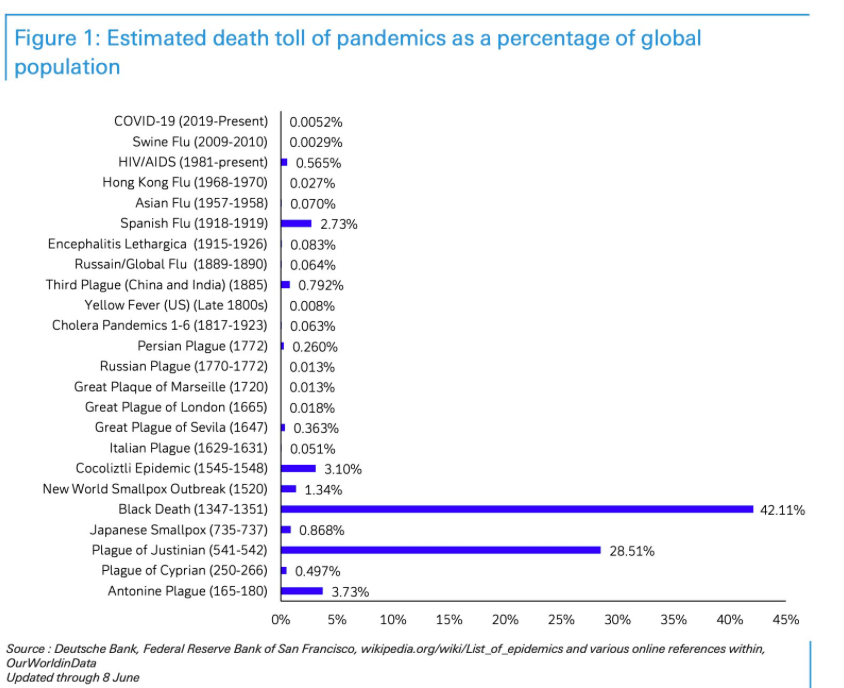
Global Covid mortality compared to earlier pandemics

Worlwide “cases” versus deaths

Sweden: Predicted deaths vs. reality

Corona deaths: Sweden vs. New York

Corona deaths: Sweden vs. England

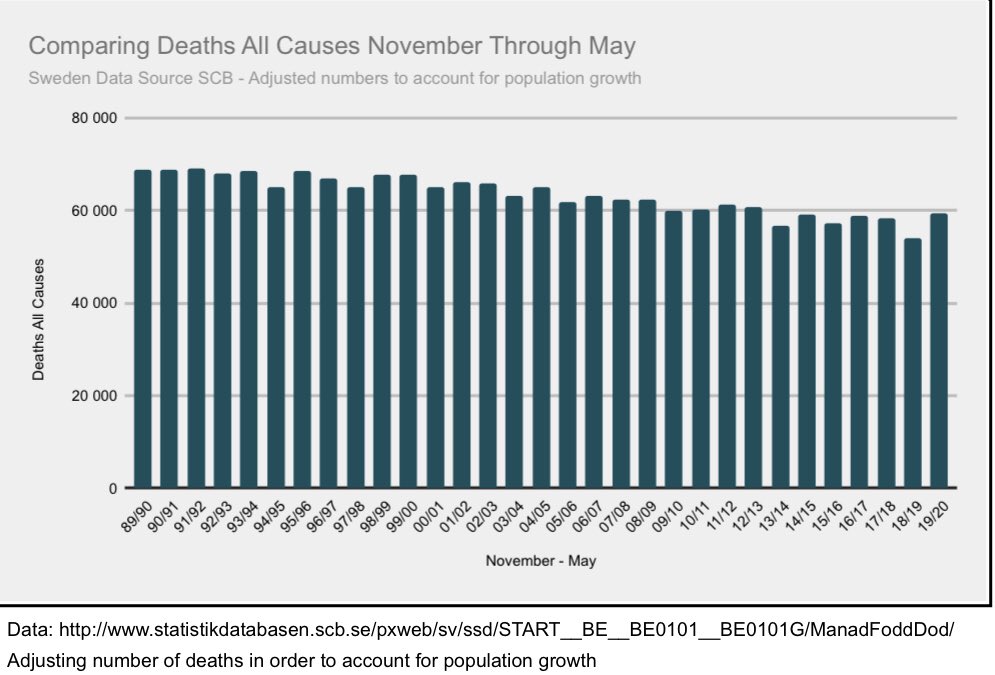
Sweden: All-cause mortality (Nov. to May) since 1990

US: Daily Covid deaths

US overall mortality 2020 vs. 2018

US: Age-adjusted death rate since 1900 (CDC)

US: Percentage of care home deaths

Percentage of care home deaths

US recessions in comparison

UK: Mortality 2020 vs. 2000

UK: Mortality 2020 (shifted) vs. 1999 and 2000

Switzerland: Mortality vs. expected value (2010-2020)

Germany: Mortality (2017 to 2020)

August 2020

A. General part
Pre-existing immunity against the new coronavirus

At the beginning of the Covid-19 pandemic, it was assumed that no immunity against the new coronavirus existed in the population. This was one of the main reasons behind the initial strategy of “flattening the curve” by introducing stay-at-home orders.

From March and April onwards, however, the first studies showed that a considerable part of the population already had a certain background immunity to the new virus, acquired through contact with earlier coronaviruses (common cold viruses). Nevertheless, it remains unclear to what extent this “background immunity” may indeed protect against the new coronavirus.

Further important studies on this topic were published in July:

· A new study from Germany came to the conclusion that up to 81% of people who have not yet had contact with the new coronavirus already have cross-reactive T-cells and thus a certain background immunity. This confirms earlier studies on T-cell immunity.

· In addition, a British study found that up to 60% of children and adolescents and about 6% of adults already have cross-reactive antibodies against the new coronavirus, which were created by contact with previous coronaviruses. This is probably another important aspect in explaining the very low rate of disease in children and adolescents.

· In the case of Singapore, a study published in the scientific journal Nature concluded that people who contracted SARS-1 in 2002/2003 still had T-cells that were reactive against the new SARS-2 coronavirus 17 years later. In addition, the researchers found cross-reactive T-cells, which were produced by contact with other, partly unknown coronaviruses, in about half of the people who had neither contracted SARS-1 nor SARS-2. The researchers suspect that the different distribution of such coronaviruses and T-cells may help explain why some countries are less affected than others by the new corona virus, regardless of the political and medical measures taken.

· Analysts have previously pointed out that many Pacific countries, and especially China’s neighbouring countries, have so far had very low Covid death rates, regardless of their population structure (young or old) and the measures taken (with or without lockdown, mass tests, masks, etc.). A possible explanation for this could be the spread of earlier coronaviruses.

· Harvard immunologist Michael Mina explained that the “drop in antibody concentration” after Covid disease, dramatized by some media, was “perfectly normal” and “textbook”. The body ensures long-term immunity through T-cells and memory cells in the bone marrow, which can quickly produce new antibodies when needed.

See also: Immunological studies on the new coronavirus

Other medical updates

Wuhan: A Harvard modelling study in the scientific journal Nature came to the conclusion that even in the Covid epicentre Wuhan, up to 87% of the infections went unnoticed, i.e. remained without symptoms or mild. This means that the Covid19 lethality (IFR) in Wuhan may also fall to about 0.1% or below. The Nature study confirms an earlier Japanese study in the journal BMC Medicine, which calculated an IFR of 0.12% for Wuhan already back in March.

However, Chinese authorities couldn’t yet know this comparatively low lethality in January and February and therefore built additional clinics at short notice, many of which eventually remained mostly unused. Only the systematic test results from South Korea and the cruise ship Diamond Princess showed that the lethality of the new corona virus in the general population is indeed lower than initially feared.

Italy: The Italian health authority ISS published a new analysis of the cause of death in about 5000 corona patients. According to this analysis, Covid was the direct cause of death in 89% of the cases. In 11%, other diseases such as heart problems, cancer or dementia were the primary cause of death. Covid was the sole cause of death in 28% of cases. It is also known that in about 4% of the deaths, no medical preconditions were present.

Covid lethality: In May, the US health authority CDC published a cautious “best estimate” of covid lethality (IFR) of 0.26% (assuming 35% asymptomatic infections). In July, a new IFR of 0.65% was published. However, this new value is not based on own calculations or new studies, but on a meta-study in which the existing literature was simply searched for all previous IFR values.

Thus, the meta-study mainly consists of previous modelling studies as well as “raw IFR values”, which are much too high compared to the actual, population-based IFR values from antibody studies. With few exceptions, the real IFR values are between 0.1% and 0.4%, and when mucosal and cellular immunity are taken into account, they are approximately 0.1% or less.

However, the virus has spread much faster than anticipated, thus causing a temporarily high death rate in some places, especially if nursing homes and hospitals got affected.

Non-infectious virus fragments: The U.S. CDC points out that in most Covid patients, infectious virus particles are no longer detectable ten to fifteen days after the first symptoms. However, non-infectious virus fragments (RNA) can still be found up to three months after the first symptoms. This is likely to be a significant problem with regard to PCR tests, as many people who have long since ceased to be infectious still test positive, triggering far-reaching tracing and quarantine false-alarms.

Deaths with or by or without coronavirus: In England and some other countries it has been reported that all deceased persons who tested positive for the new coronavirus since the beginning of the year were counted as Covid deaths – regardless of the time of the test, a possible recovery, and the actual cause of death. In the US state of Colorado, it was found that about 10% of deaths were with but not from coronavirus. In other US states, further cases of “corona deaths” became known that in reality were test-positive homicide victims and motorcycle accidents.

Children and schools

It has been known since March that the risk of disease and transmission in children is minimal in the case of Covid19. The main reason for this is probably a pre-existing immunity due to frequent contact with previous coronaviruses (i.e. cold viruses). There was and is therefore no medical reason for the closure of primary schools, kindergartens and day-care centres and for special protective measures in schools.

In the meantime, further studies on this issue have been published:

· The British epidemiologist Professor Mark Woolhouse stated that there is not a single confirmed case of infection of a teacher by a pupil worldwide.

· Tracing pioneer Iceland found “not a single case where a child under 10 infected their parents.”

· US CDC director Robert Redfield explained that additional deaths from suicides and drug overdoses by adolescents have been “far greater” than Covid deaths in recent months.

· A joint report from Sweden (without primary school closure) and Finland (with primary school closure) concluded that there was no difference in infection rates among children in the two countries.

· In the USA, three times more children up to 14 years of age have died of influenza than of Covid-19 (101 versus 31) since the beginning of the year, according to the CDC.

· A Canadian study found that most of the children with “Kawasaki-like” inflammatory symptoms had no corona infection at all. The disease in children is “very, very rare”, the researchers said.

· A German study came to the conclusion that children act epidemiologically “like brake blocks” and slow down the spread of the new corona virus.

Critical expert opinions

· The German virologist Hendrik Streeck advocates a pragmatic approach to the new coronavirus and targeted measures for people at high risk. According to Streeck, the long-term suppression of the virus and the hope for a possible vaccine are not sensible strategies.

· Professor Carl Heneghan, Director of the Oxford Centre for Evidence-Based Medicine, explains in an interview that there is still no evidence for the effectiveness of masks in the general population. A permanent suppression strategy like the one in New Zealand is not sensible and causes high damage in the long term. The lethality (IFR) of Covid-19 is about 0.1% to 0.3% and is thus comparable to previous flu epidemics and pandemics.

· The Swedish chief epidemiologist Anders Tegnell explains in an interview that eradication of the virus is not an option. In Sweden, the infections slowed down considerably even without a lockdown, and daily deaths now are close to zero. The evidence for the benefit of masks is still “very weak” and they might even be counterproductive. An introduction of masks at this point in time would make no sense. The lethality of Covid-19 is between 0.1% and 0.5% and does not “radically differ” from influenza.

· The epidemiologist and systems biologist Professor Francois Balloux, Director of the British UCL Genetics Institute, explains in an article that Covid-19 is comparable to a pandemic (but not seasonal) influenza. The main difference is the age-risk distribution: while Covid-19 is mainly dangerous for older people, a pandemic influenza is also life-threatening for younger people and children. Professor Balloux points out that the “Russian influenza pandemic” of 1889 may have been triggered by the coronavirus OC-43, which is now considered one of the four typical cold viruses.

· The Swiss chief physician for infectiology, Dr. Pietro Vernazza, pleads for a “controlled natural immunization” of society as an alternative to the “eradication strategy”. In most cases, Covid-19 is mild and the actual mortality rate is about 0.1%, which is in the range of a severe influenza. The Swedes “did nothing wrong” with their strategy, according to Vernazza.

· The former director of the Institute of Immunology at the University of Bern, Professor Beda Stadler, also pleads for a controlled spread of the virus. The danger of the virus had been overestimated due to the false assumption of a lack of immunity. Professor Stadler is critical of compulsory masks and mass tests. Stadler, who is now emeritus, explains that many younger immunologists no longer dare to speak out publicly on the subject due to the extreme polarisation of the debate by politics and the media.

On the other hand, Professor Karin Mölling, the former head of the Department of Virology at the University of Zurich and one of the earliest critical voices on corona measures, has now partly changed her opinion: Due to the sometimes serious lung damage, the virus should not be underestimated and containment measures are important.

The clinical picture of Covid-19

The lower-than-expected lethality of Covid-19 should not hide the fact that the new coronavirus, due to its efficient use of the human ACE2 cell receptor, in some cases can lead to severe disease with complications in the lung, the vascular and nervous systems and other organs, some of which can persist for months.

While it is true that most of these symptoms can also occur in severe influenza (including thrombosis, heart muscle inflammation, and the temporary loss of the sense of smell), they are indeed more frequent and more pronounced in the novel Covid-19 disease.

In addition, even apparently “mild” disease (without hospitalization) can in some cases lead to protracted complications with breathing problems, fatigue or other symptoms. The US CDC came to the conclusion that after one month, about one third of the “mild” cases still showed such symptoms. Even in the 18 to 34-year-olds without preconditions, about 20% still had after-effects.

On the positive side, researchers at a German clinic recently reported good chances of recovery: “We can see that the lungs can heal well, even in patients who have had three weeks of intensive care”. After three months, 20% of the intensive care patients had healthy lungs again, and in the remaining patients a clear regeneration was visible.

Nevertheless, the primary goal should be to avoid a progression of the disease.

On the treatment of Covid-19

Note: Patients are asked to consult a doctor.

Many countries adopted the strategy of imposing a lockdown during or after a wave of infection, thereby locking already infected high-risk individuals in their homes without treatment until they developed severe breathing problems and needed intensive care treatment immediately. Even today, test-positive high-risk persons are often simply quarantined without treatment.

This is not an ideal approach. Numerous studies and doctors’ reports have now shown that for people at high risk or with high exposure, early treatment immediately on onset of the first typical symptoms is crucial to avoid disease progression and hospitalization.

Studies and medical reports from various countries in Asia and the West recommend a combination protocol of zinc (which inhibits the RNA replication of coronaviruses), the antimalarial agent HCQ (which promotes the cellular uptake of zinc and has other anti-viral properties), and, if necessary, an antibiotic (to prevent bacterial superinfections) and a blood thinner (to prevent thrombosis and lung embolism).

Yale professor and physician Harvey A. Risch argues in a recent commentary that early treatment with HCQ and zinc as well as an antibiotic has proven to be “highly effective”. In the USA alone, according to Professor Risch, 70,000 to 100,000 deaths could have been prevented by the systematic use of HCQ. Risch is therefore calling for an immediate and prescription-free release of this medication, as is already the case in many other countries.

Meanwhile, a bizarre battle has broken out in western industrialised countries over the use of low-cost HCQ, which has been used successfully and safely for decades in the prevention and treatment of malaria and several other diseases. This battle appears to be driven in part by political and commercial interests and may produce a great many casualties.

Opponents of HCQ went as far as publishing falsified studies and using lethal doses during trials, as Dr. James Todaro explains, who uncovered one of these frauds that fooled top science journals, the WHO and health experts worldwide.

Many of these anti-HCQ activities are connected to pharmaceutical company Gilead, which wants to sell a drug that is over a hundred times more expensive (Remdesivir), but which is only used on intensive care patients and has some severe side effects.

In addition, a potentially effective early treatment stands in the way of the billion-dollar global vaccination strategy being pursued by numerous governments, pharmaceutical companies and vaccine investor Bill Gates. Directors of vaccine companies have already made about one billion dollars with stock and option gains alone, even without yet delivering a vaccine.

The hope for a safe and effective vaccine, however, remains questionable: Contrary to the positive media presentation, in the second test round of the RNA vaccine from the US company Moderna, 80% of the volunteers in the medium and high-dose groups (average age 33 years and healthy) reacted with moderate to severe side effects.

Read more: On the treatment of Covid-19

Bill Gates on vaccine side effects (CBS, July 23, 2020)

The effectiveness of face masks

Various countries are discussing or have already introduced mandatory face masks in the general population. In the updates of June and July, however, it was shown that the evidence for the effectiveness of cloth masks in the general population is still rather weak, contrary to what is reported in many media.

In previous influenza pandemics, cloth masks had no influence on the occurrence of infection. Despite masks, Japan had its last flu epidemic with more than five million diseased just one year ago, in January and February 2019. Even the outbreak of the Covid pandemic in Wuhan could not be stopped by the widespread use of masks there.

Due to the significantly lower hospitalisation and mortality rates of Covid-19 (compared to the original assumptions), masks are not necessarily required to “flatten the curve”. Masking only makes sense – if at all – in the context of a vaccination strategy that aims to suppress the virus until a vaccine is available.

BBC medical correspondent Deborah Cohen explained in mid-July that the partial update of the WHO recommendation on masks was due not to new evidence but “political lobbying”: “We had been told by various sources WHO committee reviewing the evidence had not backed masks but they recommended them due to political lobbying. This point was put to WHO who did not deny.”

The “political lobbying” is likely referring to the group “Masks for All”, which was founded by a “Young Leader” of the Davos forum and which is lobbying authorities and governments for a worldwide face mask obligation.

In connection with masks, the question also arises as to whether the new coronavirus can be transmitted over large areas by aerosols. According to experts, true aerosol transmission even outdoors still seems unlikely – otherwise the spread of the virus would have a different dynamic and, contrary to reality, would often be untraceable.

However, an aerosol-like transmission indoors – especially with closed air circulation by fans or during intensive activities such as singing and dancing – seems increasingly probable or certain due to various incidents.

In the case of aerosol transmission, however, cloth masks are likely to offer even less protection than against droplets due to their pore size and inaccurate fit. This was demonstrated, for example, by the corona outbreak at the German meat processor Toennies, which occurred at an air-conditioned workplace over a distance of up to eight metres despite the requirement to wear masks.

On the question of “asymptomatic transmission”, it can currently be said that true asymptomatic transmission still seems to be rare (which may explain the very low transmission rate in children), whereas pre-symptomatic transmission in the days before the first symptoms appear (with already high virus load) is very likely and may explain the rapid spread of the virus.

Pre-symptomatic transmission is also known from influenza, but the incubation period of influenza is much shorter, so this may be somewhat less relevant.

The following expert reviews and articles critically examine the effectiveness of cloth masks in the general population:

· Profs. Tom Jefferson and Carl Heneghan (Oxford): Masking lack of evidence with politics

· Dr. Lisa Brosseau and Dr. Margaret Sietsema, Center for Infectious Disease Research and Policy, University of Minnesota: Masks-for-all for COVID-19 not based on sound data

· Professor Michael T. Osterholm, Center for Infectious Disease Research and Policy, University of Minnesota: My views on cloth face coverings for the public for preventing COVID-19

· Naoya Kon: Cloth face masks offer zero shield against virus, a study shows

· Eliza McGraw: Everyone wore masks during the 1918 flu pandemic. They were useless.

The Swedish chief epidemiologist Anders Tegnell recently stated that the introduction of masks at this point in time, and even in public transport, would be “pointless” in view of the rapidly decreasing number of cases in Sweden. The Dutch government has stated that it will not in general recommend masks because the scientific evidence for their effectiveness is weak.

On the other hand, face masks are not harmless, as the following evidence shows:

· The WHO warns of various “side effects” such as difficulty breathing and skin rashes.

· Tests conducted by the University Hospital of Leipzig have shown that face masks significantly reduce the resilience and performance of healthy persons.

· A German psychological study with about 1000 participants found “severe psychosocial consequences” due to the introduction of mandatory face masks in Germany.

· The Hamburg Environmental Institute warned against the inhalation of chlorine compounds in polyester masks as well as problems in connection with disposal.

· The European rapid alert system RAPEX has already recalled 70 mask models because they did not meet EU quality standards and could lead to “serious risks”.

· In China, two boys who had to wear a mask during sports classes fainted and died.

· In the US, a car driver wearing an N95 (FFP2) mask fainted and crashed into a pole.

Conclusion: It is still possible that cloth masks can slow down the rate of infection in the general population, but the evidence for this is currently limited and the potential benefits are mainly relevant in the context of a long-term and still uncertain vaccination strategy.

Read more: Are face masks effective? The evidence.

Is Covid-19 a pure “test epidemic”? Certainly not.

Some particularly skeptical observers still seem to perceive Covid-19 mainly or solely as a “test epidemic”. However, this position has been untenable for months already.

The best known “test epidemic” is the so-called swine flu of 2009/2010, a rather mild influenza virus that only caused worldwide anxiety due to mass testing and media panic. A commission of the Council of Europe later called the swine flu a “fake pandemic” and a “big pharma fraud”.

What was noteworthy at the time was that a few months earlier, the WHO changed its pandemic guidelines and removed the criterion of increased lethality. In addition, pharmaceutical companies signed secret contracts worth billions with governments for a vaccine that later led to sometimes serious neurological damage and had to be disposed of for the most part.

Finally, researchers discovered that the swine flu virus itself probably originated from vaccine research and was released through a leak (or worse).

On the other hand, due to its special characteristics – in particular the very efficient use of the ACE2 cell receptor – the new coronavirus is a rather dangerous and easily transmissible SARS virus which can cause severe damage to the lungs, blood vessels and other organs. The good fortune is that many people already have a certain immunity to the new virus or at least are able to neutralize it on the mucosal membrane.

Covid-19 is therefore a real and serious pandemic and comparable to the (still stronger) flu pandemics of 1957/58 (Asian flu) and 1968 to 1970 (Hong Kong flu). The comparison with the swine flu of 2009 is only possible because the deaths caused by swine flu were greatly exaggerated.

(On the other hand, it should be remembered that during the 1968/1970 flu pandemic – or rather in the summer between the two main waves – the famous Woodstock festival was held and social life mostly went on as usual).

However, it can be argued that the real Covid19 pandemic has been amplified by a “test pandemic” due to mass testing in the general population, causing additional panic and high costs.

Stanford Professor Scott Atlas argued already in May that mass testing in the general population is of little use and that testing should instead be limited to vulnerable institutions such as nursing homes and hospitals (including for visitors).

Daily mass testing is also not effective because, according to antibody studies, the virus is already much more widespread than PCR tests show, anyway. Moreover, the tests are susceptible to false-positive (and false-negative) results and non-infectious virus fragments.

Countries such as Japan, Sweden and Belarus have shown that the pandemic can be controlled without a lockdown and without mass testing – and in the case of Sweden and Belarus also without masks – as long as the sensitive facilities are protected.

Conclusion: Covid-19 is a real and serious pandemic comparable to the (still stronger) influenza pandemics of 1957 and 1968, but in addition to the real Covid-19 pandemic, there is indeed a “test pandemic” that causes unnecessary panic and high costs.

Covid-19: real pandemic and test pandemic

The origin of the new coronavirus

The origin of the new SARS coronavirus remains unclear. However, researchers with access to Chinese documents were able to show in May that the closest related coronavirus was found in a mine in southwest China, where six miners contracted Covid-like pneumonia in 2012 and three of them died.

The miners’ illness was clinically virtually identical to today’s (severe) Covid-19, which is why some analysts have proposed to call the disease Covid-12 instead of Covid-19.

The Virological Institute in Wuhan received virus samples from the mine as well as from the tissue of the deceased miners in 2012 and 2013. It is conceivable that this virus escaped from the laboratory in autumn 2019.

In addition to the Chinese institute, however, the US health authority CDC and the US Department of Defense have also been shown to be working with SARS-like viruses from bats. The US NGO “Eco Health Alliance” cooperated on this issue with both the US Pentagon and the Virological Institute in Wuhan.

Direct transmission by an animal is also still conceivable, although previous candidates such as the well-known animal market in Wuhan or the Pangolin theory have been ruled out by experts in the meantime.

Read more: Origin of Covid-19 Virus: The Mojiang Miner Hypothesis

B. Countries and regions
USA

The USA is one of the countries most affected by the new coronavirus so far. This could have political and medical reasons.

Medically, there are many relevant pre-existing conditions in the US population, such as obesity, heart problems and diabetes. Air conditioning systems could promote aerosol-like transmission indoors. Politically, there have been serious mistakes in dealing with nursing homes, misplaced incentives in the treatment of patients, and problematic back-and-forth with lockdowns.

· The US already has over 150,000 corona deaths, putting it in the range of a pandemic influenza, comparable to the 1957 and 1968 pandemics.

· 45% of corona deaths occurred in nursing homes. Over 50% of all deaths occurred in the six states that actively placed Covid patients in nursing homes.

· For people of school and work age (up to 65), corona mortality is comparable to mortality from other pneumonia diseases (e.g. influenza), according to the CDC. For children and adolescents, Covid is three times less dangerous than influenza.

· A nationwide antibody study showed that the new coronavirus is 6 to 24 times more widespread than assumed on the basis of PCR tests, depending on the region. However, the antibody levels are still in the single-digit percentage range in most regions, indicating that exposure to the coronavirus is less much less than 50% in many places.

· While the number of daily positive tests reached a peak in mid-July due to the high number of tests, the number of daily deaths was only half as high as in April, although recently with a slight upward trend again (see graph below).

· In Florida there were reports of at times allegedly very high positivity rates. However, an analysis showed that various laboratories only reported the number of positive tests and thus an apparent positivity rate of 100%. The actual positivity rate in Florida was mostly in the single-digit percentage range. In terms of deaths per capita, Florida remains in the lower midfield compared to the other states.

· The median age of Covid deaths in the USA is 78.5 years. This is higher than the median age of “other deaths”, but lower than the median age of Covid deaths in Europe (80 to 86).

· Yale professor and epidemiologist Harvey A. Risch recently called for immediate over-the-counter availability of HCQ for the early treatment of Covid disease.

· A group of doctors calling itself “America’s Frontline Doctors” held a press conference with the same goal of making HCQ available. The video of the press conference was seen by 20 million people within a day before it was deleted by Facebook & Co. as “misinformation”.

US: Age-adjusted death rate since 1900 (CDC)

US: Daily Covid deaths

Covid deaths: New York vs. Florida (Paul Yowell)

US: Percentage of care home deaths

Great Britain

· In England and Wales there have been about 50,000 corona deaths so far. The overall mortality rate is thus still about 10,000 deaths below the strong flu epidemic of 1999/2000.

· There has been no excess mortality among those under 45 years of age compared to the last five years.

· The cumulative corona deaths since March correspond almost exactly to the cumulative influenza and pneumonia deaths since the start of the winter season in December 2019.

· Since mid-June, England and Wales have been in relative under-mortality and daily corona deaths have been below daily influenza and pneumonia deaths since then.

· By mid-April, 45% of NHS nursing staff had already been infected with corona. A significant proportion of patients may have been infected with corona in hospital. Corona patients were also transferred to nursing homes in England, which led to additional deaths.

England: Deaths in 2020 versus 2000 (InProportion

)

France

France was relatively hard hit by the corona pandemic and registered about 30,000 corona deaths by the end of May according to the health authority SPF. About 50% of these deaths occurred in nursing homes, the average age of the deaths is 81.3 years. The median age of intensive care patients was about 67 years.

The region around Paris, eastern France and northern France were particularly hard hit, while large parts of western France and southwestern France were hardly affected at all (so far).

So although only part of France was affected by Covid, the cumulative excess mortality since the beginning of the year (compared to the baseline) is about 50% higher than during the seasonal flu waves of the past five years. In Greater Paris, the excess mortality rate is even around 500% or 10,000 people higher than in previous years (see graphs below).

Covid deaths accounted for around 16% of all deaths nationwide, but in Greater Paris, the figure was almost 40% of all deaths from early March to late May. The weekly peak mortality due to Covid-19 is comparable to the record hot summer of 2003 (see graph below).

Didier Raoult, a well-known professor of medicine and HCQ pioneer from Marseille, criticized the lack of early treatment and the ban on HCQ at a parliamentary hearing at the end of June. Until 2019, HCQ was available in France without prescription. At the beginning of the pandemic, however, its use was restricted to clinics and eventually banned altogether. The reason for the ban was the falsified Lancet study from the end of May (which was later retracted).

In his clinic, Prof. Raoult had been able to reduce the case fatality rate to a very low 0.9% by early treatment with HCQ, according to a published retrospective analysis.

France: Excess mortality 2015-2020

France: Excess mortality in Paris Region (IDF) and Eastern France, 2015-2020

France: Weekly mortality since 2003

France: Regional excess mortality, March to May 2020

Charts and report: Santé Public France

Germany

Germany counts only about 9000 corona deaths and has not experienced any significant excess mortality (in population-adjusted terms there was even a slight undermortality).

At the end of June, however, only 1.3% of blood donors had IgG antibodies against the new coronavirus. This value is very low. Even if non-blood donors (including children and sick persons), T-cells and mucosal (IgA) immunity are taken into account, exposure of the population to the virus is hardly more than 10% to 15%.

This means that the new coronavirus has not yet spread widely in Germany. The measures or – more likely – the anticipation of the measures by the population therefore seem to have been “successful” in this sense (see graph below).

On the other hand, this means that epidemiologically, Germany is essentially still where it was in April and that the risk of a new and stronger increase in infections and disease is indeed real. The comparison with France shows what this can entail.

The German government currently seems to be following a suppression and vaccination strategy. This strategy is socially and economically costly and its success remains uncertain. As an alternative or addition, an early treatment concept should be examined.

The political corona situation in Germany remains tense. Repeatedly, sanctions have been imposed on doctors, professors, lawyers and civil servants who are critical of corona, and in some cases serious attacks occurred against skeptical journalists and activists.

Since June, an extra-parliamentary committee of inquiry consisting of lawyers and medical experts has been dealing with the German Corona government policy. It should not be forgotten, however, that the corona pandemic in Germany is probably not yet over, given that by the end of June, only 1.3% of blood donors had IgG antibodies against the virus.

Germany: Covid ICU patients and deaths plus measures and events (Source: CIDM)

Switzerland

· The Swiss annual excess mortality is currently close to zero (see graph), which is below most flu waves of the last ten years. This is due to the mild winter and the very high median age of the approximately 1700 corona deaths (84 years). About 50% of the deaths occurred in nursing homes. The effect of the lockdown remains questionable.

· In the former hotspots Ticino and Geneva, IgG antibody levels in May were about 10%, about ten times higher than found by daily PCR tests. Taking mucosal and cellular immunity into account, exposure in southern and western Switzerland could already be around 50%. In German-speaking Switzerland, however, exposure is likely to be lower. The risk of a “second wave” is therefore real.

· In principle, the Swiss government is pursuing a suppression and vaccination strategy, which it is supplementing with mass testing, contact tracing and compulsory masking. As an alternative, infectiologist Dr. Pietro Vernazza brought up the idea of controlled exposure with protection of risk groups based on the Swedish model.

· Switzerland still has no early treatment strategy and thus risks an unnecessarily high hospitalisation and death rate.

· Sweden and Belarus, both of which managed the corona pandemic without a lockdown and without compulsory masks, have been removed from the Swiss list of “high-risk countries” in mid-July. Sweden had previously put Switzerland on its own high-risk list. In fact, the increase in Swedish “cases” was solely due to an increase in tests.

· A referendum was launched against the corona tracing app “SwissCovid”. The initiators are raising data protection and security concerns. Previously, Swiss Professor Serge Vaudenay published a critical analysis of the app, which isn’t as transparent as claimed, leaving Google and Apple in control, Vaudenay said.

· A referendum is also being prepared against the Swiss “Covid-19 Law”, which extends the Corona emergency law until the end of 2022. In addition, a petition has been launched calling for an extra-parliamentary commission of inquiry into the corona measures.

· A flyer campaign against the compulsory use of masks in public transport also caused a stir. The director of the BAG hastily called the arguments of the critics “fake news”.

· Infosperber: The Covid-19 task force massively exaggerated the benefits of masks

· For more current and critical corona analyses see corona-transition.org

Switzerland: Cumulative mortality versus expectation value (2010-2020)

Sweden

· In Sweden, daily corona deaths are now close to zero. The overall mortality rate is in the range of earlier strong flu waves. Even the monthly peak mortality (in April 2020) remained below the strong flu waves of the 1990s.

· The example of Sweden (and Belarus) shows that a lockdown was not necessary if the population and institutions were well prepared. However, from the perspective of many lockdown advocates – governments and the media – this is very difficult to admit.

· Sweden is one of the few Western countries that – on the basis of the medical evidence – has not closed its primary schools. This decision was correct, too.

· Sweden made two real mistakes, which ironically are not covered by most of the media: 1) The nursing homes in the Stockholm area were protected too late and caused over 50% of Swedish deaths. 2) Sweden had no early treatment strategy that could have reduced the hospitalisation and death rates.

· Swedish cities showed an IgG antibody prevalence between 10% and 20% in July, which, together with mucosal and cellular immunity, indicates that the population was exposed between 50% and 100%. Sweden is therefore probably the best placed of all western countries to start the coming winter.

The following graphs compare the deaths in Sweden with those in England and New York.

Corona deaths: Sweden vs. England

Corona deaths: Sweden vs. New York

Charts: Paul Yowell

India

India, which relies on early treatment and even prophylaxis with the antimalarial drug HCQ, officially counts only about 35,000 corona deaths among its 1.3 billion people.

An Indian antibody study came to the conclusion that around 23% of the 20 million inhabitants of the Indian capital Delhi already have antibodies against the new corona virus. This is about 35 times more people than confirmed by PCR tests.

This means that Delhi (and some other major cities) could already be beyond or near the herd immunity threshold, taking into account mucosal and cellular immunity.

Latin America

Brazil has by now suffered 90,000 Covid deaths and thus ranges between the Netherlands and France in terms of deaths per population. In the meantime, Brazil has introduced an early treatment concept based on zinc and HCQ.

Chile and Peru currently have an even higher death rate than Brazil (based on population). With close to 20,000 deaths, Peru is in the range of Italy and Spain.

C. Political notes

· The US economy contracted by an annualized 32.9% in the second quarter, the highest rate since 1947. The second highest decline was in 1958 (10%) – in the wake of the Asian flu pandemic.

· In the US, up to 28 million people might lose their homes due to corona lockdowns and the economic downturn, which could trigger a new mortgage crisis.

· The German economy contracted by 10.1% in the second quarter compared with the same quarter of the previous year – the biggest decline since 1970.

· According to the UN, the corona lockdowns and the global economic depression could plunge up to 225 million people worldwide into a famine by the end of the year.

· The EU Commission demands or plans the “networking” of national corona tracing apps.

· The NGO Privacy International warns of a “looming disaster” with immunity passports and digital identity cards.

· The authoritarian government of Turkmenistan apparently banned the use of the word “coronavirus”. Consequently, there are no coronavirus deaths in the country, at least officially. Those who wear a mask are arrested by police, Reporters without Borders said.

July 2020

On the development of the pandemic

In most Western countries, the peak of coronavirus infections was already reached in March or April and often before the lockdown. The peak of deaths in most Western countries was in April. Since then, hospitalizations and deaths have been declining in most Western countries (see graphs below).

This development also applies to countries without a lockdown, such as Sweden, Belarus and Japan. Cumulative annual mortality in most western countries continues to be in the range of a mild (e.g. CH, AT, DE) to strong (e.g. USA, UK) influenza season.

After the end of the lockdowns, the number of corona tests in the low-risk general population has increased strongly in many countries, for example in connection with people returning to work and school.

This led to a certain increase in positive test results in some countries or regions, which was portrayed by many media and authorities as an allegedly dangerous increase in “case numbers” and sometimes led to new restrictions, even if the rate of positive tests remained very low.

“Case numbers” are, however, a misleading figure that cannot be equated with sick or infected people. A positive test can, for example, be due to non-infectious virus fragments, an asymptomatic infection, a repeated test, or a false-positive result.

Moreover, counting alleged “case numbers” is not meaningful simply because antibody tests and immunological tests have long shown that the new coronavirus is up to fifty times more widespread than assumed on the basis of daily PCR tests.

Rather, the decisive figures are the number of sick people, hospitalisations and deaths. It should be noted, however, that many hospitals are now back to normal operation and all patients, including asymptomatic patients, are additionally tested for the coronavirus. Therefore, what matters is the number of actual Covid patients in hospitals and ICUs.

In the case of Sweden, for example, the WHO had to withdraw the classification as a “risk country” after it became clear that the apparent increase in “cases” was due to an increase in testing. In fact, hospitalisations and deaths in Sweden have been declining since April.

Some countries have already been in a state of below-average mortality since May. The reason for this is that the median age of corona deaths was often higher than the average life expectancy, as up to 80% of deaths occurred in nursing homes.

In countries and regions where the spread of the coronavirus has so far been greatly reduced, it is nevertheless entirely possible that there will be a renewed increase in Covid patients. In these cases, early and effective treatment is important (see below).

Global Covid-19 mortality is currently – despite the significantly older population nowadays – a whole order of magnitude below the flu pandemics of 1957 (Asian flu) and 1968 (Hong Kong flu) and in the range of the rather mild “swine flu pandemic” of 2009.

The following charts illustrate the discrepancy between “cases” and deaths:

The following charts compare Covid mortalities to earlier flu seasons (more):

The following chart compares deaths in Sweden (no lockdown) New York State:

Deaths in Sweden versus New York State (FEE/Paul Yowell)

The following chart compares the Covid-19 pandemic to earlier pandemics:

Global Covid mortality compared to earlier pandemics (DB Research)

On the lethality of Covid-19

Most antibody studies have shown a population-based Infection Fatality Rate (IFR) of 0.1% to 0.3%. The US health authority CDC published in May a still cautious “best estimate” of 0.26% (based on 35% asymptomatic cases).

At the end of May, however, an immunological study by the University of Zurich was published, which for the first time showed that the usual antibody tests that measure antibodies in the blood (IgG and IgM) can detect at most about one fifth of all coronavirus infections.

The reason for this is that in most people the new coronavirus is already neutralised by antibodies on the mucous membrane (IgA) or by cellular immunity (T cells) and no symptoms or only mild symptoms develop.

This means that the new coronavirus is probably much more widespread than previously assumed and the lethality per infection is around five times lower than previously estimated. The real lethality could therefore be significantly below 0.1% and thus in the range of influenza.

At the same time, the Swiss study may explain why children usually develop no symptoms (due to frequent contact with previous corona cold viruses), and why even hotspots such as New York City found an antibody prevalence (IgG/IgM) of at most 20% – as this already corresponds to herd immunity.

The Swiss study has in the meantime been confirmed by several more studies:

1. A Swedish study showed that people with mild or asymptomatic disease often neutralized the virus with T-cells without the need to produce antibodies. Overall, T-cell immunity was about twice as common as antibody immunity.

2. A large Spanish antibody study published in Lancet showed that less than 20% of symptomatic people and about 2% of asymptomatic people had IgG antibodies.

3. A German study (preprint) showed that 81% of the people who had not yet had contact with the new corona virus already had cross-reactive T-cells and thus a certain background immunity (due to contact with previous corona cold viruses).

4. A Chinese study in the journal Nature showed that in 40% of asymptomatic persons and in 12.9% of symptomatic persons no IgG antibodies are detectable after the recovery phase.

5. Another Chinese study with almost 25,000 clinic employees in Wuhan showed that at most one fifth of the presumably infected employees had IgG antibodies (press article).

6. A small French study (preprint) showed that six of eight infected family members of Covid patients developed a temporary T-cell immunity without antibodies.

Video interview: Swedish Doctor: T-cell immunity and the truth about Covid-19 in Sweden

In this context, a US study in the journal Science Translational Medicine, using various indicators, concluded that the lethality of Covid-19 was much lower than originally assumed, but that its spread in some hotspots was up to 80 times faster than suspected, which would explain the rapid but short-duration increase in patients.

A study in the Austrian ski resort of Ischgl, one of the first European “corona hotspots”, found antibodies in 42% of the population. 85% of the infections went “unnoticed” (i.e. very mild), about 50% of the infections went completely without (noticeable) symptoms.

The high antibody value of 42% in Ischgl was due to the fact that Ischgl also tested for IgA antibodies in the blood (instead of only IgM/IgG). Additional tests for mucosal IgA and for T-cells would undoubtedly have shown even higher immunity levels close to herd immunity.

Ischgl saw two Covid-related deaths (both of them men over 80 with preconditions), resulting in a ‘crude IFR’ of 0.26%. Considering the population structure and the actual extent of immunity, the population-based Covid lethality is likely to be below 0.1%

Due to its rather low lethality, Covid-19 falls at most into level 2 of the five-level pandemic plan developed by US health authorities. For this level, only the “voluntary isolation of sick people” is to be applied, while further measures such as face masks, school closings, distance rules, contact tracing, vaccinations and lockdowns of entire societies are not recommended.

The new immunological results also mean that “immunity passports” and mass vaccinations are unlikely to work and are therefore not a useful strategy.

Some media continue to speak of allegedly much higher Covid lethality levels. However, these media refer to outdated simulation models, confuse mortality and lethality, or CFR and IFR, or “raw IFR” and population-based IFR. More about these errors here.

In July, an antibody prevalence of allegedly up to 70% was reported in some New York City districts. However, this is not a population-based figure, but rather antibodies in people who had visited an urgent care center.

The following graph shows the actual development of corona deaths in Sweden (no lockdown, no face mask obligation) compared to the forecasts of Imperial College London (orange: no measures; grey: moderate measures). Swedish annual all-cause mortality actually is in the range of a medium flu wave and 3.6% lower than in previous years.

Corona deaths in Sweden: ICL prediction versus reality (HTY/FOHM)

On the health risks of Covid-19

Why is the new coronavirus harmless for many people, but very dangerous for some people? The reason has to to with special features of the virus and the human immune system.

Many people, including almost all children, can neutralise the new corona virus with an existing immunity (due to contact with previous corona cold viruses) or through antibodies on the mucous membranes (IgA), without it causing much damage.

However, if this does not succeed, the virus can penetrate the organism. There the virus can cause complications in the lung (pneumonia), the blood vessels (thromboses, embolisms), and other organs due to its efficient use of the human ACE2 cell receptor.

If in this case the immune system reacts too weakly (in older people) or too strongly (in some younger people), the course of the disease can become critical.

It has also been confirmed that the symptoms or complications of serious Covid-19 disease can last for weeks or even months in some cases.

Therefore, the new coronavirus should not be underestimated and early and effective treatment is absolutely crucial for patients at risk.

In the longer term, the new coronavirus could develop into a typical cold virus, similar to the coronavirus NL63, which also uses the ACE2 cell receptor and nowadays affects primarily young children and nursing patients, causing upper and lower respiratory tract infections.

On the treatment of Covid-19

Note: Patients are asked to consult a doctor.

Several studies have now confirmed what some front-line physicians have been saying since March: Early treatment of Covid patients with zinc and the malaria drug hydroxychloroquine (HCQ) is indeed effective. US doctors have reported a reduction in hospitalisation rates of up to 84% and a stabilisation of the health condition often within a few hours.

Zinc has antiviral properties, HCQ supports zinc absorption and has additional antiviral properties. These drugs are supplemented by doctors if necessary with an antibiotic (to prevent a bacterial superinfection) and a blood thinner (to prevent infection-related thromboses and embolisms).

The alleged or actual negative results with HCQ in some studies were based, according to the current state of knowledge, on delayed use (intensive care patients), excessive doses (up to 2400mg per day), manipulated data sets, or ignored contraindications (e.g., favism or heart problems).

Sadly, the WHO, many media and some authorities may have caused considerable and unnecessary damage to public health in recent months through their negative stance, which may have been politically motivated or influenced by pharmaceutical interests.

French professor of medicine Jaouad Zemmouri, for example, estimates that Europe could have avoided up to 78% of Covid deaths by adopting a consistent HCQ treatment strategy.

HCQ contraindications such as favism or heart problems need to be considered, but the recent Ford Medical Center study achieved a reduction in hospital deaths of around 50% even with 56% African-American patients (who more often have favism).

However, the crucial point in the treatment of high-risk patients is early intervention as soon as the first typical symptoms develop and even without a PCR test in order to prevent progression of the disease and avoid intensive care hospitalization.

Most countries did the exact opposite: after the infection wave in March, they imposed a lockdown, so that infected and frightened people were locked up in their homes without treatment and often waited until they developed severe respiratory distress and had to be taken directly to the intensive care unit, where they were often sedated and intubated and were likely to die.

It is conceivable that a zinc HCQ combination protocol, which is simple, safe and inexpensive, could make more complex drugs, vaccinations and measures largely obsolete.

More recently, a case study from France showed that in four of the first five patients treated with the much more expensive drug Remdesivir from the pharmaceutical company Gilead, treatment had to be discontinued due to liver issues and kidney failure.

Read more: On the treatment of Covid-19

On the effectiveness of masks

Various countries have introduced or are currently discussing the introduction of mandatory masks in public transport, in shopping malls, or generally in public.

Some may argue that the discussion has become largely obsolete because of the lower-than-expected lethality and hospitalization rate of Covid-19 and the available treatment options, which have mostly eased the initial concern of “flattening the curve”.

Nevertheless, the question of the effectiveness of masks can be asked. In the case of influenza epidemics, the answer is already clear from a scientific point of view: masks in everyday life have no or very little effect. If used improperly, they can even increase the risk of infection.

Ironically, the best and most recent example of this is the often-mentioned Japan: Despite its ubiquitous masks, Japan experienced its most recent strong flu wave – with around five million people falling ill – just one year ago, in January and February 2019.

However, unlike SARS corona viruses, influenza viruses are transmitted also by children. Indeed, Japan had to close around ten thousand schools in 2019 due to acute outbreaks of the flu.

With the SARS 1 virus of 2002 and 2003, there is some evidence that medical masks can provide partial protection against infection. But SARS-1 spread almost exclusively in hospitals, i.e. in a professional environment, and hardly to the general public at large.

In contrast, a study from 2015 showed that the cloth masks in use today are permeable to 97% of viral particles due to their pore size and can further increase the risk of infection by storing moisture.

Some studies recently argued that everyday masks are nevertheless effective in the case of the new coronavirus and could at least prevent the infection of other people. However, these studies suffer from poor methodology and sometimes show the opposite of what they claim.

Typically, these studies ignore the effect of other simultaneous measures, the natural development of infection numbers, changes in test activity, or they compare countries with very different conditions.

An overview:

1. A German study claimed that the introduction of compulsory masks in German cities had led to a decrease in infections. But the data does not support this: in some cities there was no change, in others a decrease, in others an increase in infections (see graph below). The city of Jena, presented as a model, simultaneously introduced the strictest quarantine rules in Germany, but the study did not mention this.

2. A study in the journal PNAS claimed that masks had led to a decrease in infections in three hotspots (including New York City). This did not take into account the natural decrease in infections and other measures. The study was so flawed that over 40 scientists recommended that the study be withdrawn.

3. A US study claimed that compulsory masks had led to a decrease in infections in 15 states. The study did not take into account that the incidence of infection was already declining in most states at that time. A comparison with other states was not made.

4. A Canadian study claimed that countries with compulsory masks had fewer deaths than countries without compulsory masks. But the study compared African, Latin American, Asian and Eastern European countries with very different infection rates and population structures.

5. A meta-study in the journal Lancet claimed that masks “could” lead to a reduction in the risk of infection, but the studies considered mainly hospitals (Sars-1) and the strength of the evidence was reported as “low”.

The medical benefit of compulsory masks therefore continues to remain questionable. A comparative study by the University of East Anglia, for instance, came to the conclusion that compulsory masks had no measurable effect on the incidence of Covid infections or deaths.

It is also clear that widespread use of face masks couldn’t stop the initial outbreak in Wuhan.

Sweden showed that even without a lockdown, without mandatory masks and with one of the lowest intensive care bed capacities in Europe, hospitals need not be overburdened. In fact, Sweden’s annual all-cause mortality has remained in the range of previous flu seasons.

At any rate, authorities shouldn’t suggest to the population that mandatory masks reduce the risk of infection, for example in public transport, as there is no evidence of this. Whether with or without masks, there is an increased risk of infection in densely packed indoor areas.

Interestingly, the demand for a worldwide obligation to wear masks is led by a lobby group called “masks4all” (masks for all), which was founded by a “young leader” of the Davos forum.

Mandatory masks in German cities: no relevant impact. (IZA 2020)

The role of contact tracing

Numerous countries have introduced smartphone apps and special units for “contact tracing”. However, there is no evidence that these can make an epidemiologically relevant contribution.

In the case of tracing pioneer Iceland, the app has largely failed, in Norway it was stopped for data protection reasons, in India, Argentina, Singapore and other countries it became mandatory after all, in Israel contact tracing is operated directly by the secret service.

A WHO study on influenza pandemics in 2019 came to the conclusion that contact tracing is not useful from an epidemiological point of view and “is not recommended in any circumstances”. The typical area of application is rather sexually transmitted diseases or food poisoning.

Moreover, serious concerns about data protection and civil rights remain.

NSA whistleblower Edward Snowden warned as early as March that governments could use the corona crisis as an occasion or pretext for expanding global surveillance and control, thus creating an “architecture of oppression”.

A whistleblower who had taken part in a training program for contact tracers in the US described it as “totalitarian” and a “danger to society”.

Swiss computer science professor Serge Vaudenay showed that the contact tracing protocols are by no means “decentralized” and “transparent”, because the actual functionality is implemented through a Google and Apple interface (GAEN) that is not “open source”.

This interface has now been integrated by Google and Apple into three billion mobile phones. According to Prof. Vaudenay, the interface may record and store all contacts, not just those that are medically “relevant”. A German IT expert, for his part, described tracing apps as a “Trojan horse”.

For more information on “contact tracing”, see the June update.

See also: Inside the NSA’s Secret Tool for Mapping Your Social Network (Wired)

“Contact Tracing” powered by Google und Apple

On the origin of the new coronavirus

In the June update it was shown that renowned virologists consider a laboratory origin of the new coronavirus to be “at least as plausible” as a natural origin. This is due to some genetic peculiarities of the virus in the receptor binding domain, which lead to high infectivity in humans.

In the meantime, further evidence for this hypothesis has emerged. More in these articles:

· Covid-19 Virus Origin: The Mojiang Miners Passage Hypothesis (SPR)

· Seven year coronavirus trail from bat cave via Wuhan lab (London Times)

· Pentagon biolab discovered MERS and SARS-like coronaviruses in bats (DG)

Developments since the beginning of 2020 show that the new coronavirus cannot be seen as a “bioweapon” in the strict sense of the term, as it is not deadly enough and not targeted enough. However, it may well cause fear among the population and be exploited politically.

Nevertheless, besides a potential lab origin, a natural origin continues to be a realistic possibility, even though the “Wuhan wet market” hypothesis and more recently the pangolin hypothesis have in the meantime been ruled out by experts.

The Wuhan Institute of Virology (WIV)

Was it a Laser Weapon in Beirut?

Not a nuke but a directed energy laser weapon might have zapped Beirut. Who could have done it?!

Was ‘Beirut’ A Botched Act of Deterrence?

ALASTAIR CROOKE via Russia in Global Affairs

Director of Conflicts Forum, a small geo-political and geo-financial consultancy, and adviser to a number of larger geo-financial entities. He was formerly advisor on Middle East issues to Javier Solana, the EU Foreign Policy Chief. He has worked in the region for 35 years, including managing a number of ceasefires in the Occupied Territories on behalf of the European Union and working on a number of hostage cases.

Most Lebanese do want reform – their anger is real and justified. But the price of western-led ‘IMF-reforms’ – austerity, higher taxes, the end to subsidies, and the expulsion of Hizbullah from all positions of responsibility – will amount to a cost impossible for any government to bear – with some 44% of the Lebanese population slipping towards the poverty level. Equally, most, of course, will not accept to be placed under a new colonial mandate. What happens next?

Dr Uzi Rubin, the founder and first director of the Israel Missile Defence Organization (which developed the state’s first national missile defence shield), wrote — in wake of the 14 September 2019 attack on Abqaiq, (the Saudi Armco oil facility) that it was: “A brilliant feat of arms. It was precise, carefully-calibrated, devastating yet bloodless – a model of a surgical operation … The planning and execution of the operation was flawless … The two formations of incoming threats – each following a different flight path to its assigned target – was neither detected by Saudi Arabia’s air traffic control nor by its air defence sensors. Neither were they detected by the US air control systems deployed in the area, nor by US satellites … This had nothing to do with flaws in the air and missile defence systems; but with the fact that they were not designed to deal with ground-hugging threats. Simply put, the Iranians outfoxed the defence systems”.

Dr Rubin did not spell it out in ‘black and white’, but this was hardly needed: The implication was that Israel has no defence against an Abqaiq-style attack – and none against Hizbullah’s ability to overwhelm Israel’s air defences by ‘swarming’ them with too many incoming missile targets (Hizbullah has tens of thousands of missiles).

We do not know (at the time of writing) whether ‘Beirut’ was an attack or an accident (the negligence and corruption at the port is not in contention). President Trump said – and reiterated – that his generals told him it might have been an attack (“a bomb or something”). Defence Secretary Esper spoke similarly on Fox over the weekend. It is very unusual for Washington to speak like this — for the hermeneutics of this would be that of an American finger pointed directly at Israel.

The Beirut explosion constitutes a major geo-political event (whether determined to be accidental, or purposefully detonated). That is, because either way, there is a pattern to these events. And that pattern, more than anything, is the more telling factor (amidst a melée of narratives).

In 2005, an explosion in Beirut killed PM Rafic Hariri. That event enabled the ‘International Community’ forcefully to insist that Lebanese independence would only be obtained through ‘cancelling’ Syria from Lebanon. It succeeded in its aim.

Then in 2006, there was the attempt to cancel Hizbullah’s growing military strength (the 2006 war). It failed when Hizbullah, forewarned, forced the operation’s premature implementation two months early, (through taking IDF soldiers hostage).

After the 2006 war, as John Hannah, a participant at the meeting has chronicled how Saudi Intelligence Chief, Prince Bandar, persuaded Dick Cheney that Syria was the ‘weak’ link between Iran and Hizbullah, and could be collapsed via an Islamist insurgency (that he – Bandar — would orchestrate). An initially sceptical Cheney later acceded to Bandar’s notion.

Now, in the wake of last week’s ‘new’ Beirut explosion, what do we have? We have the former Israeli Defence Minister Ya’alon leading the ‘international’ cry that Lebanon — finally — can only “achieve its independence” through ‘cancelling’ Hizbullah.

This is being accompanied by efforts to stimulate fitna (civil strife) and stir protests in Lebanon, through social media (both domestic and Gulf driven). This social media campaign targets Hizbullah, and aims to depose the present Lebanese government of President Aoun. France, the former colonial power, demands political change and reform as the price for external financial assistance. Macron has said that he will write his own blueprint for its future governance, and has vowed to return to Beirut on 1 September and warned that financial assistance will be held hostage to the government’s performance on the matter of reform.

Most Lebanese do want reform — their anger is real and justified. But the price of western-led ‘IMF-reforms’ – austerity, higher taxes, the end to subsidies, and the expulsion of Hizbullah from all positions of responsibility – will amount to a cost impossible for any government to bear — with some 44% of the Lebanese population slipping towards the poverty level. Equally, most, of course, will not accept to be placed under a new colonial mandate.

What happens next? The attempt at stoking fitna (civil strife) is unlikely to be fully successful (through there were thousands on the streets of Beirut on Saturday night protesting, and calling for the government to go). The PM in response, has offered to resign and hold fresh parliamentary elections. But it is more complicated than that. It is for the President alone to accept, or refuse, the PM’s resignation (and likely he will decline it).

In any event, were elections to be held on the existing constituency demarcation, the outcome might change little (or nothing) in terms of the political composition of a new parliament.

3LJ-BoMwJlI8zd-Nn8zBZRD20DY.pngYet to move to a new constituency dispensation would – in Lebanon – probably take years to negotiate between the various parties.
3LJ-BoMwJlI8zd-Nn8zBZRD20DY.png

Fundamentally though, the calculus has changed from that of 2005: The Zaim (‘tribal’ élites) of 2005 no longer command the resources (i.e. the militia) that they once had. And the economy, (post-independence the Sunni-Christian ace-card) is destroyed. Lebanon’s business model must be re-invented (a task facing the present government). The forces opposing Hizbullah therefore, are significantly weaker — for all the noise they are rousing.

There will, of course, be a further effort to stoke fitna on 18 August when the Special Tribunal indicts members of Hizbullah for the murder of PM Rafic Hariri in 2005. Israel will use the opportunity to lobby those European States which have not already placed Hizbullah on the terrorist list, to do so. Some, no doubt, will accede.

Whatever the findings of the investigation committee into the circumstances of the port explosion, inevitably the verdict will be deliberately muddied. Hizbullah and its regional allies can, and will, read the runes – and will draw their own conclusions.

I (having lived in Beirut for nine years) know, like most Lebanese, that the Beirut port was always a Sunni ‘asset’ and source of Sunni plunder. That is to say that Sayyed Hassan Nasrallah’s denials of even one round of ammunition being present at the port are entirely plausible.

The ‘pattern’: The pattern from 2005 onwards is quite explicit: Repeated and ongoing attempts to ‘cancel’ Hizbullah. And today’s context, too, is plain: From the ongoing Israeli attacks into Syria, from the heightened pressures on Iraq, from the knee on the financial throat of Lebanon, and to the siege of Iran — everywhere, events speak to US and Israeli escalation in pursuit of weakening Hizballah and Iran. The appointment of Elliot Abrams is an additional, obvious signal. And to link this escalation to the fast-closing ‘window of opportunity’ in the run-up to the November US elections is an obvious connection for the ‘Axis of Resistance’ to make.

The point here is that, ‘the Axis’ is like a wiry, nimble boxer in the ring, facing a burly, hulking opponent: He will not let the heavier man land, a first mighty punch – else, taking an early blow, this might foreclose on his having the stamina to go the full eight rounds — by which time the wiry one will hope the hulk to have exhausted himself chasing around his dancing, taunting opponent. Hizbullah will not be Pavlovian: It understands provocation, and understands the American political timetable.

And so, back to Dr Rubin. Effectively he was writing that the September Abqaiq attack had exposed Israel’s lack of deterrence on the Iranian front – as well as what was already well-known on its northern front.

What to do? Was this act initially intended to send a message to Iran and Hizbullah that Israel still possesses deterrence, but that the messaging-act somehow was botched — and that the pressure blast radius from the explosion was not fully anticipated?

If instead, a solitary deep crater had appeared in the Beirut port, just out at sea, off Beirut, (without casualties, as was the case in Abqaiq), this would, of course, have constituted a very compelling message. Just speculation, naturally … As it is – irrespective of the findings – the explosion is a major geo-political event. Trump and Esper may be trying to distance the US from any potential fall-out, but can the US and Europeans really hold aloof, given the massive damage and casualties incurred? Killing Hizbullah fighters or “Shi’i militia” in Syria may be within the rules of the game, but destroying a third of Beirut, and killing and injuring thousands, is quite another.

Lockdown Restrictions Are A Test To See How Much Tyranny Americans Will Accept

Authored by Brandon Smith via Alt-Market.com,

The pandemic lockdowns are a complicated issue, and that is absolutely deliberate. The point of 4th Generation psychological warfare is to present the target individual or population with a hard choice – a no-win scenario. You are damned if you do and damned if you don’t. I often equate this to the key moves in a difficult chess game; your primary goal is to create a dual threat and force your opponent to sacrifice one piece over another in order to escape with the least amount of damage. Do this a few times and you have won the long game.

There are multiple aspects to the global pandemic which seem engineered to push our society to make “sacrificial decisions”. We can choose to sacrifice the lives of those that are susceptible to the virus, sacrifice our economy, or sacrifice many of our freedoms with the promise that the economy and lives will be protected. The easiest choice is always to give away a little more freedom. We’ll get it all back eventually…right?

Of course, we don’t actually get to “choose” anything when we play along with this game. 4th Gen warfare is meant to eventually take IT ALL from the target population while making people think it was their choice to give those things away.

To be clear, it’s not only the pandemic being exploited as leverage to conjure these situations. The leftist riots are another example of a bought and paid for crisis that is being used in an attempt to convince half of Americans that breaking constitutional principles and instituting unprecedented government power is somehow an acceptable sacrifice. The riots and the virus response work hand-in-hand; one is created to get leftists to demand totalitarianism in the name of public safety, the other is created to get conservatives to demand totalitarianism in the name of public safety.

The solution always ends up being totalitarian government.

There are those that would have you believe that this is the only way. The new propaganda meme out there is:

Silly libertarians live in a fantasy world where freedom is valued over security in times of crisis. We don’t have the luxury of freedom when communist terrorists/deadly virus threaten to destroy the fabric of our society…”

Sound familiar? Yes, this nonsense narrative is everywhere on forums and message boards these days, almost as if someone was paying people to inject it into everyday discussion. The problem is, I’ve seen this all before. Right after the events of 9/11, America went insane for at least a few years, hyperfocused on the threat of terrorists while ignoring the greater root danger of all powerful government. The number of constitutional protections being violated in the name of “beating the terrorists” was staggering, and the number of mostly conservative citizens cheering for this at the time was immense.

Today’s calls for overreaching government power in the name of “beating coronavirus” or “beating the extreme left” are no different. In the wake of widespread fear, people suffer from fits of temporary madness that allows them rationalize moral relativism and unnecessary sacrifices.

I’ve never really understood that aspect of behavior among certain groups. I’ve never been so fearful of losing my life that I was willing to hand over anything including my freedom and my future on the mere chance that I could stay alive just a little longer. But for some, that fear dominates their every waking moment.

To me, this would be a torturous and empty existence. What do these people have to live for anyway? Obviously they don’t care about their children because they are willing to give away their children’s future just so they can feel safer today. Do they have some kind of epic contribution for the good of humanity and they feel they must do anything to survive long enough to make it happen? Are they working on the cure for cancer or a path to world peace? I doubt it.

More likely they work in an office building or a McDonalds or teach kindergarten at a public school. They aren’t contributing all that much, but they are perfectly willing to trade their freedom and everyone’s freedom for a little more time on this Earth. I’ve seen 85-year-old men that can’t move around without a walker raging about people who “don’t wear masks” and how they should be “thrown in jail”.

Buddy, you have lived your life fully. You had your fun. Yet, you are still clinging so desperately to existence that you are demanding the draconian destruction of our society’s core principles just so you can eek out a couple more years of grumbling in misery and eating soft foods?

I’m not saying I contribute much more in comparison, but I also have no interest in controlling the destinies of other people. I’m just trying to live my life as free as possible while helping to ensure others can do the same. And if I die from a virus, then I die, but at least I never aided in the enslavement of future generations. There are plenty of Americans of all ages that feel the same way as I do; but there are many others that seem to be missing that ability to control their fear.

The question I almost never see asked in the mainstream when it comes to the pandemic is this – Is it really all worth it?

Is it worth it to shut down large swaths of the US economy, threatening millions of jobs, sending millions of people into poverty, risking speedy financial collapse and degrading our fundamental freedoms just to save .03% of the population? What if it was 1% of the population? Would it be worth it then? What about 3%?

The reality is, it’s NEVER worth it.

Recently a voting member of the Federal Reserve, Neel Kashkari, argued that the US needs renewed hard lockdowns, meaning most Americans stay stuck at home for at least 6 weeks with little access to the economy. His rationale? The US savings rate has spiked, therefore more Americans are saving, therefore they can financially handle another lockdown.

Now, either Kashkari is very stupid or very evil. I’m going to go with evil. This is just more proof that supports my position that the Fed is a suicide bomber seeking the deliberate destruction of the US in the name of an ideological cult (globalism).

  • First, the savings rate does not necessarily represent the majority of Americans. The savings rate can increase dramatically due to a small subsection of the population, such as the upper middle class or the 1%, setting large amounts of money aside, yet the statistics treat this as if it represents the whole population. The Personal Savings Rate also includes stocks and bonds as “savings”, which helps to skew the numbers as well.
  • Secondly, with 30 million more Americans added to the unemployment rolls after the last lockdown, how can we take the recent increase in the savings rate seriously? How many average middle class or poverty stricken Americans are included in that stat?
  • Thirdly, even if the Fed stat was accurate and most Americans were saving more, how is this an excuse to enforce even harsher lockdowns? People generally save in order to prepare for the worst case scenario. So, because they are saving for the worst case scenario, Kashkari wants to punish them with the worst case scenario, thereby wiping out their savings? Again, he’s either stupid or evil; take your pick.

All no-win scenarios are constructed on lies and false narratives. They require you to believe certain fallacies before you can feel trapped by the decision that is imposed on you.

Kashkari will claim that his strategy will be better for the country in the long run, but he knows full well that the economy was crashing well before the coronavirus arrived on the scene. In fact, the Federal Reserve built the framework for the crash by addicting the system to easy debt through stimulus measures and low interest rates, then they took away the punch bowl triggering a bubble implosion, and now they are the world with punch until everyone drowns in the inflation.

The US economy was broken even without the pandemic lockdowns so there is no point in giving up your freedom or economic access to save the system.

Another lie is that we can somehow avoid or escape the virus. Eventually, almost everyone is going to get it, it’s just a matter of time. Hope that a working vaccine can be developed in less than a year is deluded, and given the terrible results of previous attempts by governments to rush vaccines into production, I think I would rather take my chances with Covid. Even medical tyrant Dr. Fauci himself admits that a vaccine will not be fully effective and that the virus may be around for many years to come.

So, why are we beating around the bush? Why are we shutting down the economy? Why are we giving up our everyday freedoms? Who are we saving? No one. The people that are going to die from coronavirus are going to die from it sooner or later. If we are going to get into a discussion on the so-called “greater good”, then let’s really be logical about it. The decision is not all that hard when you set aside the propaganda and think about it.

Dragging the pandemic out over years with lockdowns hurts the majority of people. It expedites an economic crash that was already in motion and it will lead to massive poverty levels in the US as well as a supply chain breakdown. It may even lead to full-on collapse.

To be clear, I respect the private property rights of businesses that want customers to wear masks or take other precautions in their establishments. I have the right to not shop at those businesses if I don’t like it. The problems arise when government officials try to FORCE businesses to institute pandemic restrictions or to close down completely. An even bigger problem arises when governments try to force pandemic restrictions onto individuals in their everyday lives. This is simply unacceptable.

Government edicts forcing people to social distance or wear masks or deny them the right to free assembly, once instituted, will probably never go away. Once government has the power to dictate your movements and behavior as if your moment-by-moment decisions are a threat to “public health”, they have total power to do anything they wish.

Many of these orders are also being made at the executive level. No state governor, no mayor, no president has the right to unilaterally create laws and assert unchecked authority. It is the job of legislatures to pass laws that affect the common public, and often these laws must be voted on by the citizenry through ballot initiatives. The governor has no more power to force me to wear a mask than some lunatic leftist Karen on the street.

It’s not that I don’t care about the people that are susceptible to the virus, it’s just that I’m not willing to play a rigged game of sacrifice for those people. No, they aren’t worth it, and I include myself in that statement in the event that I am susceptible to the virus. Why should over 99% of people be treated like prisoners so less than 1% of the population can feel safer? If you are really at risk then STAY HOME, shop online and let the rest of us get on with our lives.

I would never ask the majority of people to sacrifice their liberties for my personal comfort. Anyone who does is a coward.

* * *

If you would like to support the work that Alt-Market does while also receiving content on advanced tactics for defeating the globalist agenda, subscribe to our exclusive newsletter The Wild Bunch Dispatch. Learn more about it HERE.